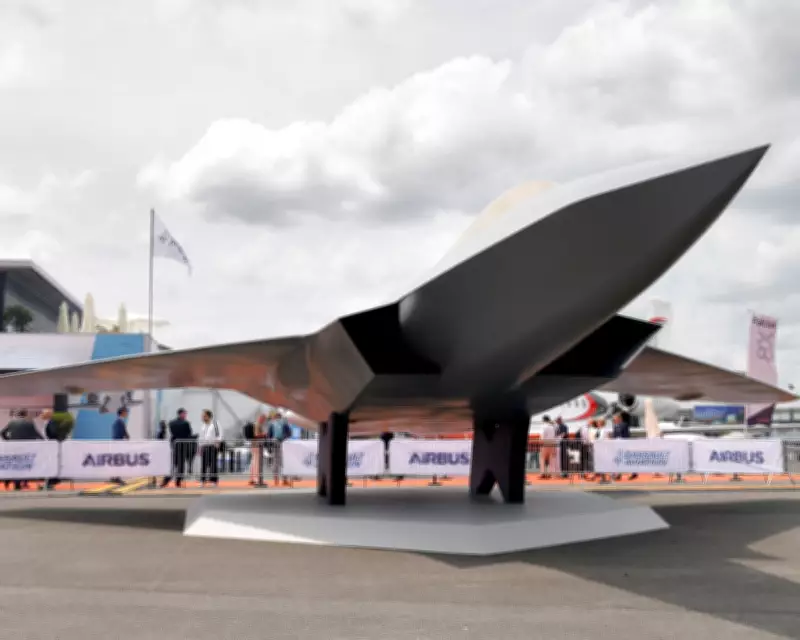
Airbus Proposes Split Solution for Europe's Faltering Fighter Jet Programme
Airbus has put forward a radical proposal to rescue Europe's struggling Future Combat Air System (FCAS) programme, suggesting a split development approach to overcome persistent delays and disagreements. The defence giant's plan involves separating the core platform from national-specific components, aiming to streamline progress and reduce friction among partner nations.
Background of the FCAS Programme
The FCAS initiative, a collaborative effort between France, Germany, and Spain, aims to develop a next-generation fighter jet and associated systems by 2040. However, the programme has been plagued by technical challenges, budget overruns, and political disputes over workshare and intellectual property rights. These issues have raised concerns about the project's viability and its ability to compete with rival systems like the UK's Tempest and the US's Next Generation Air Dominance programme.
Details of Airbus's Proposal
Under Airbus's proposed split solution, the core elements of the FCAS—such as the airframe, engines, and basic avionics—would be developed jointly by the partner countries. Meanwhile, national-specific components, including certain sensors, weapons integration, and software systems, would be handled separately by each nation. This approach is designed to allow for greater flexibility and faster development in areas where consensus is difficult to achieve.

Key aspects of the proposal include:
- Joint development of core platform technologies to ensure interoperability and cost-sharing.
- National autonomy in developing bespoke systems to meet specific defence needs.
- Enhanced collaboration through regular coordination meetings and shared testing facilities.
- A phased rollout plan, with initial prototypes focused on core components before integrating national additions.
Potential Benefits and Challenges
The split solution could offer several advantages, such as reducing bureaucratic bottlenecks and accelerating innovation in critical areas. By allowing nations to tailor certain aspects of the jet to their unique requirements, it may also increase political buy-in and long-term commitment to the programme. However, challenges remain, including the risk of fragmentation, increased costs due to parallel development tracks, and potential compatibility issues between core and national systems.
Industry analysts note that while the proposal is innovative, its success will depend on careful management and strong leadership from all parties involved. The European defence sector is watching closely, as the FCAS is seen as a litmus test for Europe's ability to collaborate on major military projects in an era of rising global tensions.
Broader Implications for European Defence
If adopted, Airbus's split solution could set a precedent for future multinational defence programmes in Europe. It highlights the growing need for flexible frameworks that balance collective security interests with national sovereignty. The outcome of this proposal may influence not only the FCAS but also other joint initiatives, such as the Main Ground Combat System and European drone projects, shaping the continent's defence landscape for decades to come.