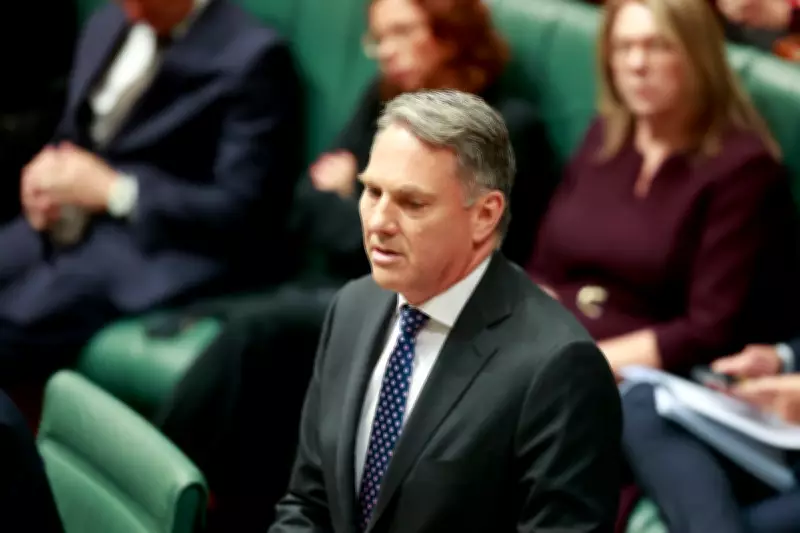
Australian Air Base Near Dubai Targeted in Iranian Drone Strike
Australia has confirmed that its strategic air base in the United Arab Emirates was directly targeted by Iranian drones over the weekend, marking a significant escalation in regional hostilities. Defence Minister Richard Marles stated that the Al Minhad facility, located approximately 30 kilometres south of Dubai, was struck on the first night of the conflict. He provided immediate reassurance that all Australian Defence Force personnel stationed at the base were "safe and accounted for" following the attack.
Historical Context and Current Deployment
Australia has maintained operations from Al Minhad Air Base since 2003, with the facility serving as a crucial logistical and operational hub for Middle Eastern missions. Currently, around 100 ADF members are deployed across several countries in the region, with the majority operating from within the UAE itself. This incident represents another dangerous episode for Australian forces in the Middle East, recalling a 2019 rocket attack on an Iraqi base that hosted over 300 Australian personnel participating in a joint training mission with New Zealand forces.
Political Stance and Regional Implications
Minister Marles reiterated Canberra's firm support for American and Israeli military actions against Iran, emphasizing Australia's commitment to preventing Iran from acquiring deployable nuclear weapons. "We've been very clear we support the action, having as a core aim denying Iran the ability to acquire a deployable nuclear weapon, which would obviously be a catastrophe for the world," Marles declared. However, he acknowledged considerable uncertainty regarding the conflict's duration, noting "It's very difficult to speculate on how long the conflict will last."

Wider Retaliatory Damage Across the UAE
Beyond the strike on Al Minhad, Iran's coordinated retaliatory attacks reportedly caused significant damage at multiple locations throughout Dubai. Key infrastructure targets included:
- Dubai International Airport, a critical global aviation hub
- The iconic Burj Al Arab hotel, a landmark symbol of the emirate
- Palm Jumeirah, the famous artificial island development
Additional regional impacts included attacks on two Amazon data centres in the UAE, energy facilities in Qatar and Saudi Arabia, and multiple strikes on shipping in the strategically vital Strait of Hormuz. These actions have triggered substantial increases in global oil and natural gas prices, affecting international markets.
Diplomatic Coordination and Citizen Safety
With approximately 115,000 Australian citizens currently located across the broader Middle East region, and about 11,000 typically transiting through daily under normal conditions, the federal government has activated emergency response protocols. Foreign Minister Penny Wong has engaged directly with UAE Deputy Prime Minister Sheikh Abdullah Bin Zayed Al Nahyan to seek assistance for stranded travellers facing severe air travel disruptions.
Minister Marles outlined the government's contingency planning: "We're working through contingencies... We have all the scenarios in mind and we are preparing as best we can for them. But I'd also make the point there's 115,000 Australians across the region." He identified airspace restrictions as the primary obstacle to evacuation efforts, noting that commercial flights would likely resume first when conditions permit.
Expanding Regional Conflict Dynamics
The attack on Al Minhad forms part of a broader pattern of Iranian retaliation across the Gulf region. In a concerning development, a suspected Iranian drone struck the US embassy in Riyadh early Tuesday, causing limited fire and minor damage according to Saudi Arabia's Defense Ministry. This followed a similar attack on the US embassy in Kuwait the previous day.
The intensity of Israeli and American counterstrikes, including the reported killing of Iranian Supreme Leader Ayatollah Ali Khamenei, combined with the absence of clear diplomatic off-ramps, suggests the potential for a prolonged and devastating regional conflict with far-reaching global consequences.