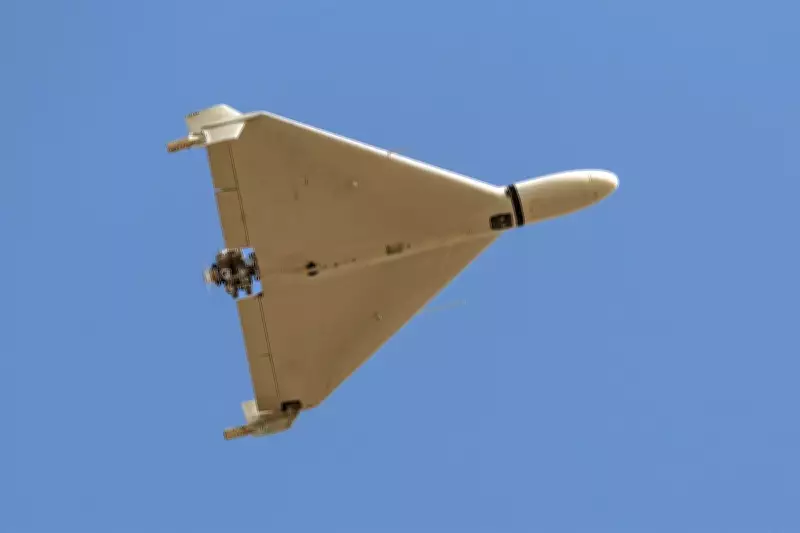
British military personnel have successfully intercepted and destroyed fourteen Iranian-manufactured 'kamikaze' drones that were launched against an allied coalition base in northern Iraq. The significant defensive action occurred overnight at the Erbil facility, where both British and American forces are currently stationed.
Largest Single-Night Interception Recorded
According to statements from the Ministry of Defence, this defensive engagement represents the highest number of drones eliminated in one evening since hostilities between the United States, Israel, and Iran commenced over three weeks ago. Defence Secretary John Healey provided detailed updates during Tuesday's Cabinet meeting, confirming that a specialised counter-drone team operating the Rapid Sentry air defence system was responsible for the successful interceptions.
A defence source emphasised the scale of the achievement, stating: "Where we have UK forces operating the Rapid Sentry system, they shot down 14 one-way attack drones just in one night last night. This represents hugely impressive action, and that is the largest number that they've shot down in a single night."

Regional Defence Operations Intensify
Specialist troops from the RAF Regiment utilised the United Kingdom's advanced Rapid Sentry air defence technology to defeat the unmanned aerial vehicles (UAVs). This incident follows reports from defence chiefs two weeks earlier indicating that several UAVs had targeted the camp previously, resulting in injuries to United States military personnel.
Mr Healey further informed ministers that British forces had provided defensive support for allies across multiple nations including Israel, Saudi Arabia, Kuwait, Bahrain, and Jordan throughout the overnight period. Since the conflict's initiation, UK pilots have accumulated nearly nine hundred flight hours dedicated to protecting British interests and allied nations in the region.
Enhanced Air Defence Capabilities Deployed
In a Tuesday operational update, the Ministry of Defence disclosed that additional British Army Stormer air defence systems equipped with state-of-the-art missiles have arrived in Cyprus. These reinforcements are intended to substantially strengthen regional air defence capabilities. Royal Air Force Typhoon and F-35 fighter jets continued their defensive missions overnight on Monday, conducting operations over Cyprus, Jordan, and Qatar.
The Ministry of Defence communicated via social media: "Force protection measures in the region continue to be at the highest levels - ensuring UK personnel are as safe as possible. We are also working closely in coordination with allies."
Economic Implications and Strategic Responses
Chancellor Rachel Reeves addressed the broader economic consequences of the Middle Eastern conflict on Tuesday, warning that millions of British households would receive no direct government assistance with escalating energy bills resulting from the war. Instead, the government plans to implement targeted support measures "to those who need it most," with specific details not expected for another month.
Reeves acknowledged that the ongoing conflict would create significant challenges for the United Kingdom's economy, and indicated plans to convene meetings with supermarket chains and banking institutions to discuss support mechanisms for customers struggling with increased living costs.
Maritime Security Considerations
Separate reports indicate that the United Kingdom is evaluating plans to deploy a Royal Navy vessel as part of an international coalition effort to locate and destroy mines in the strategically vital Strait of Hormuz. The British government is reportedly leading coordination efforts between nations including France and the United States to facilitate safe passage through this crucial oil transportation route, which has experienced blockages amid hostilities with Iran.
Potential operational plans may involve deploying a Royal Navy ship or leasing a commercial vessel equipped with autonomous uncrewed systems specifically designed for mine detection and elimination. Defence officials believe Iranian forces have deployed mines within the Strait of Hormuz, creating substantial maritime security concerns for international shipping.