Canada Develops Contingency Plan for Potential US Military Incursion
In a significant strategic shift, Canadian military officials have for the first time in over a century modelled a comprehensive response to a hypothetical invasion by the United States. This theoretical exercise, described as purely precautionary by senior defence sources, comes amid escalating diplomatic tensions between the long-standing allies and trading partners.
Theoretical Model Outlines Asymmetric Defence Strategy
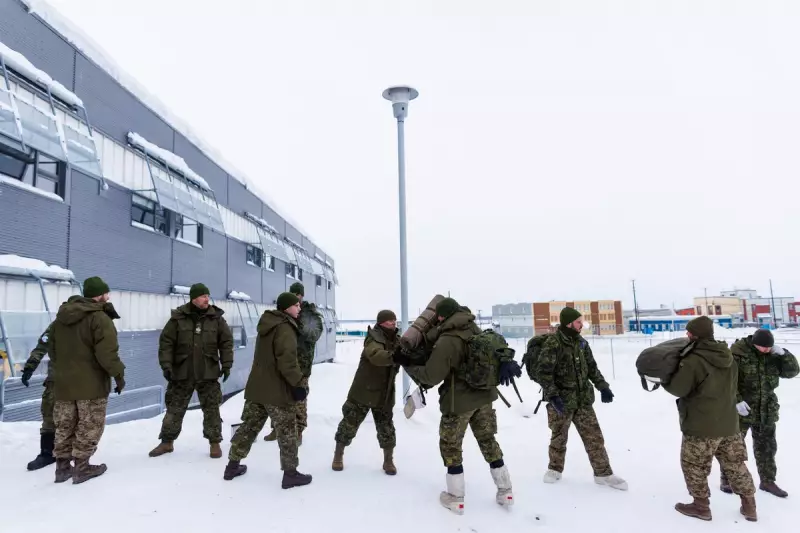
The detailed military model, reported by The Globe and Mail based on information from two senior Canadian officials, outlines a multi-pronged defence strategy that would employ unconventional warfare tactics. According to the planning documents, Canadian forces would utilise asymmetric approaches including drone warfare, sabotage operations, and coordinated ambushes against any potential invading force.
Military planners acknowledge that Canada lacks sufficient conventional military resources to repel a full-scale US attack, necessitating this innovative approach to homeland defence. One official revealed that the model draws inspiration from guerrilla warfare tactics historically employed by resistance movements, specifically referencing the Mujahideen fighters during the Soviet-Afghan conflict.

Diplomatic Tensions Prompt Unprecedented Planning
The development of this contingency plan reflects the deteriorating diplomatic relationship between Ottawa and Washington over the past year. Since President Donald Trump's inauguration in January 2025, the administration has repeatedly expressed territorial ambitions toward Canada, with the president describing the nation as "the 51st state" on multiple occasions.
Recent weeks have seen increased focus on Canada's Arctic regions, with Trump administration officials reportedly discussing the country's "vulnerability" in northern territories. This follows similar territorial claims regarding Greenland, a Danish territory that has prompted NATO allies including France and Germany to deploy military assets to the region.
"The better Canada can embrace this approach to homeland defence," commented University of Toronto political scientist Aisha Ahmad, "the less likely all of these horrible scenarios that nobody wants will ever come to pass."
International Support and Nuclear Deterrence Considerations
The Canadian military model anticipates that any US invasion would likely commence from southern border regions, with rapid advancement toward strategic assets. In response, planning documents suggest Ottawa would immediately request military assistance from European allies and other nuclear powers including France and the United Kingdom.
Retired Major-General David Fraser, who commanded Canadian forces in Afghanistan, emphasised the international implications: "You know if you come after Canada, you are going to have the world coming after you, even more than Greenland. People do care about what happens to Canada. You could actually see German ships and British planes in Canada to reinforce the country's sovereignty."
Military Cooperation Continues Despite Theoretical Planning
Despite the development of this invasion response model, defence officials stress that practical military cooperation between Canadian and American forces remains strong. This week, both nations participated in joint NORAD exercises in Greenland, demonstrating ongoing operational collaboration.
Retired lieutenant-general Mike Day, former commander of Canadian Special Forces, described the likelihood of an actual US invasion as "fanciful," echoing official statements that the planning exercise represents theoretical precaution rather than expectation of conflict.
The planning development coincides with Prime Minister Mark Carney's recent diplomatic initiatives, including strengthened ties with China and calls for a "new world order" that signals shifting global alliances. A summer poll revealed that most Canadians now view the United States as their country's greatest threat, reflecting significant public perception shifts alongside these military planning developments.