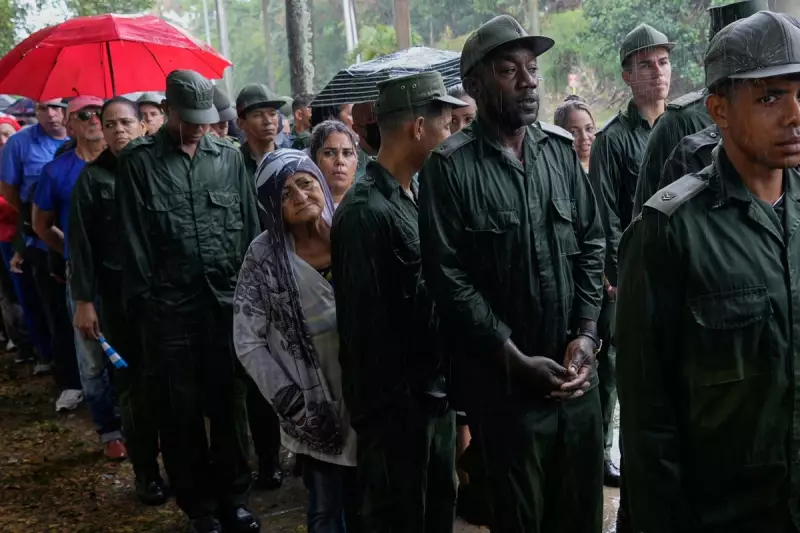
Cuba has conducted a solemn ceremony to repatriate the remains of 32 military officers killed during a controversial American military operation in Venezuela. The incident, which has escalated diplomatic tensions in the region, occurred during a raid targeting the residence of Venezuelan President Nicolás Maduro.
The Fatal Raid and Repatriation
The soldiers were part of President Maduro's security detail when the United States launched a strike on his residence on 3 January 2026. The objective of the operation was to seize the Venezuelan leader and bring him to the US to face drug trafficking charges. The attack resulted in the deaths of the Cuban personnel, whose bodies were returned to Havana during the week of 9-15 January 2026.
This repatriation marks a significant moment of national mourning in Cuba and underscores the country's deep military involvement in supporting the Maduro government. The fallen officers were honoured in a formal ceremony, highlighting the human cost of the ongoing political and economic crisis in Venezuela.

Venezuela's New Economic Direction
In a parallel development, Venezuela's acting President, Delcy Rodríguez, used her first state of the union address to propose a major shift in economic policy. Following the Trump administration's pledge to seize control of Venezuelan crude oil sales, Rodríguez advocated for opening the crucial state-run oil industry to increased foreign investment.
This move is seen as a potential strategy to revitalise the country's crippled economy and circumvent US sanctions. The oil sector, once the engine of Venezuela's wealth, has suffered from years of underinvestment and mismanagement, and this new proposal could signal a pragmatic approach to attracting much-needed capital and expertise.
Regional Repercussions and Analysis
The events of early January 2026 illustrate the continuing volatility in Latin American geopolitics. The direct US military action against a sitting head of state and the resulting casualties among Cuban forces represent a dangerous escalation. Analysts suggest this could harden positions and lead to further regional instability.
Meanwhile, Rodríguez's call for foreign investment in oil, if enacted, could reshape Venezuela's economic relationships. However, significant political and security challenges remain. The week's events, curated in a photo gallery by Guatemala City-based photojournalist Moises Castillo, capture a pivotal moment for both nations.
The aftermath leaves pressing questions about the future of US interventionism, the sustainability of Cuba's overseas military commitments, and the potential for economic recovery in a Venezuela still grappling with leadership and legitimacy crises.