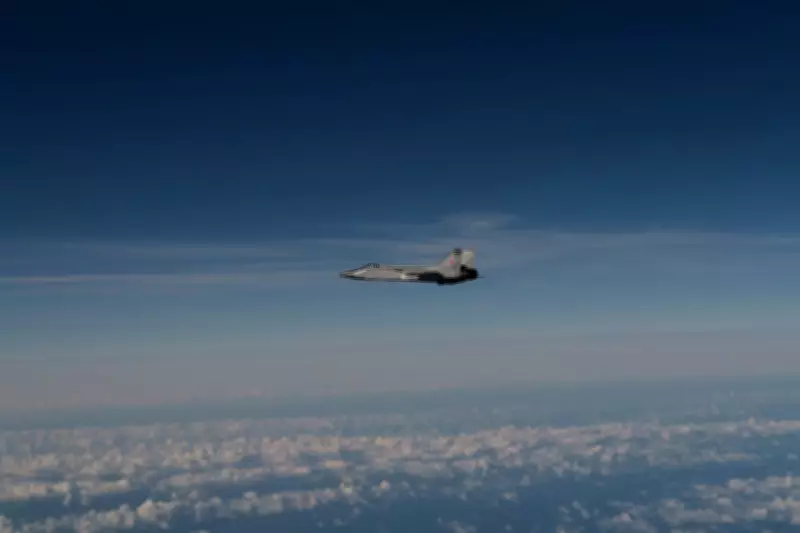
Estonia Reports 'Potentially Dangerous Air Activity' Overnight Amid Drone Threat
Estonia's defence forces have detected what they described as 'potentially dangerous air activity' in and around its airspace overnight, leading to the issuance of a preventive threat notification. This alert has since been lifted, but the incident highlights ongoing regional tensions linked to the Ukraine-Russia conflict.
Global Energy Prices Prompt Calls for Ukraine to Scale Back Attacks
The air activity in Estonia occurred as Ukraine's allies, including the United States, urged Kyiv to scale back long-range attacks on Russia's oil and gas sector. This recommendation is driven by concerns over rising global energy prices, which could have widespread economic impacts. Sources indicate that the US relayed this message to Kyiv following signals from Moscow, which aims to protect its critical oil and gas infrastructure from further damage.
Zelensky's Response and Ceasefire Openness
Ukrainian President Volodymyr Zelensky responded to these developments by stating that Ukraine is prepared to reciprocate if Russia ceases attacks on its energy system. He also expressed openness to an Easter ceasefire, suggesting a potential de-escalation in the conflict. Zelensky's comments come amid ongoing diplomatic efforts to manage the war's broader implications.

Zelensky Offers Advice on Strait of Hormuz Blockade
In a related move, Zelensky offered advice on resolving the Strait of Hormuz blockade, drawing on Ukraine's experience with the Black Sea corridor. This highlights Ukraine's growing role in addressing global security challenges beyond its borders, leveraging its firsthand knowledge of maritime and energy supply issues.
Broader Implications for Regional Security
The incident in Estonia underscores the spillover effects of the Ukraine war, with drone threats and airspace violations becoming more frequent in neighbouring countries. It raises questions about the stability of air defence systems in the region and the need for enhanced coordination among NATO allies to prevent escalation.
As tensions persist, the interplay between military actions, energy markets, and diplomatic negotiations continues to shape the conflict's trajectory, with potential ramifications for European security and global economic stability.