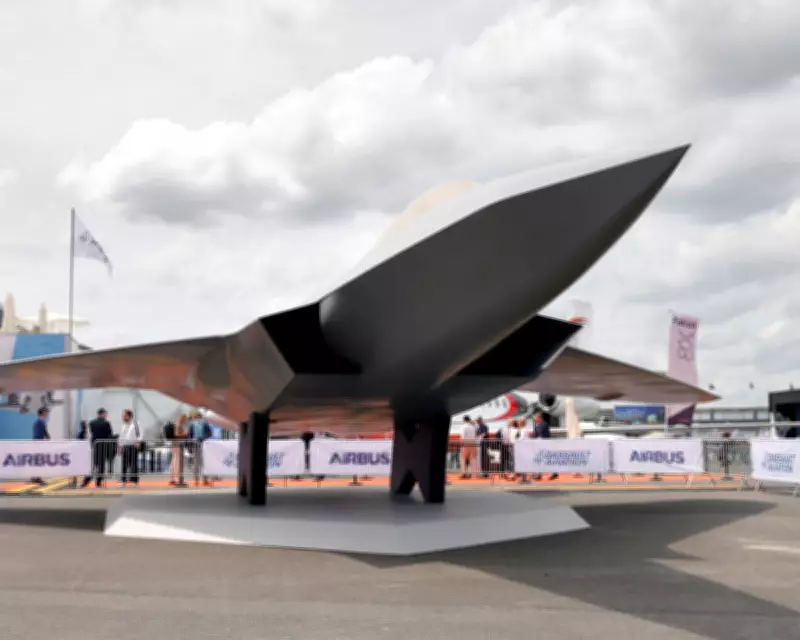
Europe's Ambitious Fighter Jet Project Teeters on the Edge of Failure
The highly anticipated European next-generation fighter jet programme, a cornerstone of the continent's defence strategy, is facing imminent collapse. This critical initiative, spearheaded by France and Germany with major industry players Airbus and Dassault Aviation, has been plagued by escalating disputes that threaten to derail years of planning and investment.
Franco-German Rift Deepens Over Key Issues
At the heart of the crisis are profound disagreements between the two leading nations. France and Germany have clashed repeatedly over technology sharing protocols, with each side reluctant to cede control over sensitive intellectual property. Additionally, disputes over industrial leadership and workshare allocations have created an atmosphere of mistrust, stalling progress on the advanced combat aircraft intended to rival global competitors.
The partnership, once hailed as a symbol of European unity in defence, now appears fractured. Industry insiders report that negotiations have reached a stalemate, with neither country willing to compromise on core demands. This deadlock has raised serious concerns about the feasibility of delivering a operational fighter jet within the projected timelines.

Airbus and Dassault at Loggerheads
Key industrial players Airbus, representing German interests, and France's Dassault Aviation are embroiled in the conflict. Reports indicate that disagreements extend to fundamental design philosophies, export controls, and future upgrade paths for the aircraft. The lack of consensus on these critical aspects has effectively halted collaborative development efforts.
Experts warn that the collapse of this programme could have far-reaching consequences for European defence autonomy. Without a unified next-generation fighter capability, EU member states might become increasingly reliant on external suppliers, potentially undermining strategic sovereignty.
Broader Implications for European Defence Cooperation
This crisis extends beyond the immediate project, casting a shadow over broader European defence integration efforts. The failure to reconcile differences on such a high-profile initiative could set a damaging precedent for future multinational arms programmes. It also highlights the ongoing challenges in aligning national interests within the European defence landscape.
Observers note that the timing is particularly problematic, given rising global tensions and the urgent need for modernised air forces across the continent. The potential dissolution of the fighter jet project represents a significant setback for Europe's ambitions to assert itself as a independent defence power on the world stage.