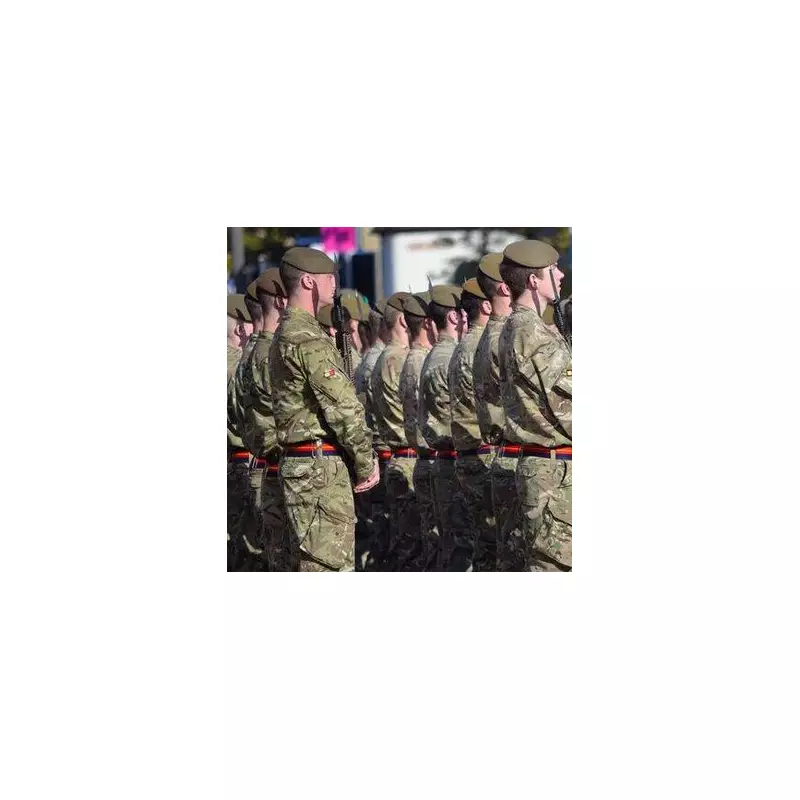
The spectre of national conscription, a subject of fierce debate for generations, has been thrust back into the spotlight. With ongoing geopolitical strains and a new military initiative for young Britons launching, the question of who might be called to serve—and who might be deemed too vital to leave their post—has never felt more pertinent.
A New Military Programme and Echoes of History
Starting in March, a novel gap year scheme will open for Britons under the age of 25. This programme aims to boost army recruitment and equip young civilians with critical skills against a backdrop of simmering threats from Russia. Participants will get a taste of military life, with no obligation to join full-time, though those who do stay on will receive further training for operational roles.
This modern scheme arrives as discussions about wider, compulsory service resurface. Looking back provides a clear blueprint: during the Second World War, the British government excused key workers whose skills were indispensable for maintaining the nation's infrastructure and morale.

Which Professions Were Historically Protected?
Under the National Service (Armed Forces) Act of 1939, which initially conscripted all men aged 18 to 41, specific exemptions were granted. Those in baking, farming, medicine, and engineering were often spared from the front lines. Doctors, nurses, and engineers were crucial for public health and vital war production, while bakers and farmers ensured the population and troops were fed.
The call-up evolved dramatically as the conflict progressed. Conscription began in 1939 for single men aged 20-22 under the Military Training Act, with around 240,000 registering. Immediately upon the declaration of war in September 1939, the net was widened to all males between 18 and 41. By late 1941, the scope had expanded again to include childless widows and women aged 20-30, and men up to age 51. Those up to 60 were required for some form of service.
Modern-Day Warnings and the Deterrent Factor
The conversation about contemporary conscription is being shaped by stark warnings from figures with military expertise. Afghanistan veteran and Tunbridge Wells MP Mike Martin has publicly cautioned that a general war with Russia would necessitate conscripting the population.
He stressed, however, that military preparedness serves as a vital deterrent. "Being prepared generates deterrence, which decreases the likelihood [of war]," Martin told the Express. "The whole point about building the military up is that it decreases the likelihood of this happening."
While the exact shape of any future draft remains uncertain, the historical principle is clear: the state must balance the needs of the military with the imperative of keeping the country functioning. Professions critical to food supply, healthcare, energy, and transport could once again find their holders on a protected list, should the unthinkable happen.