

Top US General Defends Military Target Selection Process
Chairman of the Joint Chiefs of Staff General Dan Caine has firmly stated that the United States military "always strike[s] lawful targets" following careful review processes. This declaration comes directly after President Donald Trump publicly threatened to attack Iran's critical water desalination infrastructure.
Pentagon Briefing Addresses Legal Concerns
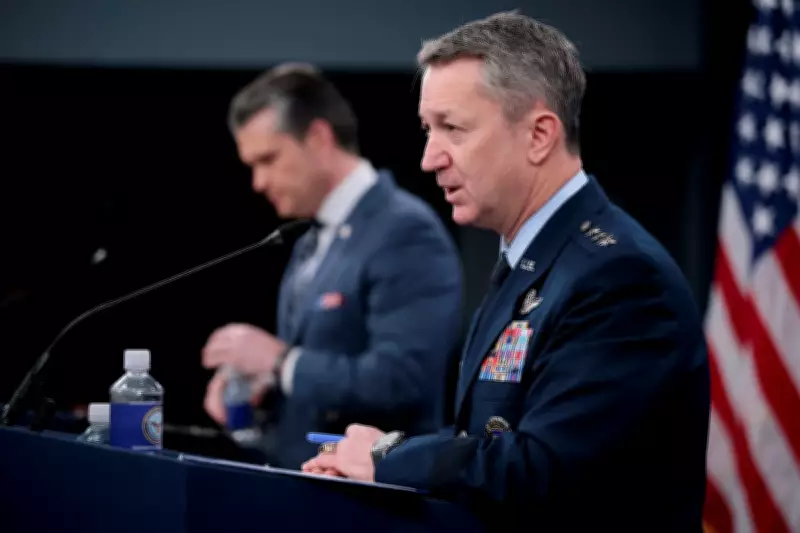
During a rare Pentagon briefing on Tuesday, General Caine faced persistent questioning from reporters regarding the legality of potentially bombing Iran's water plants. These facilities provide essential drinking water to approximately 90 million Iranian residents. The general declined to offer specific legal justification for such actions but emphasized the military's comprehensive review procedures.
"We have numerous processes and systems to carefully consider the whole range of considerations, from civilian risk to legal considerations," Caine explained. He described how the Pentagon evaluates "any target" through the same rigorous process used for Prompt Global Strike missions—a Defense Department term referring to missile or bombing attacks that don't rely on forward-deployed forces.

Trump's Extraordinary Threat Against Civilian Infrastructure
The general's comments followed President Trump's inflammatory social media post on Monday, where he warned that American forces might attack Tehran's civilian infrastructure if Iran didn't reach a deal with his administration. Trump specifically threatened to target electric generating plants, oil wells, Kharg Island, and "possibly all desalinization plants."
Trump justified this threat as "retribution for our many soldiers, and others, that Iran has butchered and killed" over what he called the old regime's 47-year "Reign of Terror." He demanded Iran immediately open the strategically vital Strait of Hormuz to commercial shipping.
White House Downplays Legal Concerns
White House Press Secretary Karoline Leavitt had previously dismissed questions about the legality of targeting Iran's fresh water supply, claiming the U.S. would "always act within the confines of the law." She asserted Trump would "move forward unabated" and expected the Iranian regime to negotiate a deal.
Legal experts note that attacking civilian water infrastructure would likely violate the Fourth Geneva Convention, which prohibits targeting infrastructure essential for population survival. American criminal law also prohibits war crimes, defined as grave breaches of international conventions to which the United States is party, with potential penalties including life imprisonment or death if victims are killed.
Military Professionalism Versus Political Rhetoric
General Caine carefully distinguished between military procedures and political statements during his briefing. He praised the U.S. joint force—comprising the Army, Navy, Air and Space Forces, and Marine Corps—as "the most professional force in the world."
"With any target and as targets come before us, we run them through the same process that we always do and always strike lawful targets," Caine reiterated, without confirming whether Iran's water infrastructure would meet the military's legal criteria for targeting.
The general's measured response highlights the tension between military protocol and presidential rhetoric during escalating tensions with Iran, as the administration continues its pressure campaign against Tehran's government.






