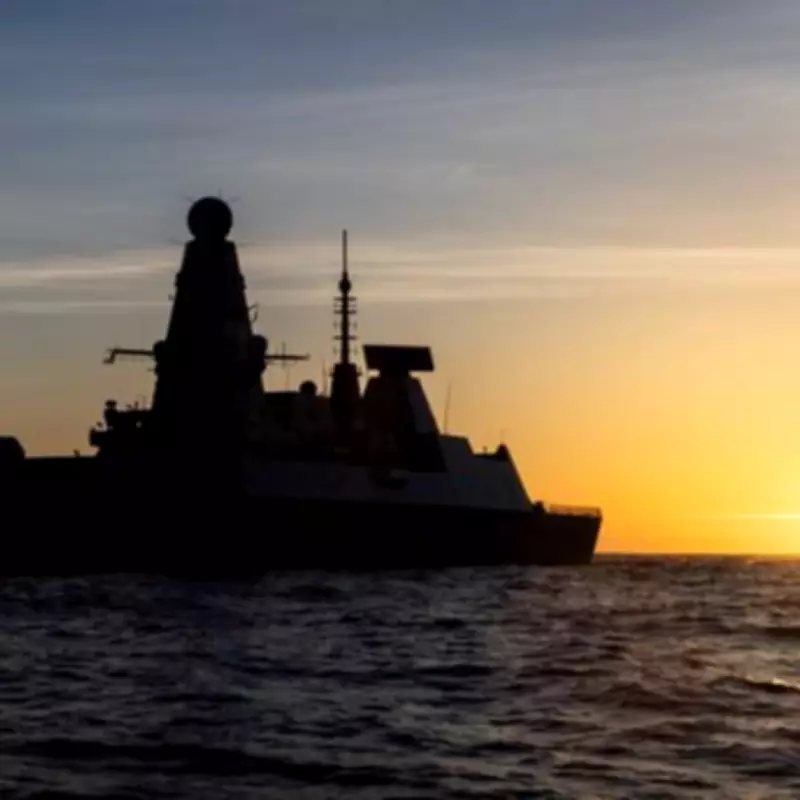
One of Britain's most senior retired military commanders has issued a stark warning that the United Kingdom must "act today" to prepare for potential conflict with Russia, declaring the nation's armed forces have been dangerously "hollowed out" by years of cuts.
Urgent Call for £10 Billion Annual Defence Increase
Retired General Sir Richard Barrons has called for an immediate and sustained annual increase of £10 billion in defence funding to properly secure Britain against growing international threats. He described this investment as the "bargain of the century" compared to the catastrophic costs of actual warfare.
"The war in Iran and Russia's aggression in Europe must be a wake up call for the entire country," Sir Richard wrote in a newspaper article. "We must all unite in a national effort to beef up our defences while there is still time, otherwise it could be too late."

Russia's Hostile Activities and European Threats
The retired general highlighted Russia's multifaceted campaign against Western nations, stating: "Russia thinks it is already 'at war' with Europe. They hack us, try to meddle in our politics and even hire 'organised crime' to sabotage our businesses."
He warned that the missiles currently "raining down" on Ukrainian cities could one day be directed toward British targets, emphasizing that while this threat might not be "imminent," the nation needs to be prepared "if the day ever comes."
Political Failure and Strategic Delays
Sir Richard criticized politicians who have neglected military funding because they "see no votes in it," urging MPs to "make the hard choices to keep us safe." As a contributor to last year's government-commissioned Strategic Defence Review, he expressed frustration that its 62 recommendations have not been enacted through a proper defence investment plan.
Speaking to BBC Four's The World At One, he revealed: "I had expected it to be enacted through a defence investment plan that took the 62 recommendations and turned them into a 10-year programme of funded activity, but we are still waiting for that plan to be issued."
Changing US Support and NATO Concerns
The general expressed particular concern about shifting American support, noting: "The US cavalry is not going to come now in the way we've become accustomed to since 1949." This makes the urgency to restore European defences even greater, especially if the US exit becomes "some sort of cliff edge" rather than a managed transition.
He added: "What I think has become more difficult on the back of Greenland and the difficult rhetoric around the war in Iran is the degree of trust between the US and European NATO, and I think that is very dangerous."
Government Pressure and Parliamentary Criticism
Pressure has mounted on the government to publish its long-delayed defence investment plan as global tensions continue to simmer. Defence Secretary John Healey last month denied Treasury obstruction of the plan's publication and rejected suggestions of requests to scale it back.
Labour MP and Commons Defence Committee chairman Tan Dhesi warned that the plan's absence risks undermining Britain's standing within NATO. "The Defence Committee has repeatedly raised concerns around the UK's lack of mass and capabilities, and the urgent need for investment in UK defence," he stated.
Mr Dhesi highlighted Britain's "inability to deploy a single ship swiftly" after the outbreak of war in the Middle East, which left many "embarrassed." He emphasized: "The lack of a public plan now runs the risk of undermining the UK's ability to play a full and leading role in NATO."
Defence Spending Patterns and Political Promises
Real-terms defence spending fluctuated significantly under successive Conservative governments between 2010 and 2024, falling by 22% by 2016/17 before gradually recovering to 2010 levels. The current Labour government has pledged to spend 2.5% of GDP on core defence by 2027, rising to 3% in the next parliament.
Defence minister Luke Pollard accused the previous Conservative administration of having "hollowed out" the armed forces and "leaving our brave servicemen and women exposed." He added: "Prime Minister Keir Starmer is delivering the biggest sustained uplift in defence spending since the end of the Cold War."

Recent Russian Naval Activity
Mr Healey revealed on Thursday that British warships and aircraft were deployed to monitor and deter "malign" activity by three Russian vessels—an attack submarine and two spy submarines—operating off the UK's northern coast for approximately one month before they retreated.
The Defence Secretary stated that Vladimir Putin had sought to capitalise on the world being "distracted" by the Iran war and that Russia poses "the primary threat to UK security." This incident underscores the immediate nature of the threats Sir Richard Barrons has highlighted in his urgent warnings.
Sir Richard concluded that transforming Britain's defence capabilities is "not a question of affordability" but rather requires "hard choices to do without something else to put more money into defence, because it's vital." With the economic position forcing the government to consider transformation over longer than ten years, he warned that "you've probably got three to five years" to address these critical security gaps.