Germany has announced a massive €35 billion investment in its military space capabilities, a strategic move designed to counter growing orbital threats from Russia and China. This ambitious spending plan, equivalent to approximately £30 billion, comes amid heightened security fears fuelled by escalating tensions between Germany and Poland, as Russian aggression continues to destabilise the region.
Major Investment in Space Defence
According to Major General Michael Traut, the head of the German Space Command, the funding will be channelled into a comprehensive array of advanced space technologies. The centrepiece of this initiative is the construction of an encrypted military constellation comprising over 100 satellites, known as SATCOM Stage 4. This system is modelled on the framework established by the US Space Development Agency, aiming to enhance Germany's autonomous defence capabilities in space.
Key Components of the Plan
The €35 billion investment will support several critical areas of space defence, including:

- Intelligence-gathering satellites for enhanced surveillance and reconnaissance.
- Advanced sensors to monitor potential threats in orbit.
- Spaceplanes for versatile missions and rapid deployment.
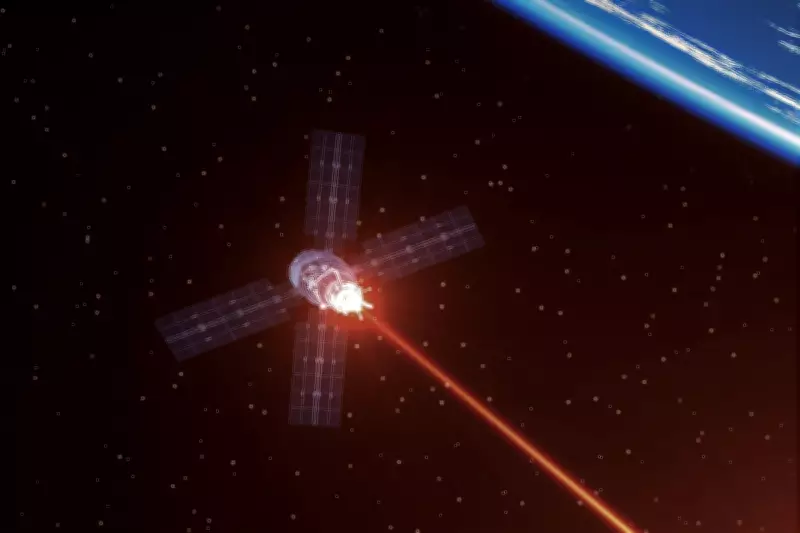
- Offensive lasers and other systems designed to disrupt adversary spacecraft.
- Equipment capable of targeting ground-based infrastructure from space.
Major General Traut emphasised that Germany's approach will prioritise non-kinetic options to avoid generating dangerous space debris. This includes the use of jamming technologies, lasers for disabling enemy systems, and inspector satellites for monitoring and neutralising threats without physical destruction.
Strategic Implications and Regional Tensions
The announcement of this space defence plan underscores Germany's commitment to bolstering its national security in the face of increasing geopolitical challenges. With Russia's aggressive posturing and China's expanding space capabilities, the need for robust orbital defence has become more pressing. The tensions between Germany and Poland further highlight the fragile security landscape in Europe, making this investment a timely and crucial step.
By developing a sophisticated satellite constellation and leveraging cutting-edge technologies like lasers and spaceplanes, Germany aims to establish a formidable deterrent against potential adversaries. This move not only enhances its own defence but also contributes to the broader security architecture of NATO and its allies.
As the global competition for space dominance intensifies, Germany's €35 billion plan represents a significant escalation in its military preparedness. The focus on non-destructive methods reflects a careful balance between assertive defence and responsible stewardship of the space environment, setting a precedent for future developments in military space strategy.