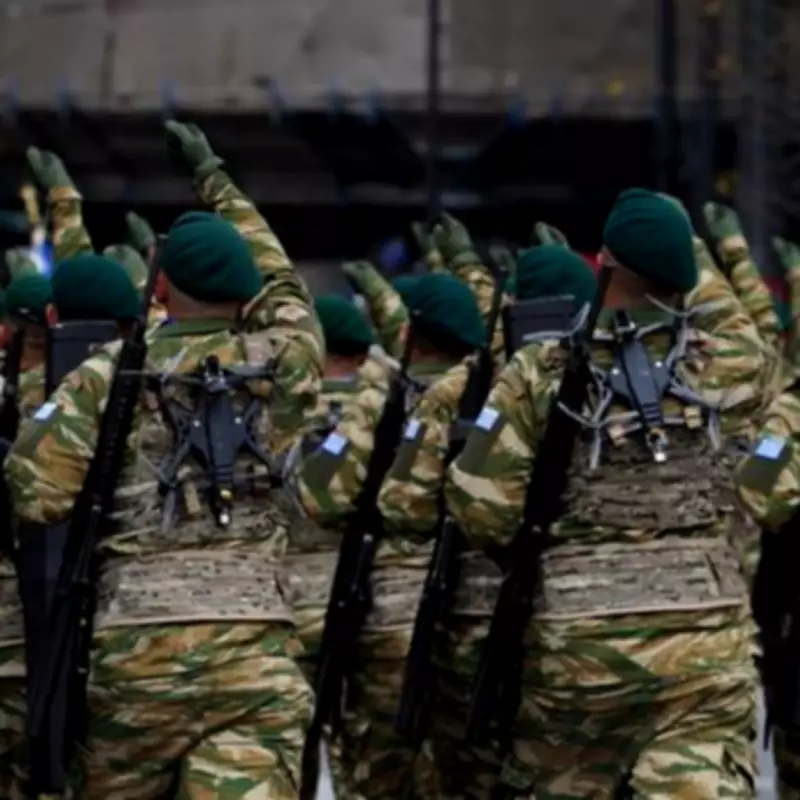
Greece on High Alert as Iran Threatens NATO Bases with Missile Strikes
Greece is actively preparing its defences against potential Iranian attacks, as the escalating Middle Eastern conflict threatens to spill over into European territory. The Greek government has conducted a significant military exercise, described as a "routine" preventative drill, in response to growing uncertainties in the region.
Military Drills Simulate Drone Attacks Near Athens
In a recent operation, a coastguard helicopter responded to a simulated drone strike on an oil tanker in the Bay of Elefsina, located just 15 kilometres from Athens. This drill mirrors actual attacks Iran has executed on nations such as the United Arab Emirates and Qatar, highlighting the tangible risks Greece faces.
Greek Merchant Marine Minister emphasised that these exercises are essential precautionary measures during these volatile times. The alert was notably raised by the United States, with Defense advisor Douglas Macgregor posting on social media: "BREAKING: Greece preparing for Iranian attack."

Strategic NATO Bases at Risk in Greece and Cyprus
Greece presents a tempting target for Iran due to its substantial U.S. military presence. Approximately 400–415 active-duty U.S. military personnel are permanently stationed in the country, primarily at a base in Crete. During large-scale exercises, this number can surge to around 2,000 personnel, with current tensions prompting an increase in U.S. forces in the area.
The UK, while lacking military bases in Greece, maintains two sovereign bases in Cyprus—RAF Akrotiri and Dhekelia Station—housing around 3,500 military personnel and 7,000 civilian support staff. Cyprus has already been targeted by Iran, with a drone striking RAF Akrotiri in early March, causing minimal damage but underscoring the persistent threat.
Crete's Souda Bay: A Critical Military Hub
Crete hosts a major naval base at Souda Bay, near the capital Chania, which serves as a strategic location for U.S. and allied operations between Europe, the Middle East, and North Africa. This base supports around 1,000 individuals, including military personnel and civilians, and is alarmingly close to Chania International Airport—less than 3 kilometres away—which operates direct flights from the UK via airlines like Ryanair, British Airways, and EasyJet.
Recently, the USS Gerald R. Ford, the world's largest aircraft carrier, docked at Souda Bay to resupply, highlighting the base's importance amid the U.S.-Israeli conflict with Iran.
Iran's Missile and Drone Capabilities Pose Direct Threat
Iran possesses a formidable arsenal that could potentially reach European targets. Its long-range missiles, such as the Khorramshahr 4, have an estimated range of 1,200 to 1,900 miles, placing Greece—approximately 1,500 kilometres from Iran—within strike zone. Iran has previously attempted to target the joint US-UK base in Diego Garcia, demonstrating its willingness to attack NATO assets.
Additionally, Iran and its proxies, including Hezbollah in Lebanon, deploy thousands of kamikaze drones and cruise missiles. Hezbollah's Shahed drones can travel up to 1,500 kilometres, potentially reaching Greek territory. Other groups like the Iraqi Popular Mobilisation Forces and Houthis in Yemen also possess advanced missile and drone capabilities, though Greece's distance from Yemen—over 2,000 miles—somewhat mitigates this threat.
European Defences and Tourism Implications
In response, Western forces have bolstered defences in the Mediterranean, with the British warship HMS Dragon joining an anti-missile fleet to protect European interests. NATO's rapid deployable corps, including Greek forces based in Thessaloniki, stand ready for deployment.
The threat extends beyond military concerns, impacting tourism. Greece is a top destination for British tourists, with 3.8 million Brits visiting in 2024. The proximity of military bases to tourist hotspots raises safety questions, though the Foreign Office has yet to issue specific advice for UK citizens in Greece.
As tensions mount, Greece's preparations reflect a broader European vigilance against Iranian aggression, with thousands of military personnel and civilians in the crosshairs of a potentially widening conflict.