

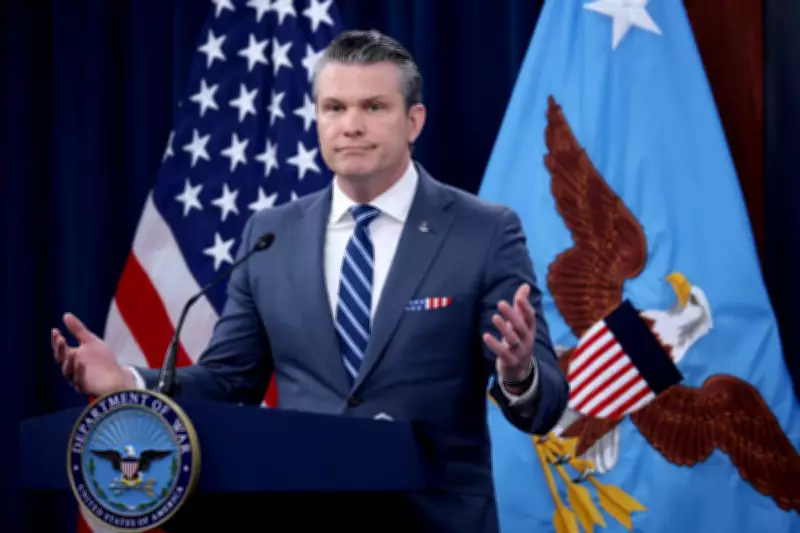
In a significant policy reversal, US Defense Secretary Pete Hegseth has officially terminated the mandatory annual flu vaccination requirement for all American military personnel. The directive, announced on Tuesday 21 April 2026, is portrayed by Hegseth as a crucial step to "restore freedom and strength to our joint force" and uphold what he terms "simple medical autonomy."
Hegseth's Directive on Flu Vaccines
Secretary Hegseth described the new policy as an effort to dismantle what he labelled an "absurd" flu vaccine mandate, which had been in place for years. He emphasized that this move is designed to empower service members, whom he referred to as "brave warriors," by granting them greater control over their personal healthcare decisions. The announcement was made from Washington, D.C., with Hegseth framing it as a direct response to the broader healthcare policies implemented during the Biden administration, particularly those related to Covid-19.
Background and Rationale
The decision comes amid ongoing debates over medical mandates in the United States, especially within governmental and military institutions. Hegseth argued that the previous flu vaccine requirement was overly restrictive and undermined the autonomy of military personnel. By eliminating this mandate, he aims to foster a culture of trust and individual responsibility within the armed forces, aligning with his vision of a more resilient and self-determined military force.

Implications for Service Members
Under the new policy, American service members will no longer face compulsory flu vaccinations as part of their annual medical protocols. This change is expected to affect thousands of personnel across all branches of the military, potentially altering long-standing health and safety practices. While the Defense Department has not released detailed statistics on vaccination rates, the shift marks a notable departure from previous efforts to mitigate seasonal influenza outbreaks within military communities.
Critics of the policy warn that removing the mandate could increase the risk of flu transmission in close-quarters military environments, potentially impacting operational readiness. However, Hegseth and his supporters contend that the move respects personal freedoms and reduces bureaucratic overreach, reflecting a broader trend toward deregulation in military healthcare policies.
The announcement has sparked mixed reactions, with some praising it as a victory for individual rights and others expressing concern over public health implications. As the policy takes effect, its long-term effects on military health and morale will be closely monitored by both proponents and opponents of the change.






