

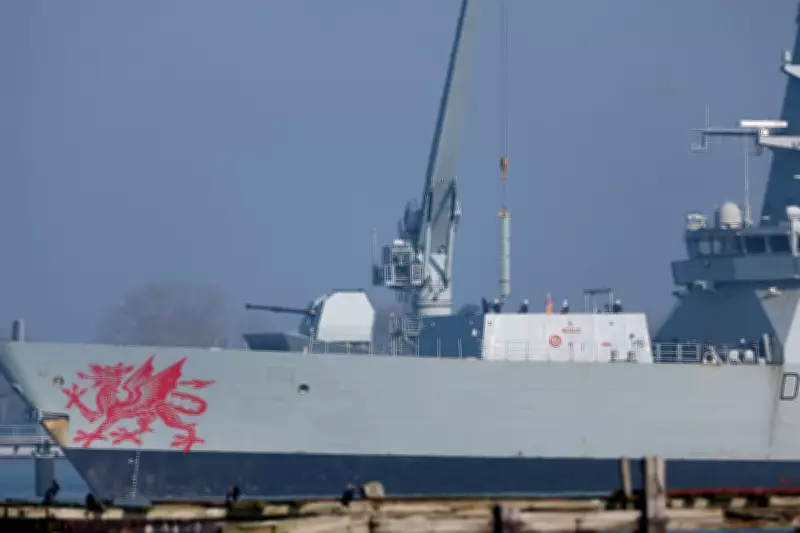
The deployment of HMS Dragon to the eastern Mediterranean has been significantly delayed, with the warship still docked in Portsmouth as of March 2026. This postponement follows a drone strike on a British military base in Cyprus on March 1, which has heightened security concerns and prompted a reassessment of operational priorities.
Contract Disputes and Maintenance Delays
The delay is partly attributed to financially-driven contract changes with contractor Serco, which initially restricted weekend maintenance work on HMS Dragon. This restriction required direct ministerial intervention to overturn, highlighting bureaucratic hurdles in military logistics. The incident has sparked frustration within the Ministry of Defence, as it underscores ongoing challenges in maintaining fleet readiness amid budget constraints.
Questions Over Royal Navy Readiness
Experts are raising serious questions about the Royal Navy's overall readiness, funding levels, and strategic resource allocation. Some analysts suggest that a heightened focus on countering Russian threats in Europe has led to a reduced naval presence in the Middle East, potentially compromising response capabilities in volatile regions like the eastern Mediterranean.

While HMS Dragon remains grounded, the UK is simultaneously preparing the aircraft carrier HMS Prince of Wales for potential deployment to the Middle East. This move aligns with other European nations, which are also dispatching warships to the region in response to escalating tensions, particularly following recent conflicts involving Iran.
Political Reactions and International Commentary
Former US President Donald Trump commented on the situation, suggesting that the United States no longer requires British military support, a statement that has stirred diplomatic discussions. Meanwhile, the Ministry of Defence has confirmed that reinforcements are being sent to the Eastern Mediterranean, though specifics on timing and scale remain undisclosed.
The delayed deployment of HMS Dragon serves as a stark reminder of the complex interplay between military strategy, contractor management, and geopolitical pressures. As the Royal Navy navigates these challenges, the incident prompts broader reflections on how the UK balances its defence commitments across multiple global theatres.






