Iran Closes Strait of Hormuz Amid Escalating Middle East Conflict
Iran has closed the strategic Strait of Hormuz, a critical global oil chokepoint, in response to Israeli military actions in Lebanon. This dramatic move comes as a fragile US-brokered ceasefire between the United States and Iran appears to be crumbling, with Israel launching its most significant assault on Hezbollah forces since the current conflict began.
Starmer's Diplomatic Mission Amidst Crisis
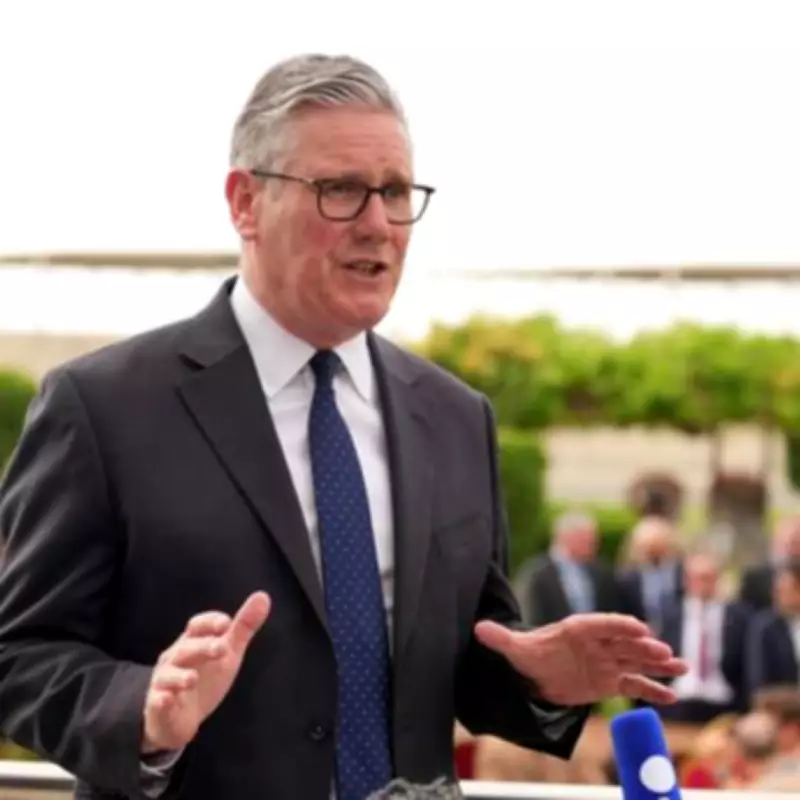
British Prime Minister Sir Keir Starmer arrived in Saudi Arabia for urgent talks with Gulf allies, acknowledging there is "work to do" to secure the ceasefire. Speaking at the Taif air base, Starmer expressed a "sense of real relief" at the temporary peace but emphasized the need for lasting stability and the reopening of the Strait of Hormuz.
"What people in the United Kingdom want to know is that this needs to be permanent," Starmer stated. "It's our job to work with other countries in the region, not only on the cessation of hostilities, but also on opening the Strait of Hormuz."

Israeli Offensive Threatens Fragile Peace
The Israeli military executed coordinated strikes on more than 100 sites across Beirut, the Beqaa Valley, and southern Lebanon within a ten-minute period. Lebanese authorities report at least 89 fatalities in Beirut alone, with total casualties from Israeli attacks reaching 1,530 killed and 4,812 injured since hostilities escalated.
Israeli Prime Minister Benjamin Netanyahu has asserted that the ceasefire does not cover Israel's operations in Lebanon, creating direct conflict with peace broker Pakistan's claim that the truce applies universally. US Vice President JD Vance described the agreement as "fragile," a characterization that now seems prophetic.
International Reactions and Diplomatic Strains
The leaders of nine nations including the UK, France, Germany, and Canada, alongside European Union officials, issued a joint statement welcoming the ceasefire while urging rapid progress toward a negotiated settlement. "This will be crucial to protect the civilian population of Iran and ensure security in the region," their statement read. "It can avert a severe global energy crisis."
Starmer's refusal to commit British forces to the conflict has strained his relationship with US President Donald Trump, who has repeatedly criticized the British leader's stance. When asked if their relationship was "in tatters," Starmer defended his position: "I've acted as you would expect of a British Prime Minister, which is by being absolutely focused on what is our national interest."
Historical Context and Future Implications
The current crisis traces back to March 2 when Hezbollah, aligned with Tehran, launched attacks on Israel in retaliation for the killing of Iran's Supreme Leader Ayatollah Ali Khamenei on February 28. This followed years of tension stemming from Israel's war on Gaza that began in October 2023.
Sources within Iran indicate Tehran may withdraw from the ceasefire entirely if Israeli attacks on Lebanon continue. One source told TRT World: "Iran will withdraw from the agreement if violations of the ceasefire by Israel continue through attacks on Lebanon."
The closure of the Strait of Hormuz represents a significant escalation with potential global economic consequences, given that approximately one-fifth of the world's oil passes through this narrow waterway. As diplomatic efforts continue, the region remains on a knife-edge with the fragile peace agreement hanging by a thread.