

Iran Escalates Gulf Conflict, Defying Trump's Surrender Demands
The Gulf war has intensified dramatically as Iran defiantly rejects US President Donald Trump's calls for surrender, launching a series of missile strikes against Gulf States and Israel. Tehran's military actions have targeted critical civilian infrastructure, including a major oil refinery and desalination plant in Kuwait, as the regime digs in against American demands for capitulation.
Critical Infrastructure Under Fire in Kuwait
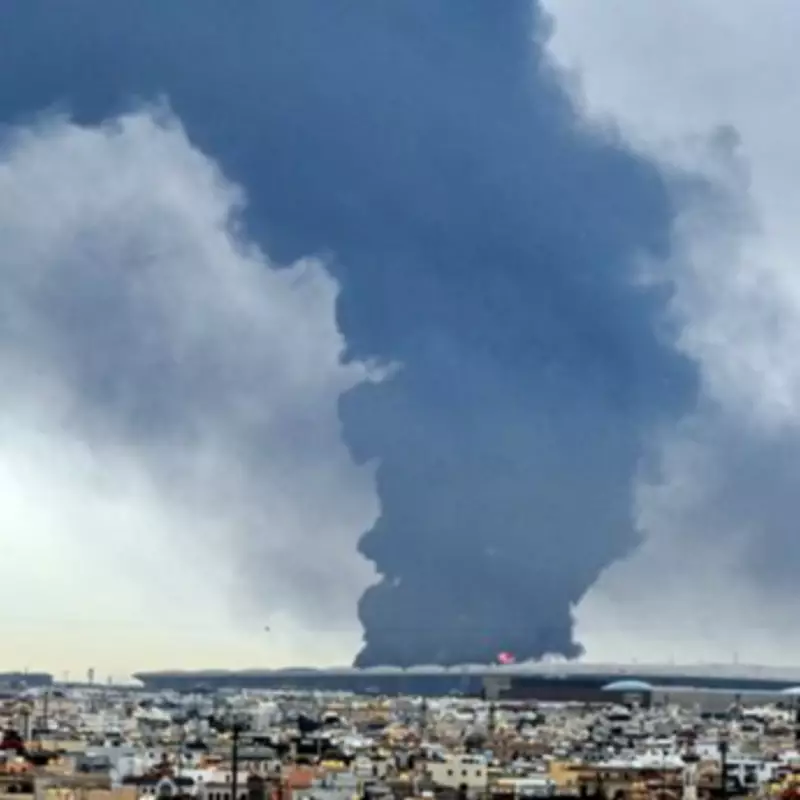
Firefighters battled fierce blazes at the state-run Kuwait Petroleum Corp refinery after an Iranian strike, while a simultaneous attack hit an electricity and water desalination facility. These resources are vital for the civilian population in the desert region, where approximately 90% of drinking water comes from desalination. Regional fears are mounting that Iran is deliberately targeting desalination plants across the Gulf, potentially endangering millions who rely on these facilities.
Emergency teams and security authorities are responding to the crisis as the conflict escalates. President Trump has threatened to intensify American bombing campaigns, targeting more bridges and electric power plants in Iran. This comes amid a ticking clock toward an April 6 deadline for Tehran's surrender or face further US bombardments on Iranian infrastructure.

Iran's Defiant Stance and Military Capabilities
Iranian Foreign Minister Abbas Araghchi issued a stern warning to Trump, declaring that attacks on civilian infrastructure "will not compel Iranians to surrender." Meanwhile, intelligence assessments suggest Iran's missile capabilities may be more robust than previously thought, with the country potentially retaining nearly half its original supply of launchers and missiles despite earlier strikes.
The conflict has already seen significant destruction, including a US strike on the Karaj Bridge connecting Tehran to Karaj city. Iranian authorities report this attack killed eight people and injured nearly 100, causing widespread chaos. Trump responded by declaring his military "hasn't even started destroying what's left in Iran."
Regional Escalation and Mounting Casualties
The war has expanded across the Middle East with multiple nations now engaged:
- The United Arab Emirates reported "engaging with missiles" from Iranian attacks
- Saudi Arabia intercepted incoming weapons
- Bahrain activated air-raid alarms, ordering citizens to take shelter
- Israel continued airstrikes across southern Lebanon reaching Beirut
The human cost continues to rise with over 3,000 confirmed deaths across the region:
- More than 1,900 killed by Israeli and American airstrikes according to Iran's health ministry
- At least 1,300 fatalities in Lebanon
- 19 deaths in Israel
- 13 US service members killed in combat, plus two noncombat deaths
International Military Responses
British RAF Regiment troops stationed in northern Iraq remain on permanent standby to intercept incoming Iranian missiles and drones. Their Rapid Sentry ground-to-air defense system has successfully shot down dozens of drones in recent weeks. The conflict has also sparked a major refugee crisis in Lebanon, displacing at least one million people and creating tensions in urban centers.
As the April 6 deadline approaches, the region braces for further escalation with Iran showing no signs of backing down from its confrontational stance against US demands for surrender.






