

Iran's Lethal Arsenal and Trade Route Threat Revealed in Intelligence Analysis
Fresh intelligence assessments indicate Iranian forces likely maintain approximately 70% of their pre-conflict ballistic missile inventory, alongside 60% of operational launchers and at least 40% of drone stockpiles. This revelation emerges as regional tensions escalate dramatically, with a critical two-week ceasefire set to expire imminently.
Houthi Proxy Threat to Global Shipping Lanes
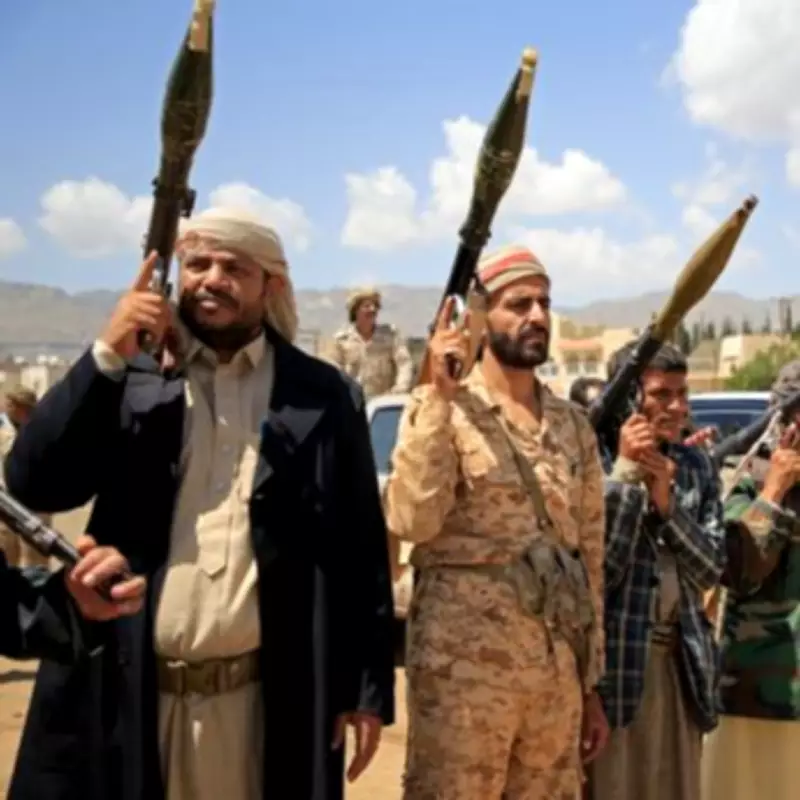
The Yemeni Houthi movement, acting as Iranian proxies, could potentially blockade the Bab al-Mandeb Strait according to senior officials. This strategic waterway connects the Red Sea to the Gulf of Aden, serving as a vital alternative to the already contested Strait of Hormuz for global oil shipments and commercial trade between the Gulf region, Europe, and Asia.
Such an action would represent the second major trade route closure resulting directly from the ongoing US-Iran conflict, creating severe disruptions to international energy markets and supply chains.

Iranian Military Commanders Issue Ominous Warnings
Ali Abdollahi, commander of Iran's Khatam al-Anbiya Central Headquarters which directs wartime operations, asserted Tehran maintains military superiority in the current confrontation. He specifically warned against what he characterized as "false narratives" being promoted about ground conditions.
Meanwhile, Iranian parliamentary speaker Mohammad Bagher Ghalibaf hinted at undisclosed military capabilities, stating Iran remains "prepared to reveal new cards on the battlefield." He further emphasized Iran would reject negotiations with the United States while under direct threat, echoing language previously used by former US President Donald Trump.
UK Intelligence Assessment Details Remaining Threat
A confidential UK intelligence report, obtained exclusively, confirms the substantial preservation of Iranian offensive capabilities. The document states: "US intelligence assessments have suggested that Iran likely still has access to around 70 percent of its pre-conflict ballistic missile stockpiles, and around 60 percent of its missile launchers. It also still retains around 40% of its drone arsenal."
The assessment directly links these preserved capabilities to the potential Houthi action against the Bab al-Mandeb Strait, noting a senior Houthi official explicitly warned of such measures if peace efforts continue to be obstructed.
Fragile Peace Talks Amid Deepening Distrust
US Vice President JD Vance is reportedly traveling to Pakistan in a renewed attempt to initiate peace negotiations with Iranian representatives. This follows previously failed talks earlier in the month that collapsed over Iranian refusal to cease nuclear enrichment activities and surrender approximately 440 kilograms of highly enriched uranium.
Pakistan has implemented extraordinary security measures in anticipation of potential negotiations, including suspension of public transportation in the capital Islamabad and temporary halting of scheduled power cuts. Iran has not yet confirmed participation in any talks, with deep-seated distrust persisting due to previous attacks occurring during negotiation periods.
Human Rights Council Accuses US of Targeting Religious Sites
Iran's High Council for Human Rights has issued formal condemnation of what it describes as deliberate US attacks on religious, cultural, and historical locations throughout Iran. Through state media channels, the council specifically referenced alleged strikes on Tehran's Jewish Synagogue, Nicholas Orthodox Cathedral, and St Mary Greek Orthodox Church.
The council's statement declared: "These attacks not only demonstrate the complete disregard of these aggressor regimes for basic human rights and international standards, but are evidence of a sinister intention to eliminate the identity symbols of religious minorities in Iran."
As the ceasefire deadline approaches, the combination of preserved Iranian military capabilities, proxy threats to critical trade routes, and deteriorating diplomatic prospects creates a dangerously volatile situation with potentially severe global consequences.






