Iran Issues Stark Warning to UK Over Potential Minehunting Drone Deployment in Hormuz
Iran has issued a direct warning to the United Kingdom, stating it will face consequences if it assists in reopening a critical oil shipping route in the Middle East. The warning comes as Britain actively considers deploying minehunting drones to secure the Strait of Hormuz, a narrow sea passage out of the Persian Gulf through which approximately 20% of the world's oil passes daily. Tehran is currently blockading this vital maritime corridor, causing significant disruption to global energy supplies.
Diplomatic Threats and Military Considerations
Esmail Baghaei, the Iranian Foreign Ministry spokesman, declared today that any UK involvement to protect the shipping lane "would be complicity in the crime of aggression" and would be "responded to by Iran." He further clarified, "We are not at war with the UK," but strongly discouraged British intervention. This statement follows revelations that Britain is evaluating the use of minehunting drones to counter Iran's stranglehold over the strait, a move prompted in part by calls from former US President Donald Trump for allied warships to protect tankers in the region.
There are mounting concerns that the Iranian regime is laying sea mines to disrupt passage and inflict global economic pain. In response, minehunting drones could potentially be deployed from the Royal Navy's Mine and Threat Exploitation Group, which is already stationed in the Middle East. Additionally, officials are exploring the adaptation of interceptor drones, originally manufactured in the UK for use by Ukraine against Russia, to counter Iran's aerial Shahed drones.

Political Stances and International Appeals
On Sunday, Shadow Foreign Secretary Ed Miliband stated the UK is "intensively" examining options to help reopen the route. "It is very important that we get the Strait of Hormuz reopened and we have already been talking with our allies, including the US, about this," Miliband said. "There are different ways that we could contribute, including with mine-hunting drones. All of these things are being looked at in concert with our allies."
Conversely, Liberal Democrat leader Sir Ed Davey argued the UK should not be at "Donald Trump's beck and call" over Iran. Sir Ed emphasized that "de-escalation is the best way to keep the Straits of Hormuz open" and cautioned against being "dragged into a war that we didn't start and is damaging our country and our economy."
The Ministry of Defence confirmed that "a range of options" are under consideration to secure shipping through the strait. However, Britain's only dedicated minehunter in the Gulf, HMS Middleton, was recently towed back to Portsmouth for a planned upkeep period, leaving a capability gap. The MoD noted that an autonomous minehunting capability remains deployed in the region as part of the transition towards a hybrid Navy.
Escalating Regional Tensions and Broader Context
The situation has deteriorated further over the weekend. Donald Trump, on his Truth Social platform, urged the UK, China, France, Japan, and South Korea to send naval vessels to secure the Strait of Hormuz. He threatened aggressive US action, stating, "In the meantime, the United States will be bombing the hell out of the shoreline and continually shooting Iranian boats and ships out of the water. One way or the other, we will soon get the Hormuz Strait OPEN, SAFE, and FREE!" Trump has also threatened to "wipe out" Kharg Island, a key part of Iran's oil infrastructure, if Tehran does not reopen the passage.
Iran's new supreme leader, Mojtaba Khamenei, vowed in his first public statement to continue blocking the strait to pressure the US. Meanwhile, Iran's foreign minister, Abbas Araghchi, told CBS News that Iran is "open to countries who want to talk" about safe passage but asserted Tehran has "never asked for a ceasefire, we have never asked even for negotiation." This follows Iran's recent strike on the UK's RAF base in Cyprus, conducted hours after Prime Minister Keir Starmer authorized US use of British military sites for limited defensive strikes on Iran.

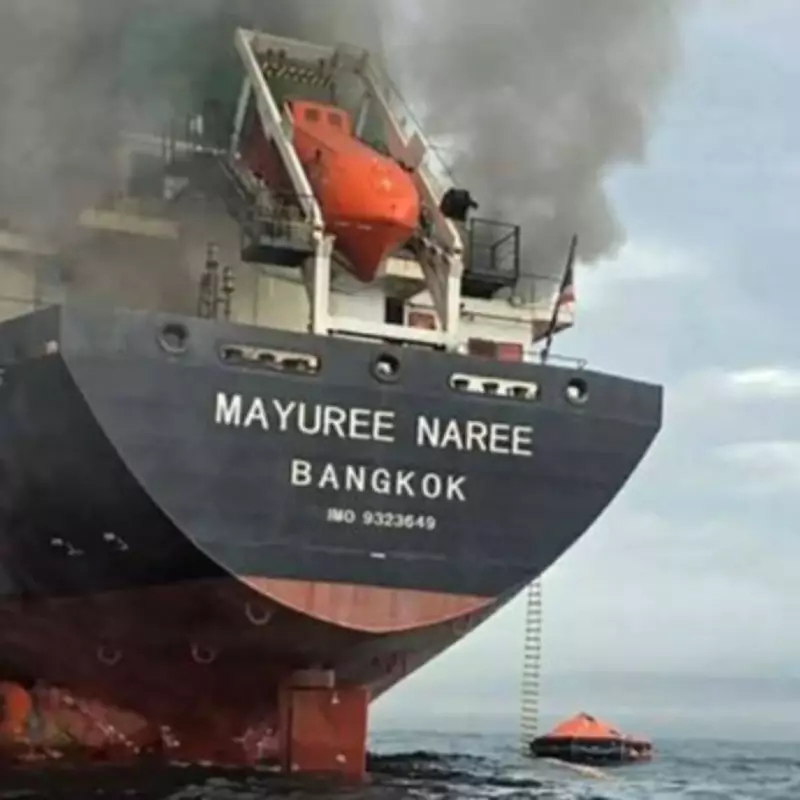
Numerous oil tankers have been attacked while attempting to transit the strait since the conflict began, exacerbating fears of a broader regional conflagration. The geopolitical standoff continues to threaten global energy security and economic stability.