Iranian Missile Threat Escalates: UK Cities Now Within Range, Experts Warn
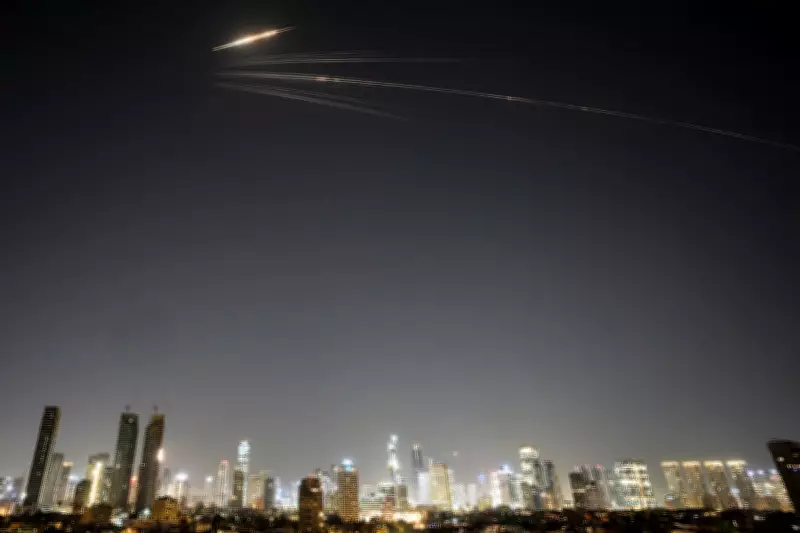
Iran has developed advanced long-range missiles that can now strike major European cities, including London, Paris, and Berlin, according to a stark warning from Israeli defence officials. This alarming revelation follows Iran's recent targeting of the UK-US military base on Diego Garcia in the Chagos Islands, marking a significant escalation in regional tensions.
Missile Capabilities and Global Reach
The Israeli Defence Forces (IDF) confirmed that Iran launched two intermediate-range ballistic missiles toward Diego Garcia, demonstrating for the first time since the conflict began that Tehran possesses weapons capable of reaching distances up to 2,400 miles (4,000km). This range places dozens of countries across Europe, Asia, and Africa within potential striking distance.
Israeli Prime Minister Benjamin Netanyahu emphasised the gravity of the situation, stating publicly: "I've been warning all the time. They have now the capacity to reach deep into Europe. They already have fired on a European country, Cyprus. They are putting everyone in their sights."

Military analysts had previously estimated Iran's maximum missile range at 1,200 to 1,900 miles with the Khorramshahr 4 missile. However, the successful launch toward Diego Garcia—located approximately 2,360 miles from Iran—suggests Tehran's capabilities are more advanced than previously assessed.
UK Defence Response and Official Statements
Housing Secretary Steve Reed has sought to reassure the British public, insisting the UK maintains sufficient defensive systems to protect national security. Speaking on Sky News's Sunday Morning With Trevor Phillips programme, Reed stated: "We have systems and defences in place that keep the United Kingdom safe, and that will continue to happen."
He pointed to the interception of one missile and the failure of another during the Diego Garcia attack as evidence of effective defensive capabilities. However, Reed reiterated the government's position that Britain "will not get dragged into war" despite the growing Iranian threat, while reserving the right to take "necessary defensive action to protect British interests, British people, or our allies across the region."
Expert Analysis and Security Concerns
Military experts have expressed heightened concern following the Diego Garcia incident. Sky News military analyst Sean Bell warned: "All of a sudden, the UK is not far away either, so that's the huge significance. At least Diego Garcia is well protected, London is not. The UK has no effective ballistic missile defence system in place, and therefore, this is a very worrying development for the UK."
General Sir Richard Barrons, former head of the UK's Joint Forces Command, told BBC's Today programme that Iran's capabilities exceed previous estimates: "Previously we thought Iran's missiles had a range of 2,000km and Diego Garcia is 3,800km from Iran."
Danny Citrinowicz, a former Israeli military intelligence officer now with the Institute for National Security Studies, suggested the Diego Garcia attack might represent a strategic warning rather than an immediate threat to European cities. He told The Times: "It's not that they think that tomorrow they will attack London or Paris, but I think that for them it's another element that enables them to build the deterrence."
Regional Context and Future Implications
The missile developments occur against a backdrop of escalating conflict in the Middle East, with Iran "recklessly" attacking other countries according to Israeli assessments. The 12-day war last June saw Israel and the US target Iranian missile bases and launchers, but satellite imagery suggests Tehran has been attempting to restart manufacturing operations.
Citrinowicz noted that Israeli government leaks indicate Iran likely retains substantial numbers of short-range ballistic missiles, though the extent of their rebuilt capacity remains unclear. As the war shows no signs of abating, concerns are mounting that the UK could become a legitimate target, transforming what was previously considered a regional conflict into a potential global security crisis.