

Israeli Intelligence Furious Over Trump's Iran Ceasefire, Vows to Continue War
Israeli intelligence agencies are reportedly 'furious' over the ceasefire deal brokered by US President Donald Trump with Iran, with sources indicating they will do everything possible to undermine the agreement and continue the conflict. According to exclusive reports, Mossad and Military Intelligence believe the war has not achieved its core objectives, despite Trump's claims of a major victory.
Unmet Objectives and Lingering Threats
The ceasefire, announced less than two hours before Trump's deadline for Iran to reopen the Strait of Hormuz, has been met with deep skepticism within Israeli security circles. A western security source revealed that Israeli intelligence views the deal as premature, pointing out that Iran retains significant military capabilities. These include nuclear enrichment facilities in Tehran, approximately half of its missile arsenal, and thousands of deadly drones stored in underground tunnels.
"The Israeli intelligence community is deeply unhappy about this so-called deal as it has not achieved anywhere near what it wanted to in this conflict," the source stated. "They believe it is way too early and Iran has retained some of its capability in terms of missiles and drones so it remains a threat to Israeli cities and its citizens."

Trump's Seismic Turnaround and Regional Mediation
Trump's agreement to a two-week ceasefire marked a dramatic shift from his earlier threats, where he warned that "a whole civilisation will die tonight" if demands were not met. The deal was mediated by Pakistan's military chief, Field Marshal Asim Munir, and Prime Minister Shehbaz Sharif. In exchange for ceasing counter-attacks, Iran agreed to provide safe passage through the Strait of Hormuz, temporarily easing global oil trade disruptions.
On social media, Trump declared, "This will be a double sided ceasefire. The reason for doing so is that we have already met and exceeded all Military objectives, and are very far along with a definitive agreement concerning long-term peace with Iran, and peace in the Middle East." He later told reporters it was a "total and complete victory," despite the war claiming over 5,000 lives across nearly a dozen countries, including more than 1,600 Iranian civilians.
Israel's Contradictory Actions and Ongoing Hostilities
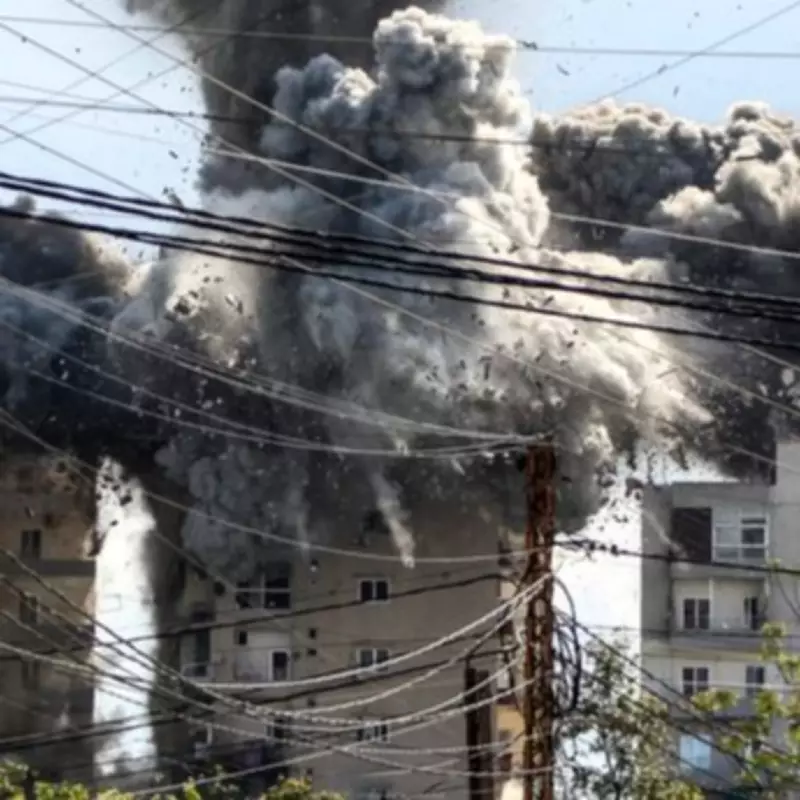
While Israel's Prime Minister Binyamin Netanyahu's office publicly supported suspending strikes on Iran for two weeks, it crucially noted that the ceasefire does not apply to Lebanon. This contradicts statements from Pakistan's Sharif, who said it included a cessation of Israel's Lebanon campaign. Hours after Trump's announcement, Israel launched major attacks across southern Lebanon, issuing evacuation orders to Lebanese citizens and striking back at missile launch sites in Iran.
Further undermining the truce, the Israeli military reported identifying missiles launched from Iran, with explosions heard in Tel Aviv from intercepted projectiles. Gulf nations like Kuwait, Bahrain, Saudi Arabia, and the United Arab Emirates simultaneously activated air defences, highlighting regional tensions.
Iran's Demands and Unworkable Peace Plan
Iran's ten-point peace plan, which Trump has framed as a victory, includes demands that sources describe as "unworkable" for the US and Israel. Key provisions include:
- Lifting all primary and secondary sanctions on Iran
- Continued Iranian control over the Strait of Hormuz, with a potential $2 million fee per ship
- US military withdrawal from the Middle East
- An end to attacks on Iran and its allies
- Release of frozen Iranian assets
- UN Security Council resolution to make the deal binding
- Acceptance of nuclear enrichment and reparations for war damage
Israeli intelligence views these demands as near-impossible to accept, fueling their determination to continue military operations. Attacks on Iran's proxy forces, such as Hezbollah, and even direct strikes on Iran have persisted, indicating that underlying tensions remain unresolved.

As the fragile ceasefire holds in some areas, Israeli actions suggest a strategy to sabotage what they see as an inadequate deal, with one source concluding, "It is highly likely that Israel will try to undermine what Trump claims he has achieved because this was Israel's once chance at smashing the Iranian threat. It's not there yet."





