An Iranian Kurdish separatist group operating from northern Iraq has declared it carried out armed attacks against Iran's powerful Revolutionary Guard Corps (IRGC). The group claims the operations were a direct response to Tehran's violent suppression of recent nationwide protests.
Retaliation for Protest Crackdown
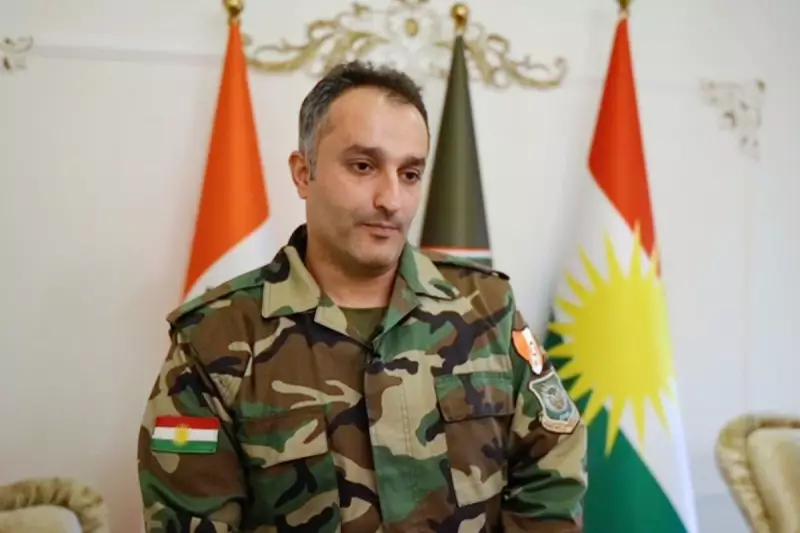
Jwansher Rafati, a representative of the Kurdistan Freedom Party (PAK), informed The Associated Press on Thursday that the group's armed wing, the National Army of Kurdistan, had initiated the attacks. Rafati stated the group had "played a role in the protests through both financial support and armed operations to defend protesters when needed."
He specifically alleged that PAK fighters inside Iran responded in the provinces of Ilam and Kermanshah, and in Firuzkuh, after learning the IRGC was shooting protesters directly. "Our fighters... responded with armed operations and inflicted significant damage on the regime’s forces," Rafati claimed in an interview from Irbil, the capital of Iraq's semi-autonomous Kurdish region.

Online Claims and Regional Tensions
The PAK has publicised its actions online, posting videos purporting to show operations against IRGC targets. These often grainy clips depict gunfire, explosions, and burning buildings. The Associated Press could not independently verify the extent of the damage or the impact of these alleged attacks.
Rafati emphasised that the operations were conducted by members already based inside Iran, with no forces sent from Iraq. However, he acknowledged the group anticipates possible Iranian retaliatory strikes on its bases in northern Iraq.
This development places Iraqi authorities in a sensitive position. Iran wields considerable influence in Iraq, and the presence of Kurdish dissident groups in the north has long been a point of friction. A 2023 agreement between Baghdad and Tehran aimed to disarm these groups and relocate them from border areas, but they have remained active.
Background and Iranian Accusations
Iranian state media has consistently labelled protesters as "terrorists" and accused them of receiving support from the United States and Israel, without providing evidence. Outlets have broadcast surveillance footage of armed men in Kurdish dress and published images of seized weapons in western Iran.
News agencies close to the IRGC, like Tasnim and Fars, have accused Kurdish groups, including the PAK, of actively inciting unrest and moving into an "armed phase." Iranian activists report that more than 2,797 people were killed during the government's crackdown on the recent protest wave.
The PAK's history is complex. A decade ago, its forces received U.S. military training while fighting against the Islamic State group, ironically alongside Iranian-backed Iraqi Shiite militias. The group says most of its current funding comes from supporters within Iran and the diaspora.
This marks the first time a Kurdish group has claimed armed operations since the latest wave of protests and the ensuing state crackdown began, signalling a potential escalation in the long-standing conflict between Tehran and Kurdish separatist factions.