

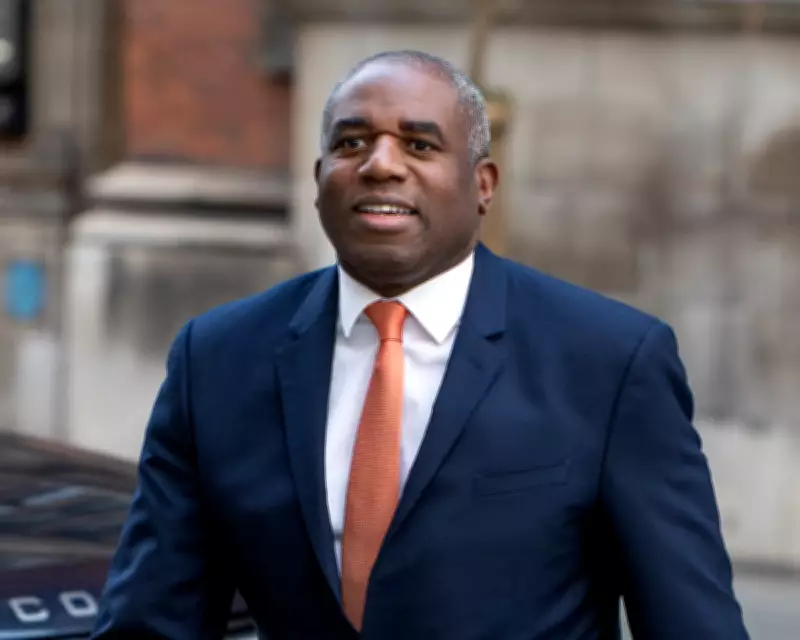
Royal Air Force fighter jets could legally conduct strikes against Iranian missile bases that are being used to attack British interests in the Middle East, Deputy Prime Minister David Lammy has confirmed this morning. The statement comes as the UK government intensifies its defensive posture in the region, with Lammy emphasising that current operations involve shooting down missiles and drones launched by Iran at allied forces.
Legal Basis for Offensive Action
Lammy clarified that while RAF F-35 and Typhoon jets are presently engaged in defensive interceptions, there exists a solid legal foundation for them to escalate to direct strikes on the Iranian launch sites themselves. He explained to BBC Breakfast, "It is entirely legal to protect our people and protect our staff, and therefore all operational capability is available to us in those circumstances." The deputy prime minister further noted that the UK possesses advanced satellite and intelligence capabilities to accurately identify these Iranian facilities.
Pre-emptive Strikes and International Cooperation
When questioned about the legality of pre-emptive strikes on Iranian bases in anticipation of an attack, Lammy responded, "It is my understanding that that would be legal." This stance aligns with the UK's recent decision to grant the United States permission to utilise British bases for defensive strikes against Iran's missile infrastructure. Additionally, the UK is bolstering its military presence by deploying four extra Typhoon jets to Qatar and sending Wildcat helicopters equipped with anti-drone capabilities to Cyprus, as announced by Prime Minister Keir Starmer in a press conference yesterday.

Political Reactions and Broader Context
The discussion on potential offensive action has sparked varied political responses. Conservative leader Kemi Badenoch has advocated for the UK to take more aggressive measures against Iran following attacks on British bases, stating, "We need to do what we can to stop the ability for these attacks to take place," during an interview on BBC Radio 4's Today programme. Meanwhile, Home Secretary Shabana Mahmood has introduced controversial immigration reforms, including ending permanent refugee status and withdrawing government support from certain asylum seekers, which has drawn criticism from some Labour backbenchers who compare the policies to those of Donald Trump or warn of a Windrush-style scandal.
Other Key Developments
In separate news, a pilot scheme will offer financial incentives of up to £10,000 per person or £40,000 per family for rejected asylum seekers to leave Britain, mirroring reforms implemented in Denmark. On the political front, Nigel Farage has framed the upcoming Senedd elections in Wales as a "referendum" on Keir Starmer's leadership, as Reform UK challenges Plaid Cymru to break Labour's long-standing dominance. Additionally, the husband of Scottish Labour MP Joani Reid, David Taylor, along with two other men, has been released on bail after being arrested on suspicion of espionage for China.






