NATO Activates Air Defences as Russia Launches Major Assault on Ukraine
In a dramatic escalation of the ongoing conflict, Vladimir Putin's forces unleashed a devastating night-time barrage of missiles and drones across Ukraine, prompting NATO to scramble fighter jets along its eastern flank. The large-scale attack, which included advanced hypersonic weapons, directly contradicted what former US President Donald Trump had described as a personal assurance from the Kremlin leader to avoid striking Ukrainian cities during a period of extreme cold weather.
Widespread Destruction and Civilian Suffering
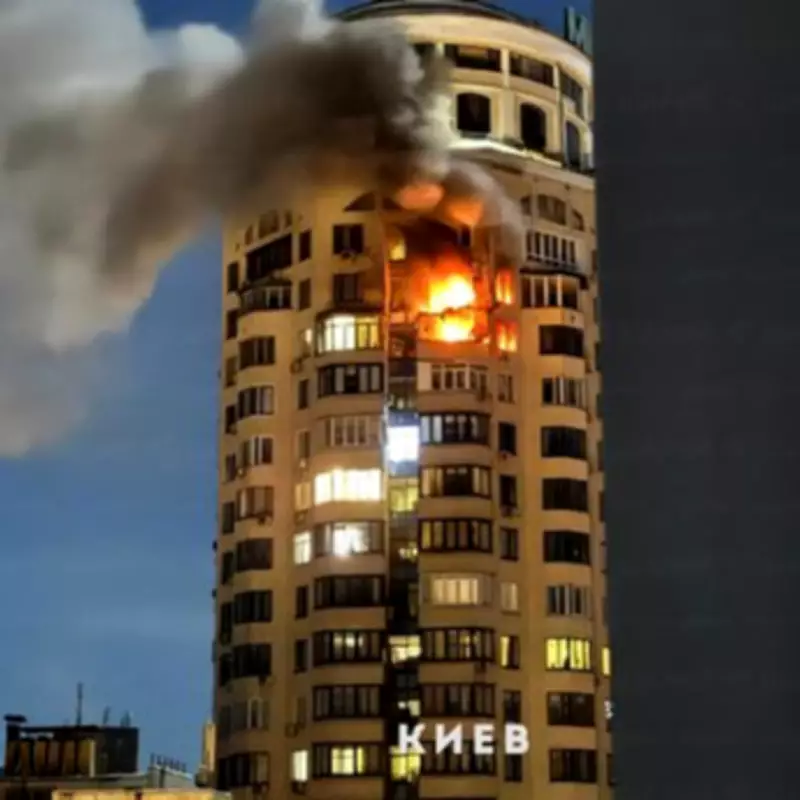
The Russian assault targeted multiple urban centres with a combination of over 60 ballistic and cruise missiles alongside at least 350 strike drones. Residential areas bore the brunt of the attacks, with high-rise apartment blocks in Kyiv sustaining direct hits that left buildings ablaze and thousands without heating during temperatures plunging below -20°C. In the capital alone, approximately 1,170 apartment buildings were rendered without heat, while a 22-storey residential tower was engulfed in flames from the bombardment.
Kharkiv, Ukraine's second-largest city, endured a particularly brutal six-hour onslaught that damaged energy infrastructure and left more than 800 residential blocks without heating. Municipal authorities were forced to drain water from heating systems to prevent pipes from freezing and bursting in the sub-zero conditions. Additional strikes were reported in Vinnytsia, Dnipropetrovsk, Odesa, Sumy, and Chernihiv regions, with power plants and civilian facilities deliberately targeted.

NATO's Preventive Response
The Polish Armed Forces Operational Command announced the activation of defensive measures in response to Russian long-range aviation activities. Fighter aircraft and early warning systems were scrambled as a precautionary measure to secure airspace adjacent to the conflict zone. A military statement clarified that these operations were "preventative in nature and are aimed at securing and protecting airspace, particularly in areas adjacent to the threatened areas."
This NATO response came specifically due to the deployment of Russia's strategic bomber aircraft, which were firing missiles across Ukrainian territory from international airspace.
Broken Promises and Diplomatic Fallout
The timing of the attack proved particularly contentious, occurring shortly after Donald Trump publicly stated that Putin had "given his word" not to launch strikes against Ukrainian cities for one week during the coldest period of winter. "I asked him if he wouldn't shoot for a period of one week, no missiles going into Kyiv or any other towns, and he's agreed to do it, so it's something," Trump had declared before what Ukrainian officials described as the worst Russian onslaught of the year.
The Kremlin subsequently disputed Trump's characterization of any agreement, with Russian officials denying the existence of a week-long truce extending into February. This contradiction highlighted the diplomatic complexities surrounding the conflict and raised questions about communication channels between Moscow and Western political figures.
Humanitarian Crisis Intensifies
Beyond the immediate destruction, the attack exacerbated an already severe humanitarian situation. With temperatures remaining dangerously low, vulnerable populations including elderly residents, children, and people with disabilities faced life-threatening conditions without heating or reliable electricity. Ukrainian war commentator Denis Kazansky condemned the timing of the assault, stating: "Since Russia is a scumbag state, it chose another wave of frosts to deliver another barbaric strike against the civilian population."
The strikes deliberately targeted civilian infrastructure including a kindergarten, filling stations, and residential buildings with no military significance, according to footage from the affected areas. Kyiv Mayor Vitali Klitschko confirmed that two districts of the capital were completely without heat following the attacks on energy facilities.

This latest escalation demonstrates Russia's willingness to employ extreme measures against civilian populations during harsh winter conditions, while simultaneously testing NATO's defensive readiness along the alliance's eastern borders. The incident marks a significant deterioration in the conflict and raises serious concerns about potential further escalation involving Western military responses.