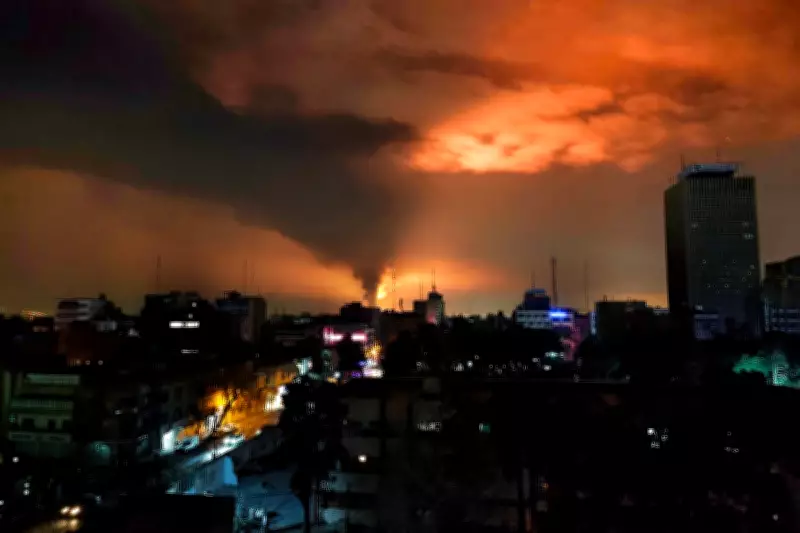
The Pentagon has reportedly submitted a formal request to the White House, seeking approval for over $200 billion in additional funding to support the ongoing military campaign in Iran. This substantial financial demand comes as the United States, in collaboration with Israel, continues its strikes against Iran, which began nearly three weeks ago with the stated objective of dismantling the Iranian regime's security infrastructure.
Trump's Justification for the Conflict
Former President Donald Trump has publicly defended the military actions, asserting that Iran presented an 'imminent' threat due to its nuclear ambitions and development of long-range missiles. In statements, Trump has emphasized that he is 'not afraid' the conflict could escalate into another Vietnam-style war, drawing comparisons to historical military engagements while maintaining a firm stance on the necessity of the campaign.
Initial Costs and Military Operations
The initial phase of the conflict, spanning the first six days, incurred estimated costs of more than $11.3 billion. This expenditure covered extensive military operations, including strikes on over 7,800 targets across Iran. The scale of these actions highlights the intensity of the campaign and the significant resources already deployed in the region.

Congressional Opposition and Concerns
The proposed $200 billion funding increase faces considerable opposition within Congress. Some officials have expressed doubts about its likelihood of passage, citing budgetary constraints and strategic reservations. Senator Richard Blumenthal has been vocal in raising concerns about the implications of such a large-scale financial commitment, questioning the long-term impact on U.S. foreign policy and military priorities.
As the debate unfolds, the request underscores the high stakes involved in the Iran conflict, with potential ramifications for international relations and domestic fiscal policy. The outcome of this funding battle could significantly influence the trajectory of the military campaign and broader geopolitical dynamics in the Middle East.