Pentagon Reveals Coffee and Cigarette Habits of US Troops in Iran War
The Pentagon has offered detailed insights into the consumption habits of US military personnel during the ongoing conflict in Iran, following the announcement of a temporary two-week ceasefire. This disclosure came as part of a broader briefing on operational logistics and troop welfare in the region.
Ceasefire Announcement and Strategic Context
Former President Donald Trump announced on Tuesday that attacks would be temporarily paused, as Iran agreed to reopen the Strait of Hormuz during the truce period. This strategic move aims to facilitate humanitarian efforts and de-escalate tensions in the volatile region.
Consumption Statistics Unveiled
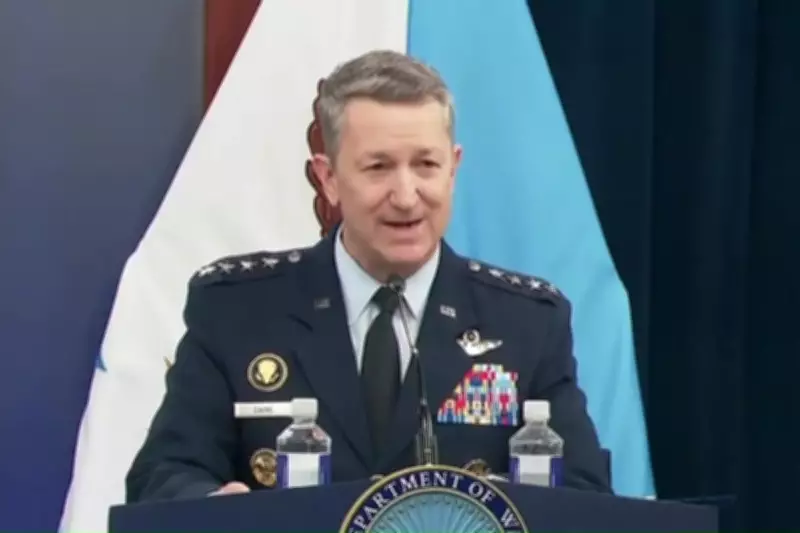
At a Pentagon briefing on Wednesday, 8 April, General Dan Caine provided specific data on the supplies consumed by US forces since the conflict began on February 28. The figures highlight the immense scale of military operations and the daily needs of deployed troops.

- Over six million meals have been consumed, underscoring the large number of personnel involved in the conflict.
- More than 950,000 gallons of coffee have been drunk, reflecting the high-stress environment and long hours faced by soldiers.
- Over two million energy drinks have been consumed, indicating the demand for sustained alertness and energy among troops.
Nicotine Consumption and Light-Hearted Remarks
General Caine also mentioned a significant consumption of nicotine among the troops, including cigarettes and other tobacco products. He made a light-hearted remark about this habit, suggesting it as a common coping mechanism in combat zones, though he emphasized the military's ongoing efforts to promote healthier alternatives.
The general's comments shed light on the personal challenges faced by service members, beyond the immediate dangers of warfare. This humanizes the statistics and underscores the importance of support systems for military personnel in conflict zones.
Implications and Broader Analysis
These consumption habits provide a unique window into the daily lives of US troops during the Iran war, revealing not just logistical demands but also the psychological and physical strains of deployment. The data comes at a critical time, as the ceasefire offers a brief respite and an opportunity to reassess supply chains and welfare programs.
As the conflict continues, understanding these aspects is crucial for military planners and policymakers aiming to maintain troop morale and operational efficiency. The Pentagon's transparency in this matter may also influence public perception and support for the military's efforts in Iran.