RAF Jets Forced into Urgent Resupply as Iranian Drone Barrage Intensifies
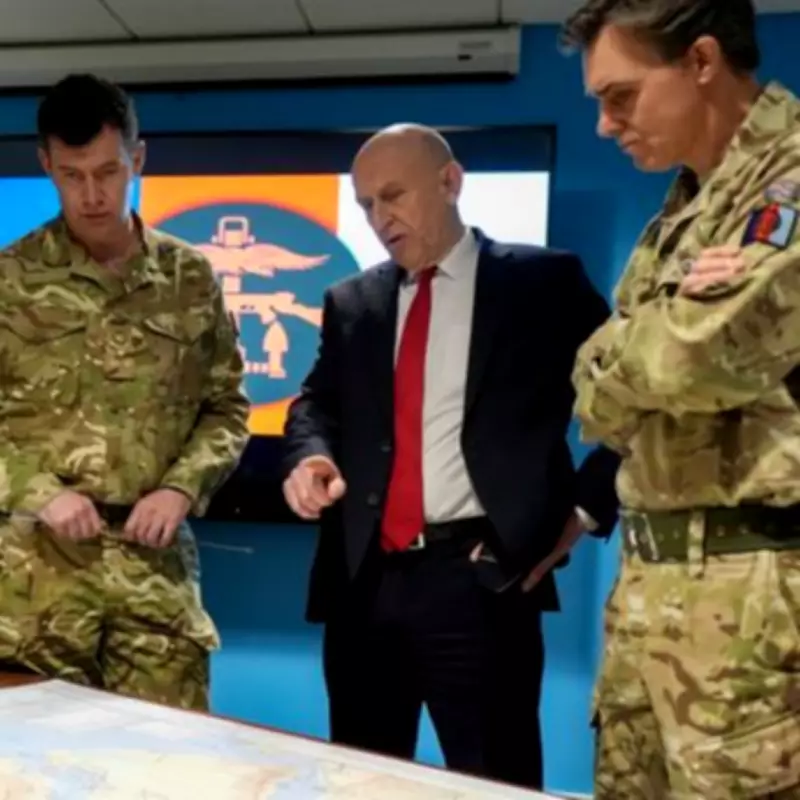
British military commanders have disclosed that Royal Air Force fighter jets have been engaged in such a relentless campaign to intercept Iranian drone attacks on coalition forces in Iraq that critical missile stocks were depleted, necessitating emergency resupply flights to the Middle East. Defence Secretary John Healey confirmed that these logistical operations became essential following what he described as "pretty continuous" British interception efforts over recent weeks.
Coalition Bases Under Sustained Attack
According to the latest defence update, British troops stationed at a military base in Erbil, northern Iraq, which houses coalition forces including American personnel, came under repeated assault. Brigadier Guy Foden reported during a briefing that both Erbil and the Iraqi capital Baghdad were "struck a number of times" overnight, with attacks showing increasing coordination.
"Erbil and Baghdad were both struck a number of times last night, with increasing co-ordination we assess, and we have personnel in Erbil who are currently helping with the defence of that base," Brigadier Foden stated. "Last night they shot down two UAVs (unmanned aerial vehicles) coming out of the camp but a number of UAVs did impact on the camp."

RAF Pilots Log 300 Hours in Combat Operations
British pilots have accumulated approximately 300 hours of flight time since hostilities escalated last month, playing a crucial role in defending coalition airspace around the Erbil base. Their intensive interception activity became so comprehensive that munitions required replenishment through dedicated resupply missions.
Lieutenant General Nick Perry, the UK's chief of joint operations, confirmed that additional missiles were delivered to RAF aircraft this week, bringing fighter jets back up to what he termed "a reasonable stock" level. The defence secretary emphasized the sustained nature of these operations, noting that "their action has been pretty continuous since the start."
Regional Air Patrols Expand as Threats Multiply
Beyond Iraq, British military operations have expanded across the region. Brigadier Foden revealed that the UK has conducted air combat patrols over Jordan and the United Arab Emirates, along with executing "a number of sorties" over Qatar. Additionally, RAF jets have continued defensive operations around Cyprus in coordination with European allies stationed in the area.
Despite the intensity of attacks, Lieutenant General Perry reported "no British casualties" from the overnight assaults, though American forces sustained "some" injuries that were described as "nothing too serious."
Investigating Russian Connections to Iranian Tactics
In a related development, Defence Secretary Healey confirmed that British authorities are currently analysing debris from a drone that struck RAF Akrotiri in Cyprus, searching for "evidence of Russian or any other foreign components and parts." He suggested that Vladimir Putin's influence might be evident in Iranian military strategies.
"We will update you and appropriately publish any findings from that when we've got them, but I think no one will be surprised to believe that Putin's hidden hand is behind some of the Iranian tactics, potentially some of their capabilities as well," Healey remarked. He further noted that elevated oil prices resulting from regional tensions provide financial benefits to Russia's military campaign in Ukraine.
The situation highlights the escalating nature of drone warfare in the Middle East and the logistical challenges facing coalition forces as they attempt to counter increasingly coordinated aerial threats from Iranian-backed groups.