

Royal Navy's Delayed Cyprus Deployment Exposes Strategic and Funding Failures
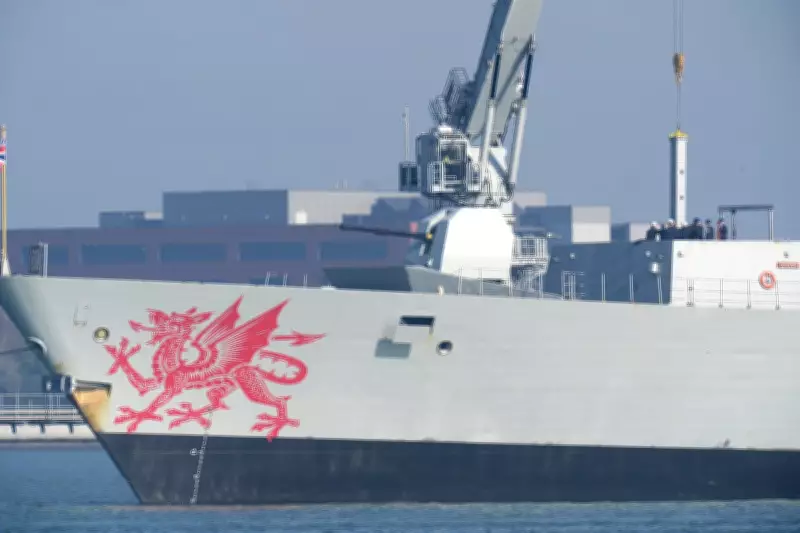
In the wake of a drone strike on a Royal Air Force base in Cyprus last Sunday, the United Kingdom's intended show of naval strength has been significantly delayed, with HMS Dragon still docked in Portsmouth and not expected to sail until next week. This postponement has sparked frustration within the Ministry of Defence and highlighted critical shortcomings in defence preparedness.
Strategic Obligations and Diplomatic Disappointment
Under the 1960 Treaty of Guarantee, which granted Cyprus independence, Britain holds a legal responsibility to ensure the island's security. However, the Cypriot government has expressed disappointment in the UK's response, compelling them to seek assistance from France. This situation marks a notable departure from historical norms, as it is believed to be the first instance since 1980 that no Royal Navy vessels are stationed in the Gulf, following years of reduced British presence in the region.
Admiral Lord Alan West, former First Sea Lord from 2002 to 2006, had previously criticised the decision to withdraw the last remaining ship as a "terrible error". The current delay underscores the consequences of such strategic choices, particularly as the UK re-evaluates its approach amid escalating tensions between the US and Iran.

Readiness Levels and Contractual Complications
HMS Dragon, one of the Royal Navy's six Type 45 Destroyers, is described as "one of the most advanced warships in the world", equipped with the Sea Viper anti-air missile system and manned by approximately 200 crew members. Currently, the vessel is being loaded with ammunition after recently emerging from maintenance, having been in dry dock for refitting earlier this week.
Professor Kevin Rowlands, a former senior Royal Navy officer now with the Royal United Services Institute, explained that each ship maintains a declared "readiness" level, indicating how many days are required before it can set sail. He emphasised that the prime minister would have been aware of this status when authorising deployment. "If we wanted something earlier or quicker there would be ways of doing that," Rowlands noted, suggesting that the delay reflects broader strategic priorities rather than mere unpreparedness.
Funding Shortfalls and Maintenance Challenges
Commodore Steve Prest, former director of Royal Navy acquisition, pointed to funding issues as a root cause of the Navy's readiness problems. He highlighted that maintaining the fleet's "full structure" has been a significant budgetary challenge, with ageing Type 23 frigates and Type 45 destroyers suffering from insufficient spares and maintenance. "Getting them out in sufficient numbers at sufficient readiness has been a problem," Prest stated.
Further complications arose when contractor Serco raised concerns about weekend work on HMS Dragon, due to a 2025 contract modification that eliminated overtime provisions. Armed Forces Minister Al Carns intervened to resolve the issue, which MoD sources attributed to the department's need to find £2.6 billion in savings this financial year. Initially, an MoD source expressed frustration, saying, "People are fuming here. It is not on for a contractor to work to rule in these circumstances." By Thursday, both the Royal Navy and Serco confirmed that work was proceeding, with overtime available when necessary.
Strategic Shifts and Forward Planning
Professor Rowlands argued that the delay highlights the UK's strategic reorientation towards Russia and NATO in recent years. "The UK, through successive defence reviews, have made some strategic choices," he explained. "It's NATO first. It's the North Atlantic, it's the high North. The principal adversary is Russia. And so those choices have meant a drawdown of fewer forces in other regions including the Middle East."

Commodore Prest, however, criticised the lack of foresight, noting that the US had requested use of UK bases for strikes on Iran as early as 11 February, seventeen days before the attack that killed Iranian leader Ali Khamenei. "You could see the build-up, it was unlikely to be without consequences," he said. "We could and should have seen this coming." He added that strategically, the UK has taken "our eye off the ball".
Government Response and Reinforcements
In a recorded TV address, Sir Keir Starmer stated that he agreed to a US request to use British military bases for "defensive" strikes on Iranian missile sites, citing risks to "British lives". The government announced on Tuesday that it would deploy HMS Dragon to the region, but the delay has raised questions about the effectiveness of this response.
A Ministry of Defence spokesperson outlined additional measures: "We are reinforcing our defensive presence in the Eastern Mediterranean with four additional Typhoon jets to Qatar. Royal Navy Wildcat helicopters armed with Martlet drone-busting missiles are arriving in Cyprus. They will reinforce our RAF Typhoons, F-35B jets, ground-based counter-drone teams, radar systems, and Voyager refuelling aircraft already deployed." The spokesperson assured that the Royal Navy is working expediently to prepare HMS Dragon, including resupplying air defence missiles at HMNB Portsmouth.
As tensions persist, the delayed deployment of HMS Dragon serves as a stark reminder of the complex interplay between strategic priorities, funding constraints, and operational readiness in modern defence planning.





