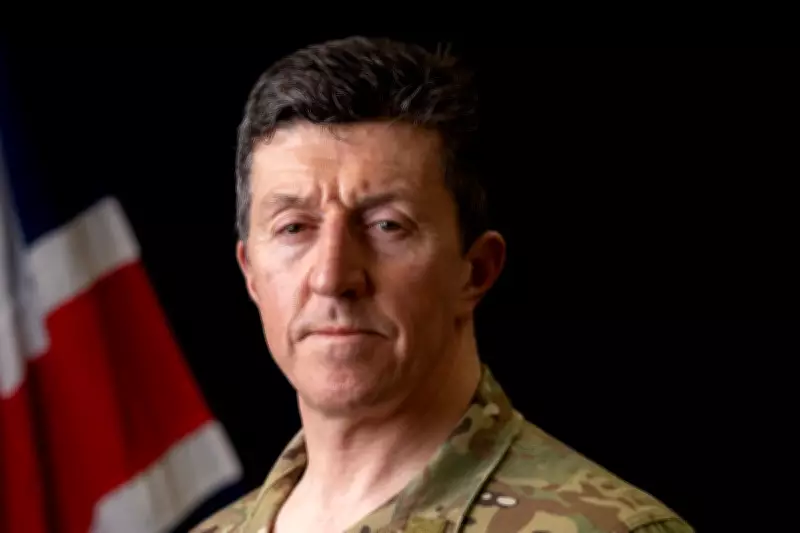
Royal Navy 'Not Ready for War' Admits First Sea Lord, Vows Readiness by 2030
General Sir Gwyn Jenkins, the First Sea Lord, has made a stark admission that the Royal Navy is not currently prepared for war, though he has pledged that this will change by the end of the decade. In a candid statement, Sir Gwyn confirmed that while the navy remains capable of conducting advanced operations if absolutely necessary, its overall readiness falls short of the required standards. This revelation comes at a time of heightened global tensions and follows pointed criticism from key allies.
US Criticism and International Pressure
The admission follows recent sharp criticism from US Defence Secretary Pete Hegseth, who highlighted the Royal Navy's absence from Operation Epic Fury, a critical mission in the American-Israeli conflict in Iran. This absence has raised concerns about the UK's military capabilities and commitment to allied efforts. Additionally, former US President Donald Trump has publicly criticised the UK, urging it to either purchase jet fuel from the United States or forcibly secure it from the strategic Strait of Hormuz. Trump went further, suggesting that the US might withdraw its assistance to the UK if such actions are not taken, adding to the diplomatic pressure on British defence policy.
NATO Allies Also Lagging in Readiness
Sir Gwyn also emphasised that the issue of war readiness is not unique to the Royal Navy. He pointed out that other NATO allies are similarly lagging in their preparedness, despite the alliance's collective commitment to increased defence spending targets. This broader context underscores systemic challenges within the alliance, as nations struggle to meet the demands of modern warfare and evolving threats. The First Sea Lord's comments highlight a critical gap between NATO's strategic ambitions and the current operational realities of its member states.

Path Forward and Future Commitments
Looking ahead, Sir Gwyn outlined a clear path to improve the Royal Navy's readiness by 2030. This includes enhanced training, modernisation of equipment, and strategic investments in key areas such as logistics and personnel. The goal is to ensure that the navy can effectively respond to conflicts and support allied operations without delay. However, achieving this will require sustained funding and political will, particularly in light of the ongoing debates over defence budgets and international partnerships.
The First Sea Lord's admission serves as a wake-up call for policymakers and the public alike, emphasising the urgent need to bolster the UK's naval capabilities in an increasingly uncertain world.