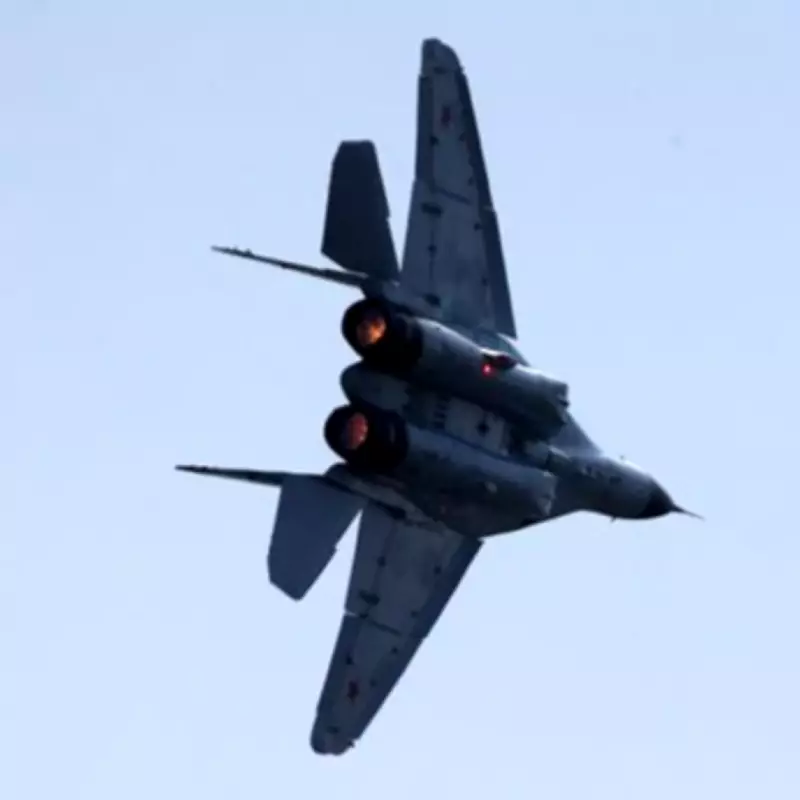
A Russian SU-30 fighter jet entered Estonian airspace on Wednesday, prompting an urgent NATO response as tensions escalate in the region. The incident, which lasted for around a minute, has raised significant concerns about airspace security and diplomatic relations.
Emergency NATO Scramble Following Airspace Breach
Estonian Foreign Minister Margus Tsahkna confirmed the violation, stating that the Russian military aircraft crossed into NATO territory briefly but provocatively. In response, NATO forces swiftly scrambled aircraft to intercept and monitor the situation, highlighting the alliance's readiness to defend its member states.
Details of the Incident
The breach occurred on Wednesday, with the SU-30 fighter jet penetrating Estonian airspace for approximately sixty seconds. This marks a notable escalation in aerial incursions, coming at a time of heightened geopolitical strain. The quick NATO reaction underscores the strategic importance of Baltic airspace and the ongoing vigilance against potential threats.

Broader Implications for Regional Security
This event follows a pattern of similar incidents involving Russian military aircraft near NATO borders, raising alarms about airspace integrity and international norms. Analysts suggest that such breaches could be intended to test NATO's response capabilities or signal military assertiveness in the region.
Estonia, as a NATO member, has reiterated its commitment to collective defense, with officials emphasizing the need for continued surveillance and diplomatic dialogue to prevent further escalations. The incident serves as a stark reminder of the fragile security landscape in Eastern Europe and the critical role of alliance coordination in maintaining stability.