Russian Shadow Fleet Tankers Navigate UK Waters Despite Starmer's Warning
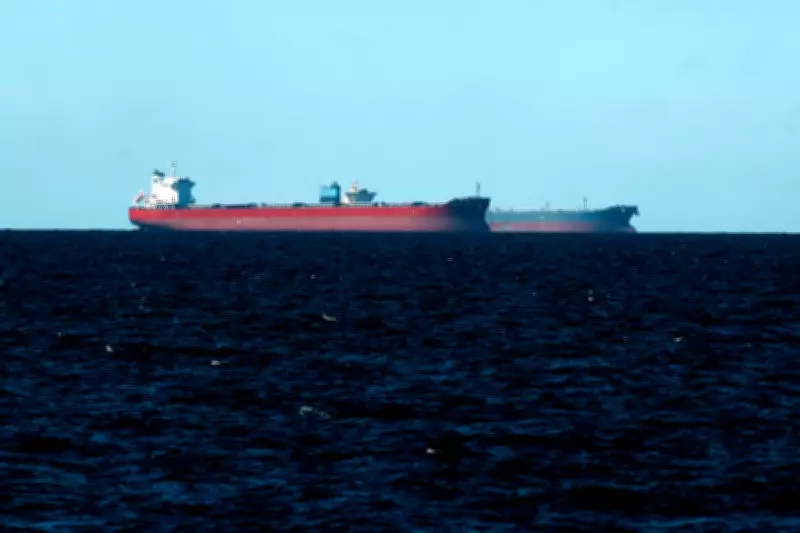
Two sanctioned Russian 'shadow fleet' oil tankers, identified as AURA 1 and INA, have been confirmed to have transited through British waters in the North Atlantic Ocean this week. This movement occurs despite recent government crackdowns and a stark warning from Sir Keir Starmer that British commandos could board such vessels, though no seizures have been reported to date.
Details of the Tanker Transits
AURA 1, which was sanctioned by the UK in February, entered British North Sea waters on Saturday. The vessel was en route from Russia to Egypt, navigating through a critical maritime corridor. Meanwhile, INA, sanctioned last May, entered the same waters on Sunday, travelling in the opposite direction from Egypt to Russia. Both tankers are part of a larger shadow fleet used by Russia to circumvent international sanctions, particularly those targeting its oil exports.
Evasion Tactics and High-Risk Operations
These vessels have a documented history of employing sophisticated evasion tactics to avoid detection and enforcement. Key methods include:

- Switching off automatic identification system (AIS) transmitters to obscure their locations and movements.
- Engaging in high-risk ship-to-ship transfers at sea, which allow them to transfer oil covertly and mask the origin of their cargo.
- Utilising complex routing patterns that exploit gaps in maritime surveillance.
Such tactics are designed to circumvent UK financial sanctions and pose significant risks to maritime safety and security in the region.
Government Response and Broader Context
The UK government has reiterated its firm stance against the shadow fleet, emphasising ongoing efforts to monitor and disrupt these operations. This transit follows declassified reports revealing increased Russian submarine activity near critical undersea infrastructure in the North Atlantic, including cables and pipelines. These developments highlight growing tensions and the strategic importance of securing British waters against foreign threats.
Sir Keir Starmer's announcement about potential boarding actions by British commandos underscores the seriousness with which the UK is treating these incursions. However, the lack of actual seizures so far raises questions about the practical challenges of enforcement in international waters. Authorities continue to track these vessels closely, but operational hurdles remain in intercepting them without escalating diplomatic tensions.
Implications for UK Security and Policy
The presence of these tankers in British waters not only tests the UK's sanctions regime but also signals broader geopolitical challenges. It reflects Russia's persistent efforts to bypass Western sanctions through clandestine maritime operations. As the UK strengthens its maritime defences, this incident may prompt further policy reviews and enhanced coordination with allies to bolster surveillance and enforcement capabilities in the North Atlantic.
In summary, the transit of AURA 1 and INA through UK waters serves as a stark reminder of the ongoing shadow fleet threat, despite governmental warnings and crackdowns. It underscores the need for robust, proactive measures to safeguard national interests and maintain the integrity of international sanctions against Russia.