SAS Veteran Condemns Boris Johnson's Ukraine Troop Proposal as 'Foolish Gamble'
A highly decorated former SAS soldier has launched a scathing critique of Boris Johnson's recent demands for immediate British troop deployment to Ukraine, labelling the suggestion a "foolish and escalative gamble" that fails to consider operational realities and legal consequences.
Veteran's Direct Experience Informs Criticism
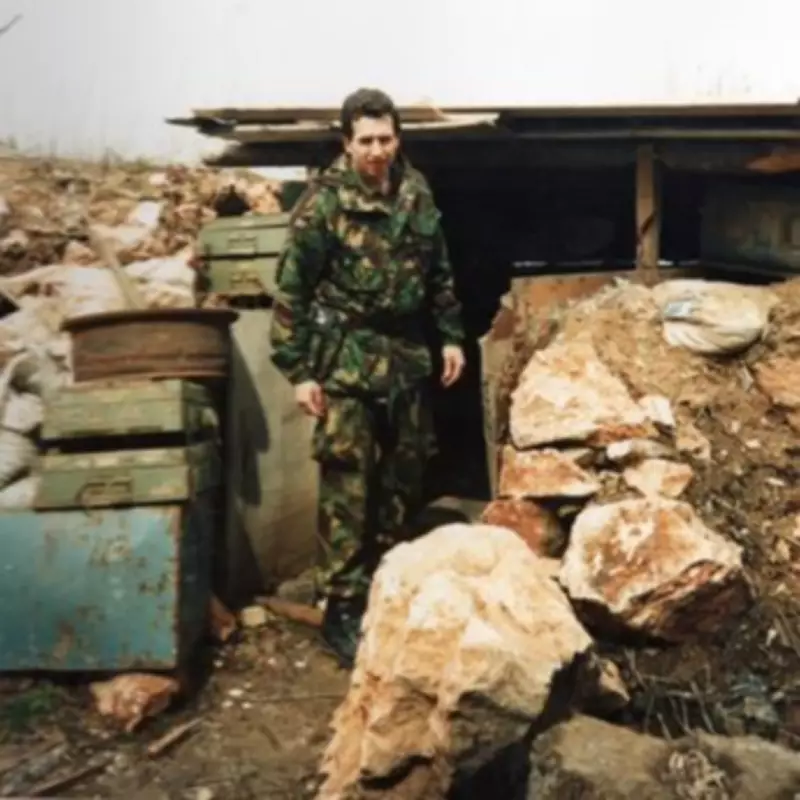
Robert Craft, who served fourteen years in the Special Air Service following his time as a paratrooper, brings extensive operational experience to his assessment. His career included high-level roles as a Joint Commission Observer during the Bosnian conflict, providing him with direct insight into the complexities of operating within active war zones and delicate political frameworks.
"People need to understand the reality on the ground," Craft emphasised, "that even if we send what are being called 'non-combat' troops to areas that seem safe right now, there is no such thing as a risk-free zone in a country that's still at war with Russia."

Operational Realities and Resource Constraints
Craft outlined the substantial logistical requirements that would accompany any troop deployment to Ukraine, stressing that current resources are insufficient for sustained operations. "Every single person we put there will need to be armed, will need armoured vehicles, logistics, medical support teams, evacuations and Response teams on standby, and will require a significant force protection package to keep them safe," he explained. "That takes resources we simply don't have to spare for long term operations right now."
Dangers Facing Potential Deployment
Drawing parallels to his experiences in Bosnia, where international forces navigated threats from multiple armed factions, Craft identified several specific dangers UK troops would face in Ukraine:
- Direct Russian military action designed to provoke NATO response
- Armed insurgent groups operating with plausible deniability from Moscow
- Persistent threats from drone strikes and cyber attacks
- Targeted assassinations against military personnel
"Having worked in Bosnia when tensions were running high between warring factions and international forces, I know first-hand how quickly a situation can spiral out of control," Craft warned. "We had to plan for every eventuality, and even then, threats emerged that nobody had foreseen."
Legal Concerns and Historical Precedents
The veteran expressed particular concern about the legal framework governing potential UK operations, noting that while European armies operate under the International Law of Armed Conflict, Britain continues to apply European Convention on Human Rights standards in conflict zones despite leaving the European Union.
"Confidence in Whitehall's ability to get this right is rock bottom among those of us who've been there and done it," Craft stated, referencing historical investigations into military conduct in Northern Ireland, Iraq and Afghanistan. "Brave men and women who put their lives on the line being dragged through the courts years, sometimes decades, after the fact."
Warning Against 'Lawfare' Consequences
Craft, who has previously spoken about veterans facing ongoing investigations over Northern Ireland service, warned that current approaches could leave future generations vulnerable to "lawfare" – legal challenges brought long after operations conclude.
"Imagine it's 2056 – thirty years from now," he proposed. "A soldier who served in Ukraine is in his fifties, trying to get on with his life. Then out of nowhere, he's hauled into court because someone claims he didn't properly consider ECHR rules when he shot an insurgent who was trying to kill him or attack his base."
Government Position Contrasts with Johnson's Demands
The criticism comes as Defence Secretary John Healey recently stated the government's position that British troops would only deploy to Ukraine "because this will mean that this war is finally over" following a negotiated peace agreement. This measured approach contrasts sharply with Johnson's more immediate demands for deployment.

Craft concluded with a firm recommendation: "Until there's a ceasefire negotiated between Ukraine and Russia, sending our troops in would be a step too far. They deserve clarity, they deserve proper protection both on the ground and when they come home, and they deserve a government that plans properly rather than making impulsive decisions that could have consequences for generations to come."