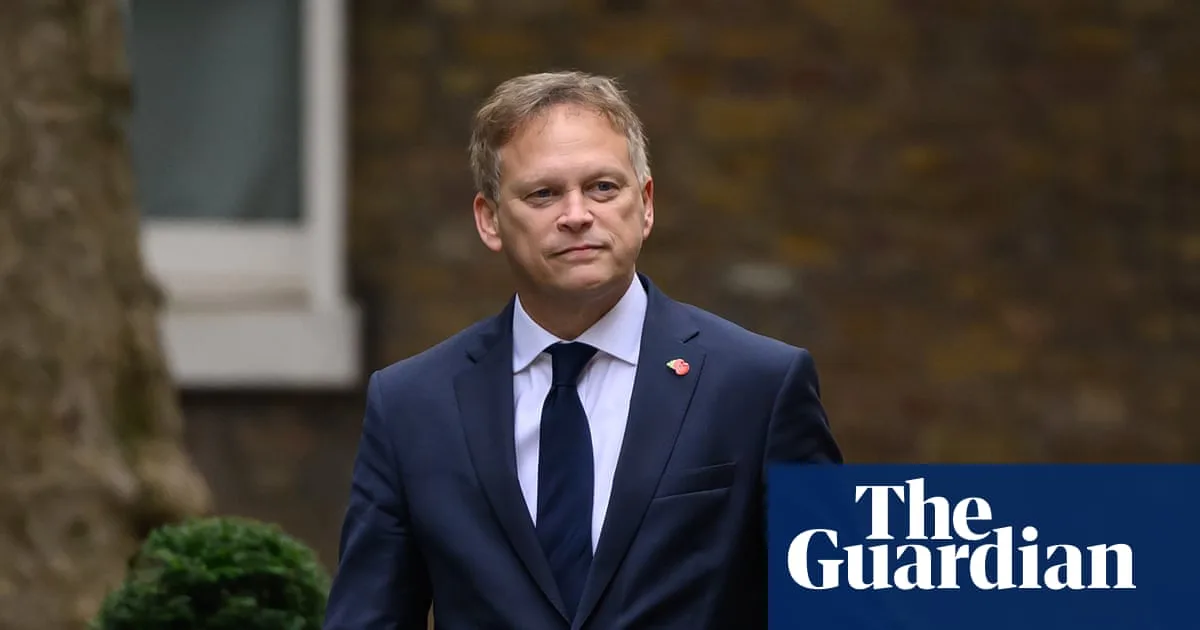
Former defence secretary Grant Shapps has defended the use of an unprecedented superinjunction to suppress a data breach that led to the UK government relocating 15,000 Afghans. Speaking on BBC Radio 4's Today programme, Shapps said his focus after the leak was on 'sorting out the mess and saving lives'.
The Afghanistan Response Route (ARR) was created in haste after it emerged that personal information about 18,700 Afghans who had applied to come to the UK had been leaked in error by a British defence official in early 2022. Details of members of the SAS and MI6 were among more than 100 Britons named in the database.
Shapps, who was defence secretary from 31 August 2023 to 5 July 2024 and was in post while the superinjunction was imposed, said: 'There were British special forces and secret services on that list. It seemed to me that if there was any doubt at all, that erring on the side of extreme caution, a superinjunction meant that that was entirely justified.'

The superinjunction lapsed on Tuesday, when a high court judge concluded the threat to the 18,700 Afghans was no longer very significant. Shapps said he was 'surprised' it had remained for 'so long', adding: 'I don't think it should have carried on as long as it had.'
Parliament's intelligence and security committee (ISC) said it would scrutinise what had happened after an inquiry announced by the Commons defence select committee. ISC chair Kevan Jones, also known as Lord Beamish, asked why 'material relating to the data loss' could not be shared with the committee early, noting 'serious constitutional issues'.
When asked if he supported calls for the publication of an intelligence assessment that formed the basis of the superinjunction, Shapps said: 'Yes, I would.' He added that the committee 'won't like' the secrecy but 'it was just so sensitive that if anything had got out at all, it would put those lives at risk'. Defence secretary John Healey offered a 'sincere apology' on behalf of the government for the data breach.