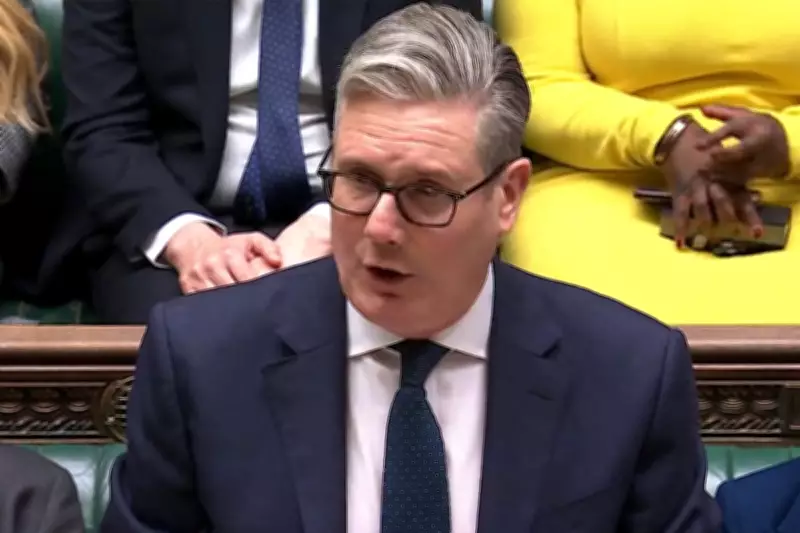
Starmer Confirms UK Base Use for US Strikes on Iran Amid Trump Row
Prime Minister Sir Keir Starmer has publicly defended his decision to permit the United States to utilise British military bases for conducting strikes against Iranian missile sites. This confirmation comes in the wake of sharp criticism from former US President Donald Trump, who expressed disappointment over the initial refusal and subsequent delay in granting access.
Trump's Disappointment and Starmer's Rebuttal
Donald Trump voiced his frustration, stating he was "very disappointed" with Sir Keir's handling of the request. Trump emphasised that it "took far too long" for the Prime Minister to change his stance and authorise the use of UK facilities. The controversy specifically centred on the Diego Garcia base, which the US sought to employ for targeting Iran's missile launchers and storage depots.
In response, Sir Keir Starmer firmly asserted that his primary duty was to assess and act in Britain's national interest, regardless of Trump's disagreement. The Prime Minister highlighted that his decision was based on a careful evaluation of strategic and security considerations, ultimately leading to the approval for US operations from British soil.

Strategic Implications and Broader Context
The row underscores ongoing tensions in international diplomacy, particularly concerning military cooperation and sovereign decision-making. Sir Keir's move to allow the strikes aligns with broader UK-US defence partnerships, yet it also reflects the complexities of balancing alliance obligations with independent national judgments.
This development occurs against a backdrop of heightened geopolitical activity in the Middle East, where Iran's missile capabilities have been a focal point of regional security concerns. The use of British bases for such operations marks a significant moment in UK foreign policy, demonstrating a willingness to support allied actions while navigating domestic and international scrutiny.
Sir Keir's stance has drawn attention to the nuances of leadership in crisis situations, where timely decisions must reconcile external pressures with core national priorities. As the situation evolves, the Prime Minister's handling of this matter will likely influence perceptions of UK reliability and strategic autonomy on the global stage.