Trump Calls for British Naval Support in Hormuz Amid Rising Iran Tensions
Former US President Donald Trump has issued a direct demand for Britain to dispatch warships to assist in defending the vital Strait of Hormuz, warning that failure to act could precipitate a global recession. This appeal comes despite Trump previously dismissing an offer of assistance from UK Labour leader Sir Keir Starmer earlier this month, claiming the war was already won.
Escalating Threats and International Alliances
The request was made on a day of heightened tensions, with Tehran threatening to deploy helicopters to kidnap US soldiers. Trump urged the UK to join an international naval force to forcibly reopen the blockaded Strait, where Iran has reportedly begun laying mines. This development coincides with confirmation from Iran's foreign minister, Abbas Araghchi, that his country is receiving ongoing military support from Russia and China, whom he described as strategic partners.
Recent attacks in the Persian Gulf region have seen at least six ships struck by projectiles or explosive-laden boats. The Strait of Hormuz is a critical choke-point, facilitating the passage of approximately one-fifth of the world's oil supply. Trump asserted that the US has already destroyed 100 percent of Iran's military capability but cautioned that Iran could still deploy drones, mines, or close-range missiles to threaten the waterway.

UK's Naval Response and Capability Concerns
In response, the UK Ministry of Defence stated it is discussing a range of options with allies to ensure regional shipping security. Last week, the UK deployed HMS Dragon, a Type 45 destroyer, to protect British military interests in Cyprus. However, reports suggest the Royal Navy's response has been hampered by operational limitations.
Only two of Britain's destroyers are currently deemed operational, with three others in deep maintenance. There was speculation that HMS Prince of Wales, the fleet's only deployable aircraft carrier, might be sent to the region after being placed on five-day readiness. Instead, it is expected to participate in a joint NATO operation in the Arctic.
Underlying Issues with Royal Navy Vessels
Concerns have emerged regarding the Royal Navy's ability to operate effectively in warm waters. HMS Dragon's deployment was delayed, partly due to fears that its sister ship, HMS Duncan, which was on standby, had not undergone a necessary Power Improvement Programme (PIP). This upgrade is designed to prevent turbine failures in warmer climates like the Mediterranean and Gulf.
The Type 45 destroyers, costing £630 million each, have historically faced engine problems in such conditions. Former First Sea Lord Admiral Lord West expressed astonishment at the lack of geopolitical foresight, noting a significant gap in warship presence between Singapore and Gibraltar.
Broader Regional Developments and US Strategy
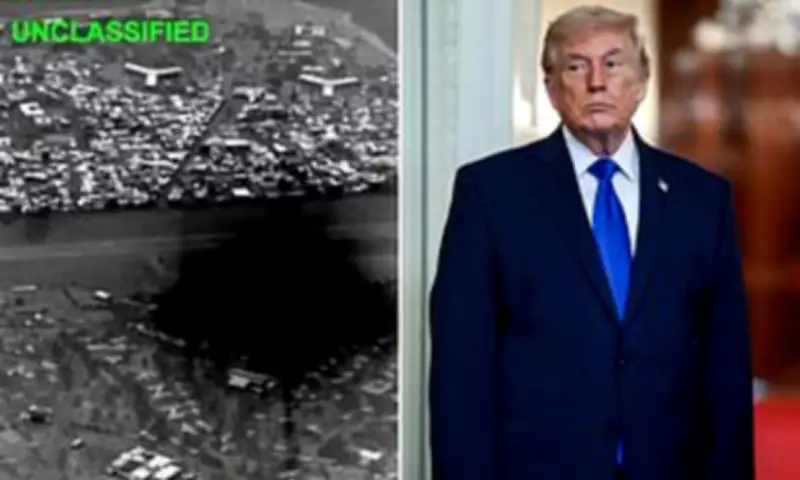
Trump's plea follows what he described as the most devastating bombing raid of the conflict, targeting military facilities on Iran's Kharg Island, a crucial oil terminal. US defence officials reported the destruction of naval mine storage, missile bunkers, and other sites, though oil infrastructure remained intact. Trump warned that this could change if Iran interferes with shipping.
Additional developments include the US deploying 5,000 more Marines and sailors to the region, with the USS Tripoli amphibious assault ship expected to arrive within two weeks. This vessel is equipped with F-35 fighters and attack helicopters, potentially for operations to secure shipping routes or seize Kharg Island.
Meanwhile, a former Iranian minister warned of helicopter raids to kidnap US forces if the US launches a land assault, and air strikes continued across the Middle East, including near Jerusalem. An Iranian official also cautioned UAE residents to avoid ports and US military areas.
In diplomatic efforts, Russian President Vladimir Putin reportedly proposed relocating Iran's enriched uranium to Russia during a call with Trump, an offer that was rejected. As tensions mount, Trump indicated that US warships would soon begin escorting oil tankers through the Strait, underscoring the urgent international response required to maintain global oil stability.