

Trump Administration Officials Identify Critical 'Tactical Error' in Iran War Buildup
Senior officials within the Trump administration have reportedly pointed to a significant tactical misstep made in the months leading up to the ongoing war with Iran. The error, they now acknowledge, was the decision to ignore a direct offer from Ukraine for battle-proven anti-drone defense assistance.
Ukraine's Unheeded Warning on Iranian Drone Threat
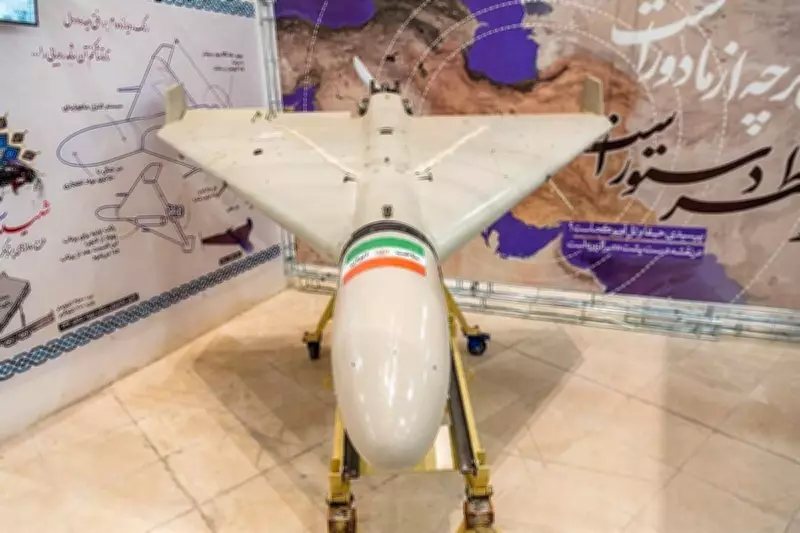
Midway through last year, Ukrainian officials attempted to alert the United States to the growing threat posed by Iran's low-cost, one-way Shahed attack drones. These unmanned aerial vehicles had become a cornerstone of Russia's arsenal in the war against Ukraine, and Kyiv had developed effective countermeasures.
During a closed-door meeting at the White House on August 18, 2025, Ukrainian President Volodymyr Zelensky personally presented the offer to then-President Donald Trump. The pitch included a detailed PowerPoint presentation, concluding with slides explicitly warning that these Iranian drones could pose a severe threat across the Middle East in a hypothetical future conflict.

"If there's a tactical error or a mistake we made leading up to this [war in Iran], this was it," a current US official told Axios, expressing regret over the initial dismissal of Ukraine's outreach.
A Proposal Lost in Diplomatic Tensions
President Trump reportedly instructed his team to examine the Ukrainian proposal. However, the offer stalled in the following months. Some elements within the administration reportedly viewed Zelensky's actions as political grandstanding, a perception possibly influenced by a previous, tense Oval Office meeting between the two leaders that had played out in front of news cameras.
That earlier encounter had devolved into an argument, with Trump accusing the Ukrainian leader of insufficient gratitude for US assistance. This backdrop of diplomatic friction may have contributed to the US sidelining a potentially crucial military collaboration.
The Cost of the Oversight Becomes Clear
The tables have turned dramatically. Iranian Shahed drones have since killed multiple US troops, presenting a larger-than-anticipated challenge for American air defense systems in the region. Military leaders briefed lawmakers last week, confirming that US defenses cannot intercept all of the low-cost, swarming drones.
Ukraine's counter-drone technology, honed through relentless experience against Russian forces, is now seen as a far more economical and effective solution than many high-priced, conventional air defense systems deployed at US and allied bases across the Middle East.
Current Efforts and Official Pushback
In response to the escalating threat, the US has now reached out to Zelensky for assistance. The Ukrainian leader has confirmed that his country has sent both drones and technical experts to help protect US bases in Jordan. Publicly, Ukraine continues to appeal to allied nations for more US-made Patriot missile systems to bolster its own defenses.
The US military has also introduced its own countermeasure, the so-called "Lucas" drones, which are modeled after the Iranian Shaheds. Separately, President Trump's sons, Eric and Donald Trump Jr., are reportedly backing a Florida-based drone company that could potentially supply the military.
The White House has pushed back against the narrative of a strategic blunder. Spokeswoman Anna Kelly told The Independent, "Iranian retaliatory attacks are down by 90 percent because their ballistic missile capabilities are being totally demolished. This characterization made by these cowardly unnamed sources is not accurate... Secretary Hegseth and the armed forces did an incredible job planning for all possible responses... and the undisputed success of Operation Epic Fury speaks for itself."
Despite the challenges posed by Iranian drones, the administration maintains that it has crippled much of Iran's military capacity and asserts that the increasingly unpopular war will conclude soon, though specific details and timelines remain vague.






