

In a significant development for transatlantic security, former President Donald Trump has announced a scaling back of United States involvement in NATO advisory structures. This decision comes amidst ongoing diplomatic friction over his controversial stated aim of acquiring Greenland, which he claims is vital for American national security interests.
Pentagon Withdraws from NATO Advisory Groups
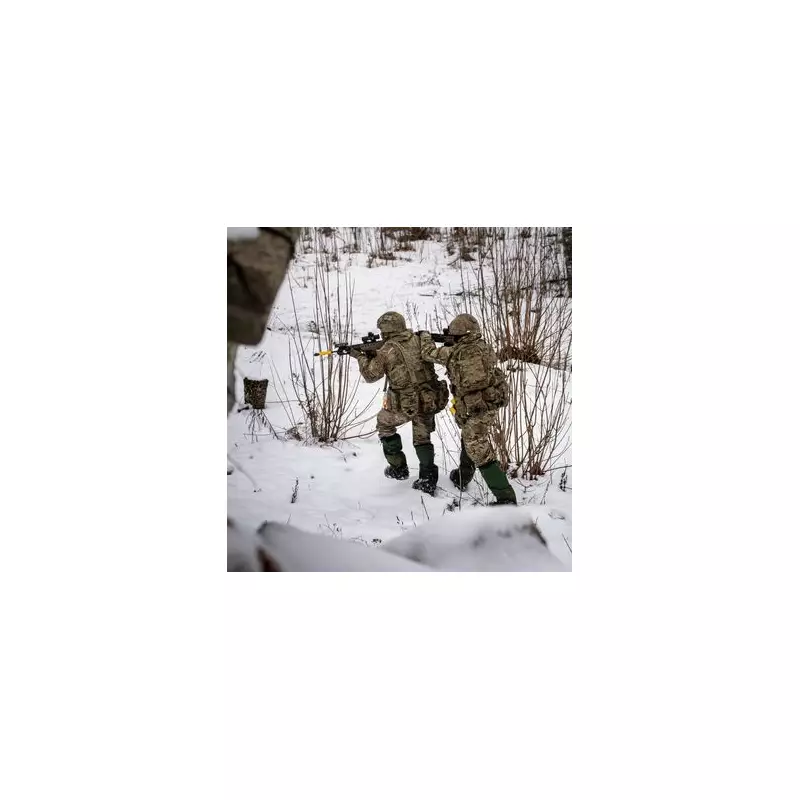
According to reports from The Washington Post, the Pentagon will substantially reduce its participation in a series of NATO advisory groups. Official sources indicate this is the latest manifestation of the Trump administration's persistent drive to curtail the US military footprint across Europe. The move is set to impact approximately 30 NATO Centres of Excellence, which are crucial institutions for training allied forces in specialised warfare domains such as naval combat.
Personnel Movements and Strategic Implications
The operational changes will see around 200 US military personnel stationed elsewhere. While this number is relatively small compared to the overall US force posture in Europe—which currently stands at roughly 80,000 troops—analysts warn the departure could have disproportionate strategic consequences. The concern centres on a potential "brain drain" of top-tier American military expertise from these key training and advisory hubs, potentially weakening alliance capabilities.

This follows a pattern of US military retrenchment in Europe under Trump, including the withdrawal of a brigade from Romania last year and funding cuts to security assistance programmes for the Baltic states bordering Russia.
Political Pushback and Legislative Constraints
Trump's latest directive is facing opposition within Washington. Lawmakers from both parties, including some Republicans, are reportedly working to secure funding for the diminished security aid programmes despite the Pentagon's new orders. Furthermore, Congress has enacted legislation requiring the Department of Defense to consult with lawmakers before implementing any major reductions to US military involvement in Europe.
This law specifically mandates congressional consultation if the total number of US troops in Europe were to fall below 76,000, providing a legislative check on further large-scale withdrawals.
Greenland Controversy Fuels Tensions
The NATO decision unfolds against a backdrop of heightened tensions between Trump and European allies over Greenland. The former president has repeatedly framed the acquisition of the autonomous Danish territory as a key security objective. In a recent social media post on Truth Social, Trump shared an incendiary AI-generated image depicting him planting an American flag on Greenlandic soil.
Another doctored photograph circulated, showing European leaders, including UK Prime Minister Keir Starmer, in the Oval Office examining a map where Greenland, Canada, and Venezuela were all covered by the American flag. These actions are set to further strain relations as Trump prepares for face-to-face meetings with European leaders at the upcoming World Economic Forum in Davos.
Alliance Burden-Sharing and Future Trajectory
Amidst these pressures, NATO member nations have agreed in principle to increase their defence contributions, aiming to reach five per cent of GDP over the next decade. This commitment reflects the sustained pressure from the Trump administration for European allies to shoulder a greater share of the collective defence burden. The long-term impact of the US advisory withdrawal on alliance cohesion and military readiness remains a critical question for policymakers on both sides of the Atlantic.






