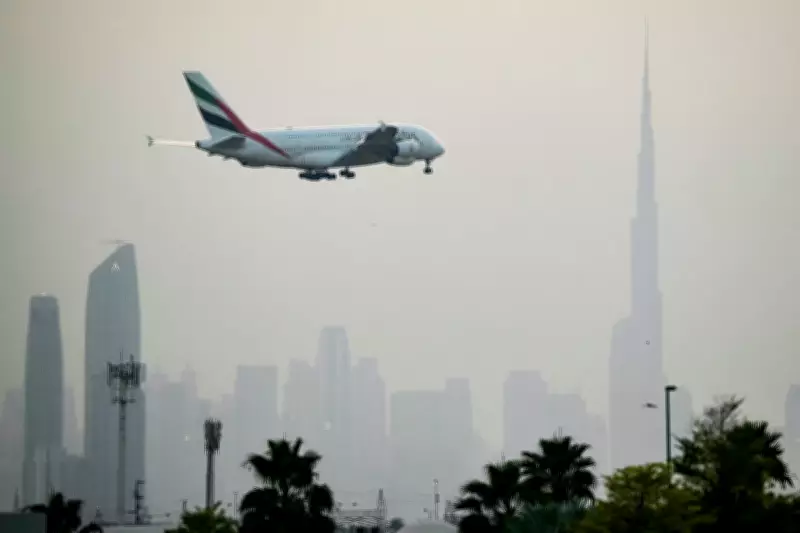
UAE Prepares to Join US Military Coalition to Reopen Strait of Hormuz
The United Arab Emirates is reportedly preparing to join the United States in military action to forcibly reopen the strategically vital Strait of Hormuz, according to Arab officials cited by the Wall Street Journal. This represents a significant escalation in the Gulf state's involvement in regional conflicts, marking a decisive departure from its traditionally cooperative diplomatic stance.
Diplomatic Push for International Coalition
Emirati diplomats are actively lobbying European and Asian military powers to form a broad international coalition with the United States to secure the strait. The UAE has experienced more than 2,000 drone and missile attacks since 28 February, resulting in at least 11 fatalities according to the Emirati defence ministry. These sustained assaults have prompted the Gulf state to reconsider its strategic position and military commitments in the region.
The UAE government has reportedly reviewed its capacity to contribute to controlling the critical waterway, including supporting mine clearance operations and other naval activities. Additionally, Emirati officials are pushing for a United Nations Security Council resolution to authorize the proposed military action, with Bahrain sponsoring the resolution and a vote projected for Thursday.

Strategic Shift and Regional Implications
This new militaristic posture represents a dramatic change from the UAE's previous role as a diplomatic mediator. Before the conflict escalated, Emirati diplomats were actively facilitating negotiations between the United States and Iran, including hosting visits by Iranian national-security officials. However, according to the Financial Times, the UAE has been seeking an international maritime coalition since last week as it bears the increasing burden of the Gulf war's economic and security consequences.
The policy shift appears to have alarmed Tehran, with Iranian strikes intensifying in recent days after several weeks of limited attacks. The variation in Emirati approach reflects Abu Dhabi's growing concern about the war's long-term impact on its economy, particularly the destabilization of its tourist industry and disruption to Dubai's position as an international aviation hub.
Economic Consequences and Military Support
Iranian attacks have significantly undermined Dubai's booming property market and broader economic stability. While certain aspects of normalcy continue, such as the Dubai World Cup horse race on 28 March, government measures including a 1 billion dirham economic support package suggest waning market confidence. The Gulf state would reportedly support US occupation of islands in the strait, including Abu Musa, which has been held by Tehran for fifty years and is claimed by the UAE.
Saudi Arabia and other Gulf states recently subjected to heavy Iranian bombardment of their oil and gas infrastructure have also increased their opposition to Tehran, according to Arab officials. However, they have yet to offer military support for an operation to reopen the strait. Pursuing a more aggressive policy against Iran carries substantial risks, with Tehran threatening to destroy any civilian infrastructure supporting attempts on its territory.
Defensive Posture and International Cooperation
In response to reports of the new approach, an Emirati official stated that the country maintains a defensive posture and remains ready to support collective international efforts aimed at safeguarding maritime security and ensuring the uninterrupted flow of commerce through this critical global shipping lane. The potential UAE involvement would make it the first Gulf state to become a direct combatant in efforts to reopen the strait, representing a pivotal development in regional security dynamics.