UK Defence Capabilities Under Scrutiny After Drone Breaches RAF Akrotiri Air Defences
Serious questions have emerged regarding Britain's capacity to protect its strategic bases in the Middle East from Iranian-backed attacks, following years of chronic underinvestment in the Armed Forces. The vulnerability was starkly highlighted when a drone successfully penetrated the air defences of RAF Akrotiri in Cyprus on Sunday night, with two additional drones reportedly intercepted and brought down.
Minimal Damage But Major Concerns
Officials have described the physical damage from the incident as 'minimal' and confirmed there were no casualties. However, the mere fact that the drone managed to strike the base has illuminated potential critical gaps in the forces' defensive capabilities. This event has triggered urgent reassessments of national security preparedness in a region increasingly volatile.
Government Response and Current Deployments
Foreign Secretary Yvette Cooper addressed the situation yesterday, stating that additional defensive assets had recently been deployed to bases in Cyprus. These reinforcements include advanced radar systems, counter-drone technology, F-35 fighter jets, and ground-based air defence units. Despite these measures, the UK's larger, strategic air defence assets remain conspicuously absent from the theatre, forcing the nation to increasingly rely on allied support for comprehensive protection.

Royal Navy's Operational Shortfalls
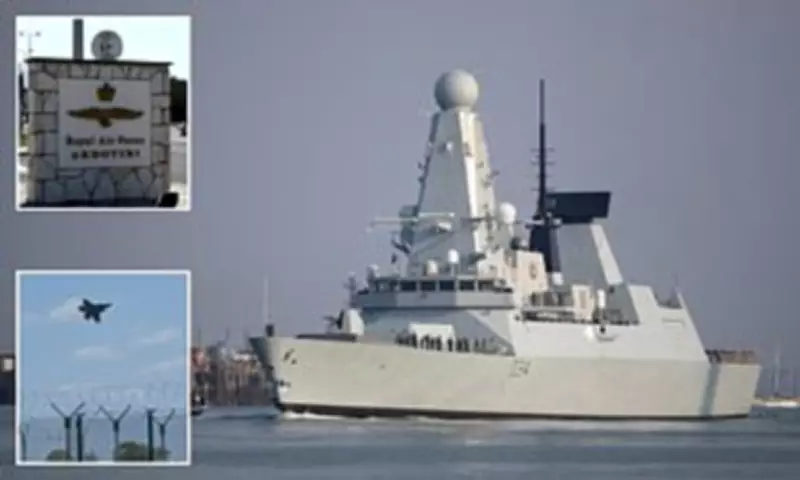
The Royal Navy possesses six Type 45 destroyers, vessels specifically designed for robust air defence roles. In a concerning revelation from January, Defence Minister Vernon Coaker confirmed that only three of these destroyers are currently operational. Recent reports indicate an even grimmer picture: only one, HMS Duncan, is actively at sea. The other two operational vessels are reportedly docked at HMNB Portsmouth, while the remaining three are undergoing lengthy engine upgrade programmes. HMS Daring, the lead ship of its class, has been out of action for nearly nine years.
International Comparisons and Embarrassment
Adding to the strategic embarrassment for the UK, the French Navy has proactively ordered its Charles de Gaulle aircraft carrier strike group to deploy to the Eastern Mediterranean. Furthermore, Greece has committed to sending two frigates and fighter jets to assist in the defence of Cyprus. These moves underscore a growing dependency on European partners to fill capability gaps left by British forces.
Expert Criticism and Warnings
John Foreman, the former UK defence attaché in Moscow, voiced severe criticism on social media platform X. He argued, 'The current situation in the Gulf and Mediterranean isn’t just about underfunding. It’s about a lack of foresight, judgment and timidity by the MoD to think through the scenario. We have many useful assets, they’re just not in the right place.' Foreman added a stark warning, noting the proximity to a potential major loss of British military life and labelling the Ministry of Defence's planning for such predictable scenarios as 'shameful'.
Details of the Attack and Regional Tensions
The attack on Akrotiri, which hosts over 3,500 British personnel and their families, involved a so-called 'kamikaze' drone at midnight. Security sources suggest all drones were launched by Iran-backed Hezbollah terrorists operating from Lebanon, approximately 120 miles away. Major General Ebrahim Jabari, a senior commander in Iran's Islamic Revolutionary Guard, explicitly stated on state television that RAF Akrotiri is 'in the frame' for retaliation, citing the UK's permission for the US to use British bases for attacks against Iran.
Political and Diplomatic Fallout
Prime Minister Sir Keir Starmer has insisted that he only agreed to US requests to utilise British military bases for strictly 'defensive' strikes. Foreign Secretary Yvette Cooper reinforced this position, asserting it was not in the UK's interests to participate in former President Donald Trump's offensive actions. In response to the escalating tensions, Cyprus has formally demanded assurances from the UK that RAF bases will be used solely for 'humanitarian' activities moving forward.

Broader Strategic Vulnerabilities Exposed
The incident has also cast doubt on Britain's ability to take proactive, deterrent measures to prevent Iran from launching missile attacks against UK allies in the region. Reports indicate that just one of the five Astute-class attack submarines, which are armed with cruise missiles, is currently at sea. That vessel, HMS Anson, is presently in Australia, engaged in promotional activities for a submarine building agreement. Its deployment includes weeks of scheduled 'training activities and joint maintenance', including work on hydraulic systems and simulated emergency exercises, rather than being positioned for immediate operational readiness in conflict zones.
This confluence of events—a successful drone strike, limited naval readiness, reliance on allies, and critical expert commentary—paints a troubling picture of the UK's current defence posture. It raises fundamental questions about strategic planning, resource allocation, and long-term military sustainability in the face of persistent and evolving threats from state and non-state actors in the Middle East.