

UK Defence Secretary Condemns Iran's 'Evil' Regime Amid Regional Strikes
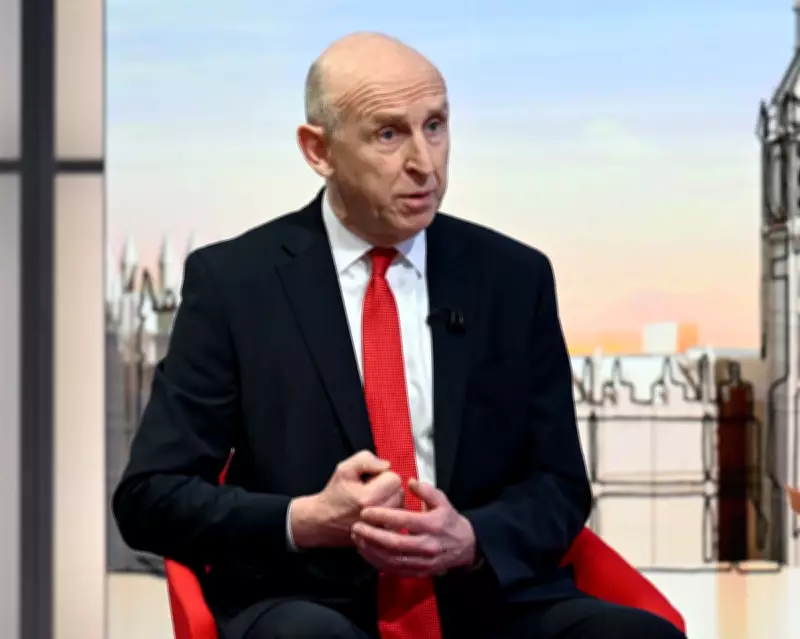
Defence Secretary John Healey has issued a stark warning about the "very real and rising threat" posed by Iran, describing its regime as "evil" and stating that few will mourn the death of Supreme Leader Ali Khamenei. This comes in the wake of US and Israeli airstrikes that have ignited a fierce debate within British political circles.
Healey's Strong Condemnation of Iranian Actions
In a series of media appearances, the senior cabinet minister accused Iran of menacing the West through its sponsorship of at least twenty terror plots targeting the United Kingdom, alongside active involvement in proxy conflicts. Healey emphasised that the Iranian leadership has been a source of evil, responsible for murdering its own citizens and exporting terror globally.
While Healey refrained from directly criticising the recent US and Israeli military actions, he clarified that it is "for the US to set out and explain" the legality of their operations. He also declined to comment on the UK's decision not to permit the use of its military bases for these strikes, distancing the nation from the offensive while underscoring a defensive posture.

Iran's 'Indiscriminate' Retaliation and UK Defence Measures
The Defence Secretary highlighted Iran's retaliatory strikes as "indiscriminate," citing attacks on hotels in Dubai and Bahrain, as well as an airport in Kuwait. In response, Healey confirmed that UK military aircraft are actively deployed across the Middle East to protect British citizens and interests, intercepting missiles that pose a threat.
He urged Iran to dismantle its weaponry and return to diplomatic negotiations, framing the current situation as a critical juncture for regional stability. His remarks reflect a government strategy focused on defensive operations amid escalating tensions.
Divided Political Reactions in the UK
The US and Israeli airstrikes have sparked significant division among UK politicians. Emily Thornberry, Labour chair of the foreign affairs committee, condemned the attacks as a breach of international law and expressed relief that the UK was not involved. Similarly, Green Party leader Zack Polanski denounced the assassination of Ayatollah Khamenei, arguing there is no justification for such bombings.
In contrast, Shadow Foreign Secretary Priti Patel criticised Labour leader Keir Starmer for failing to offer stronger support to the US and Israeli operations, calling his stance "astonishing." Reform UK's Nigel Farage echoed this sentiment, urging the Prime Minister to reconsider the use of UK military bases and back American efforts against Iran.
The Legacy of Ali Khamenei and Future Implications
Healey's comments on Khamenei's death underscore a broader condemnation of his decades-long rule, citing the regime's brutality against protesters and its destabilising influence. As the UK navigates this complex geopolitical landscape, the Defence Secretary's warnings signal a heightened state of alert and a commitment to safeguarding national security against what he terms a "lashing out" regime.
The ongoing developments highlight deep fissures in UK foreign policy opinions, with debates over legality, morality, and strategic alliances likely to intensify as the situation evolves.






