UK defence spending has increased by £1.5bn to a total of £15bn over the next few years, following the resignation of former Defence Secretary John Healey over a funding shortfall. The new figure, announced by his successor Dan Jarvis, remains significantly below the £28bn that service chiefs had demanded by the end of 2029 to counter threats from Russia.
Healey's resignation and funding gap
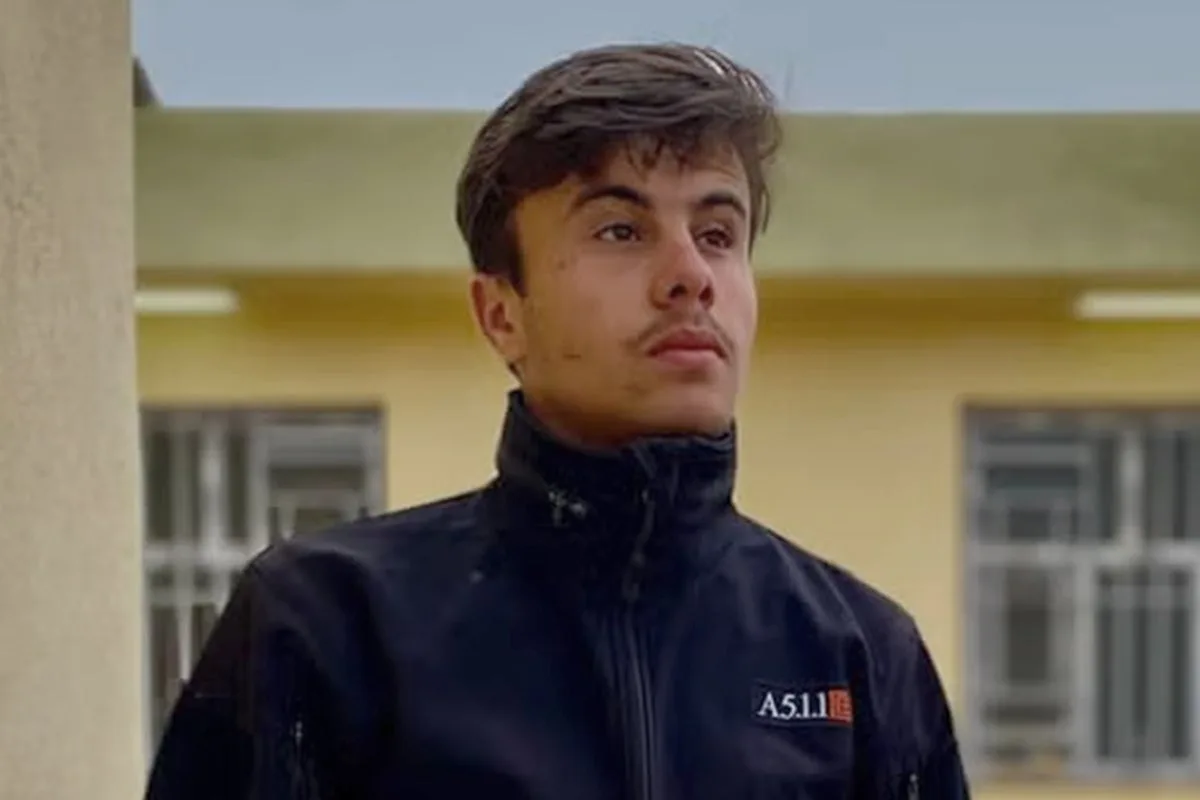
John Healey quit as Defence Secretary just weeks ago after a dispute over military funding. Sources indicate he may have stayed if the Defence Investment Plan had included an increase of £18bn. The original offer was £13.5bn, far short of the £28bn needed, leading Healey to resign from a role he was deeply committed to.
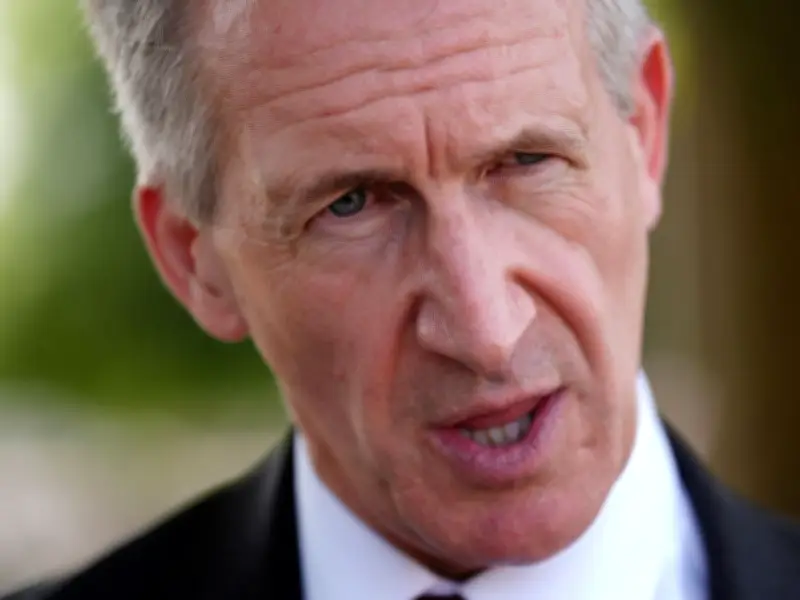
The new Defence Secretary, Dan Jarvis, a former Parachute Regiment officer, has now announced a total increase of £15bn. While this is an improvement, most observers believe it is still insufficient. Service chiefs had repeatedly warned that the Kremlin could be ready for war by 2030, necessitating a £28bn investment by the end of 2029.

Drone warfare and modernisation
A significant portion of the new funding—£5bn—is earmarked for drone warfare capabilities across air, land, sea, and undersea domains, including unmanned craft for surveillance and attack. This emphasis reflects lessons from Ukraine, which has become the world leader in drone warfare after four years of conflict with Russia. Ukrainian forces, once trained by the UK, are now sharing their expertise with Western allies.
Industry insiders stress the urgency of joining the drone warfare arms race. The rapid evolution of warfare, demonstrated by Ukraine's ability to cripple Russian oil and gas installations with drones, has prompted the Ministry of Defence to play catch-up. Supporters of Healey had called for boosts to drone capability, and some funding has now been allocated, though it may be quickly consumed.
Army personnel and efficiency measures
The Defence Investment Plan acknowledges the need to increase the Army's regular component to 76,000 personnel, but this target has been difficult to achieve since the privatisation of recruitment over a decade ago. The plan states: "Major investments through 2030-35 include increasing the Army's regular component to 76,000 personnel."
Efficiency savings are being made across the military. For example, the Army's Wildcat helicopters are being reduced by roughly half, with 34 of these battlefield troop carriers retired. One source said: "This is another lesson learned from Ukraine - it was not a useful, efficient method of carrying troops into battle so they are being retired." This marks a shift towards forensically examining defence spending to fund only what is needed.
Outlook and concerns
There is an urgent but informed atmosphere in defence circles, and the government has responded to pressure while maintaining control. Many, including John Healey, believe the current increase is probably not enough. Whether the government has gambled with national security may become clear within three years.