UK Engineers Operate Secret Repair Facility in Ukraine
In a covert location in western Ukraine, British and Ukrainian engineers collaborate to restore damaged military equipment, including British-donated howitzers, in a facility that has remained undisclosed until now. This site, along with three others in Ukraine, represents a significant effort by the UK to support Kyiv's defence capabilities directly on Ukrainian soil.
Exclusive Access Reveals Unprecedented Support
The Guardian was granted exclusive access to this facility during a visit by UK defence minister Luke Pollard, marking the first time media have been allowed to view the operation. Pollard emphasised that this initiative demonstrates Britain's willingness to undertake tasks that "no other nation has been willing or able to do." While no British military personnel are present, engineers from companies like BAE Systems and AMS, contracted by the Ministry of Defence, work in-country, bypassing the delays caused by other nations preferring to repair equipment outside Ukraine for safety reasons.
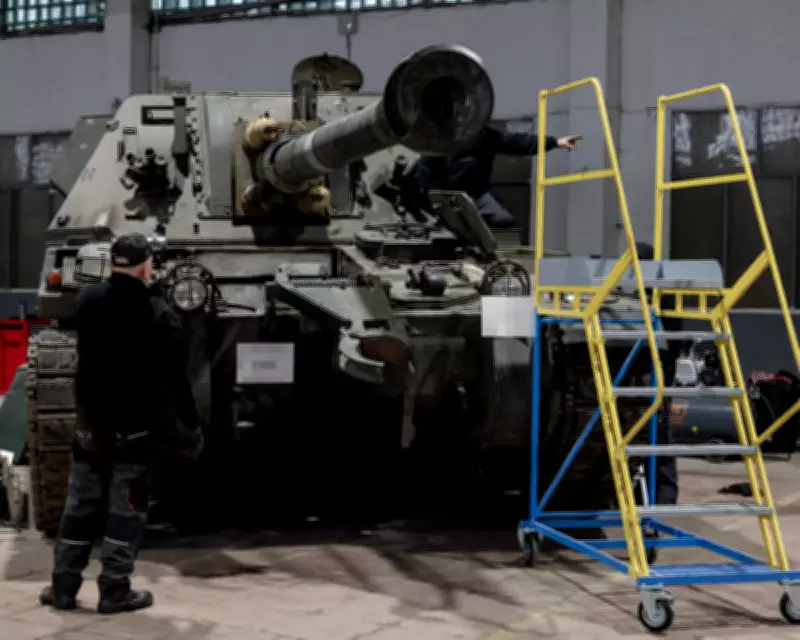
The facility features repair bays for up to 30 vehicles and can handle various weapons systems, such as the British-made AS-90 self-propelled howitzers. Originally slated for withdrawal from British service in the 2030s, the entire stock of AS-90s has been donated to Ukraine in recent years. Pollard acknowledged the risks of operating inside Ukraine but stated it is a "risk worth taking and managing" to aid Kyiv's fight against Russian aggression.

Innovative Approaches to Obsolete Equipment
Many Ukrainian engineers hired for this project previously worked at military enterprises damaged or destroyed in the conflict, and they are now being trained to maintain foreign-donated equipment. With much of Ukraine's arsenal being obsolete, new supply chains for spare parts have been established. For instance, BAE Systems used technical drawings for the AS-90, but for Soviet-era systems like the Tunguska anti-aircraft platform and T-72 tanks, engineers visited the Bovington tank museum in Dorset to study displayed vehicles and devise methods to manufacture parts in the UK.
Additionally, Swedish Archer artillery systems are repaired at the facility under a cooperation agreement where Sweden funds the work, and British and Ukrainian engineers perform the repairs. Pollard expressed hopes to expand this project to more sites and involve additional countries, aiming for a structured approach where any nation donating equipment can integrate into the system.
Implications for Post-War Support
This facility offers insights into potential western support for Ukraine after a peace deal. A "coalition of the willing" has formed, with nations prepared to provide security guarantees to prevent future Russian attacks. While Ukrainian President Volodymyr Zelenskyy has advocated for western troop deployments post-war, UK defence secretary John Healey has suggested British troops might be sent, though not to engage Russian forces directly. Pollard stressed that a strong Ukrainian army is the real deterrent, highlighting the focus on regenerating hardware and training troops.
Currently, Ukrainian units use equipment "to the point of destruction," and post-ceasefire efforts will aim to rapidly restore front-line assets. Pollard concluded that the UK's role in the coalition involves preparing infrastructure to regenerate Ukrainian armed forces immediately upon peace, ensuring readiness from day one.