British Forces Neutralise Over 40 Iranian Drones in Middle East Conflict
British pilots and gunners have successfully destroyed more than 40 Iranian drones since the onset of the current Middle East conflict, according to a significant announcement made this afternoon. Armed Forces Minister Al Carns disclosed this striking figure while commending the exceptional efforts of RAF, Royal Navy, and ground-based teams whose actions have undoubtedly saved countless lives across the region.
Mirroring Russian Tactics
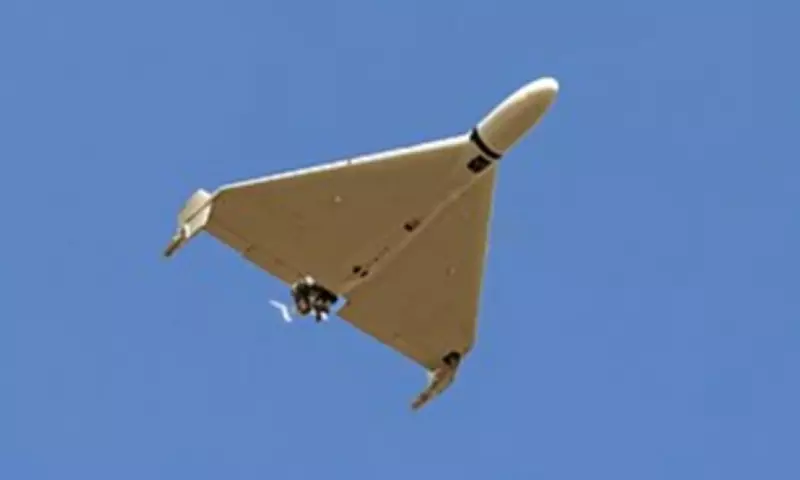
The one-way suicide drones, primarily Shahed models, would have inflicted severe devastation throughout the Middle East had UK forces not intercepted their flights. Officials noted that Iran is employing tactics reminiscent of Russian strategies in Ukraine, deploying large numbers of inexpensive, "dumb" drones to overwhelm defensive systems. This tactic aims to create openings for ballistic missiles to penetrate protective shields, posing a complex challenge to regional security.
For security reasons, the Ministry of Defence has declined to specify the exact locations where British teams have engaged these drones or the particular weapons systems utilised. However, it is understood that British personnel have been actively operating in areas including Cyprus, northern Iraq, and various Gulf states, demonstrating a broad operational footprint.

Cost-Effective Threats and Operational Details
Shahed drones, which cost a mere £20,000 to produce, are mass-manufactured by Iran and Russia, making them a prolific and economical threat. Minister Carns emphasised the gravity of the situation, stating, "We live in very dangerous times, with a 30 per cent increase in Russian activity and a developing crisis in the Middle East." He highlighted that pilots have completed over 650 flight hours, neutralising more than 40 drones and preventing significant loss of life.
Plans for Strait of Hormuz Escorts
In addition to drone interceptions, the UK is engaged in discussions with European allies regarding plans to escort commercial vessels through the strategically vital Strait of Hormuz. Carns confirmed that such operations would only proceed following a ceasefire between Iran and the United States and Israel. As part of these preparations, specialist UK maritime planners have been deployed to the United States Central Command (CENTCOM) headquarters to coordinate efforts.
Defence officials described the current security landscape as "hugely complex", far more so than during the 1987 "tanker wars." At that time, escorting cargo ships and oil tankers required a fleet of 30 warships to counter conventional threats. Today, the array of dangers includes diverse and asymmetric threats such as drones, magnetic and acoustic devices, and fast attack craft, necessitating a multifaceted response.
Collaborative and Multinational Efforts
Carns elaborated on the challenges, noting, "We are in the very early stages of conceptualising what this operation could entail. The Secretary of State has held discussions with E5 partners. This would be a full-scale, multinational, and collaborative endeavour, deeply complex due to the multitude of threats." He pointed out that Iran's rugged coastline provides cover for small attack teams, further complicating defensive measures.
Behind the scenes, the UK is collaborating closely with allies, including the United States, on military, intelligence, and diplomatic fronts. An official downplayed any operational issues with American counterparts, stating, "These relationships are well-established. We have maintained planners at CENTCOM for decades and have recently dispatched specialists. We will continue to provide options to decision-makers as the situation evolves."
Looking ahead, escorting vessels through the Strait of Hormuz will demand more than traditional warships. Carns indicated that a combination of crewed and uncrewed aerial and subsurface systems will be essential, though specific details remain classified for security reasons. This comprehensive approach underscores the UK's commitment to adapting to modern warfare dynamics and safeguarding international maritime interests.