UK Defence Minister Flies to Cyprus to Ease Tension Over Drone Strike on RAF Base
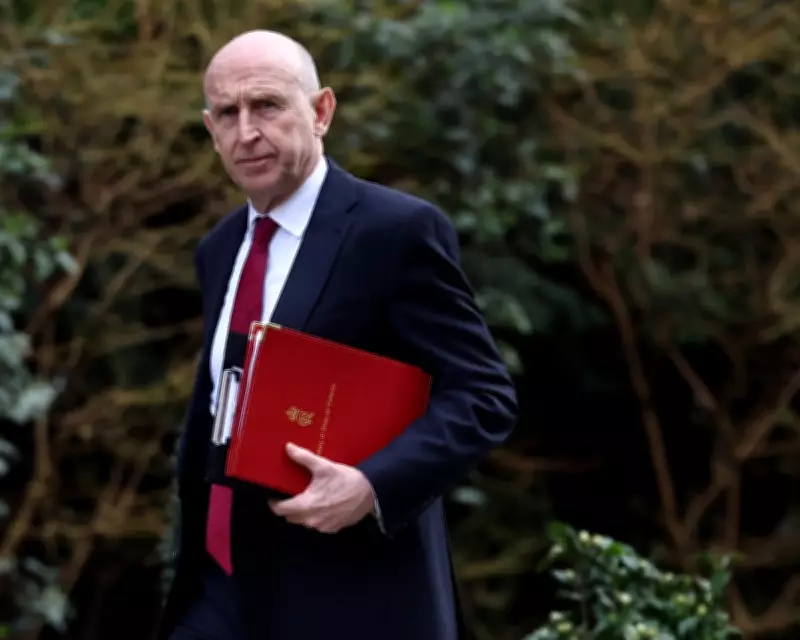
John Healey, the UK defence minister, flew into Cyprus on Wednesday night in a bid to calm the diplomatic fallout following a drone attack that evaded detection and struck an RAF base on the island. The visit comes amid a significant backlash from Cypriot officials over the incident, which has led to the evacuation of families and heightened security measures.
Details of the Drone Attack
UK officials believe that the drone, a Shahed-type model used as a one-way attack vehicle, was launched by pro-Iranian militia in Lebanon or western Iraq. It evaded detection by flying low and slow, hitting RAF Akrotiri during the Iranian retaliatory bombardment over the weekend. This attack occurred after the US and Israel launched strikes on Iran, resulting in the death of Ayatollah Ali Khamenei, the country's supreme leader.
An investigation has been unable to conclusively determine the exact launch location of the drone. The attack on Sunday, along with two others intercepted on Monday morning, is likely attributed to Hezbollah, a Shia militia group backed by Iran. Although there were no injuries and damage was limited, the failure to prevent the drone from hitting the base has sparked anger within the Cypriot government.

Diplomatic Fallout and Cypriot Response
The drone strike marks the first against a British military installation on Cyprus in 40 years. Keir Starmer, the UK prime minister, stated that the drone was launched before the UK announced on Sunday evening that it would allow the US to use two of its bases for defensive actions against Iran. However, no RAF bases on Cyprus are currently being used by US bombers.
Kyriacos Kouros, the Cypriot high commissioner in the UK, expressed disappointment over British failures to warn people on the island of the impending strike. He told BBC Newsnight, "Let's say the people are disappointed, the people are scared, the people could expect more cooperation with the government of Cyprus to safeguard that such incidents won't happen again."
Cyprus President Nikos Christodoulides openly criticised the failure to stop the drone, emphasising that the country has no intention of participating in any military operation. His spokesperson, Konstantinos Letymbiotis, added on Tuesday, "This is something that we must say we view with dissatisfaction," noting concerns over the UK's communication and lack of timely warnings to citizens near the Akrotiri bases.
Military Support and Evacuations
In response to the attack, the UK has deployed a Royal Navy destroyer, HMS Dragon, expected to arrive in Cyprus next week, along with two Wildcat helicopters equipped with counter-drone capabilities. Defence sources indicate that these helicopters will enhance the ability to spot and intercept low-flying drones similar to the one that evaded detection.
Additionally, both France and Greece have provided military support to Cyprus, including F-16 fighter jets and anti-missile and anti-drone systems. Families have been evacuated from RAF Akrotiri and several other areas, with expectations that they will remain away from the base for an extended period.
The bolstering of defences and ongoing diplomatic efforts aim to address the tensions and prevent future incidents, as Cyprus and the UK navigate this complex security challenge.