UK Withholds Military Support in Hormuz Until US and Israel Halt Iran Attacks
British forces will not be deployed to the Strait of Hormuz until the United States and Israel cease their offensive operations against Iran, according to sources today. Prime Minister Keir Starmer is poised to reject calls from US President Donald Trump for assistance in patrolling this critical maritime channel, through which approximately one-fifth of global oil supplies transit, until active hostilities have subsided.
International Law and UN Resolution Concerns
The Prime Minister is also reportedly seeking assurances that any military action would not violate international law, with indications that this might necessitate a United Nations resolution. This UK stance is crystallising after President Trump expressed frustration with NATO allies overnight, as worldwide anxiety mounts over the repercussions of Iran's blockade of the Strait.
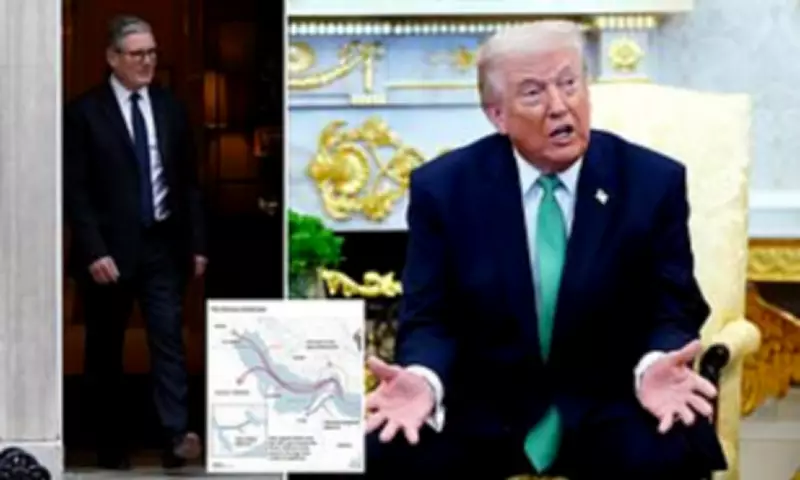
In a recent impromptu press conference at the Oval Office, Mr Trump labelled Sir Keir "disappointing," reiterating his critique that the British leader is "no Churchill" while gesturing toward a sculpture of the wartime prime minister. He also targeted French President Emmanuel Macron, predicting he would be "out of office very soon" after Paris unequivocally declined US requests for help in reopening the Strait.

Government Sources Cite 'Too Hot' Conditions
A government insider informed The Times that the Strait of Hormuz is currently "too hot" for a UK deployment aimed at safeguarding commercial shipping. "Once the offensive attacks and retaliation are over, you can look at supporting the safe opening of the area for shipping," the source stated.
With the conflict now entering its third week, oil prices have remained elevated above $100 per barrel due to Tehran's ongoing blockade. The impact is already palpable in the UK, with fuel pump prices soaring and fears that the energy price cap could spike significantly in July.
Public Opposition and Political Reactions
Opinion polls indicate that the British public is strongly opposed to US military actions and alarmed about the economic fallout. Sir Keir emphasised on Monday that the UK will not be drawn into a "wider war," noting he is collaborating with European partners to develop a "viable collective plan" to restore navigation in the region.
Potential UK contributions might include mine-hunting drones rather than warships, though the Prime Minister stressed that no final decisions have been made. Conservative leader Kemi Badenoch has criticised Sir Keir's handling of the crisis but nonetheless dismissed the president's personal attacks as "wrong," describing the verbal exchanges as "very childish."
Reform's Robert Jenrick also commented, expressing disapproval at seeing a British prime minister "berated" publicly. Meanwhile, Israel announced it had eliminated two senior Iranian security officials—Ali Larijani, secretary of Iran's Supreme National Security Council, and General Gholam Reza Soleimani, head of the Revolutionary Guard's Basij force—in a significant strike aimed at weakening Iran's leadership.
Tehran has confirmed both killings and responded with missile and drone barrages targeting its Gulf Arab neighbours and Israel, escalating regional tensions further.