

UK Bolsters Cyprus Base with Stealth Fighter Deployment Amid Regional Tensions
Britain has deployed six advanced F-35B stealth fighter jets to RAF Akrotiri in Cyprus, a strategic move driven by escalating concerns over potential US military action against Iran. The sophisticated aircraft departed from their home base at RAF Marham on Friday, tasked with a critical defensive mission to protect the sovereign base territories should regional tensions intensify further.
Integrated Air Power in the Eastern Mediterranean
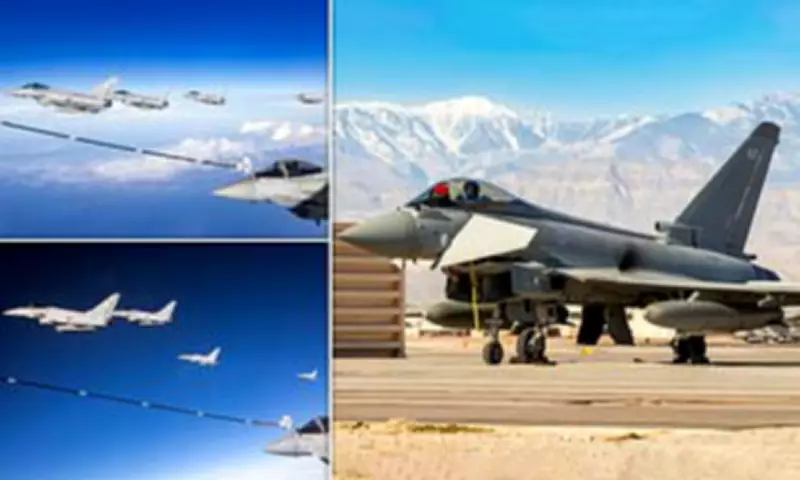
The newly arrived F-35B jets will operate alongside Typhoon fighter aircraft already permanently stationed in Cyprus as part of Operation Shader, the UK's ongoing campaign against remnants of the Islamic State. This deployment creates a layered air defence and strike capability, with the F-35Bs assuming defensive roles while the Typhoons continue their offensive missions against terrorist targets.
This reinforcement follows last month's dispatch of four Typhoons from the joint UK-Qatar No 12 Squadron to Qatar, a deployment made at the specific request of Doha's government. The simultaneous strengthening of British air assets across multiple Middle Eastern locations underscores the region's heightened military alert status.

Diplomatic Maneuvers Amid Military Buildup
For several weeks, the United States has been steadily increasing its military footprint across the Middle East. President Donald Trump has issued repeated threats of action should Iran refuse to abandon its nuclear ambitions, though his administration has appeared uncertain about direct military intervention since Tehran's brutal suppression of an insurrection last month.
Despite this military posturing, diplomatic channels showed tentative signs of life on Friday night. Iranian officials described peace talks with the United States as "a good start," even as warnings were issued for American citizens to leave the country. These negotiations in Oman marked the first face-to-face meeting between the two sides since June, when US forces participated in the final stages of a 12-day Israeli bombing campaign targeting Iranian nuclear facilities.
Escalating Military Presence in the Gulf
American military assets in the Gulf region have grown substantially, with the aircraft carrier USS Abraham Lincoln and supporting warships taking position in the Arabian Sea just off Iran's coast. This naval buildup represents a significant escalation in Washington's pressure campaign against Tehran.
President Trump reinforced this hardline approach by signing an executive order effective Saturday that imposes tariffs on countries continuing to conduct business with Iran. The United States simultaneously announced new sanctions targeting numerous shipping entities and vessels, aiming to cripple Iran's crucial oil exports.
Iran's Defiant Stance and Regional Calculations
Iranian Foreign Minister Abbas Araghchi struck a cautiously optimistic tone following the Oman negotiations, noting that "an opportunity arose to shake hands with the American delegation" despite the talks being indirect. President Trump echoed this sentiment, calling the discussions "very good" and promising another round of negotiations next week.
However, Araghchi remained defiant on Iran's nuclear program, telling Al Jazeera that uranium enrichment represents Tehran's "inalienable right and must continue." He issued a stark warning about potential consequences of any new US attack, stating that while Iranian forces couldn't strike American soil directly, they would target US bases throughout the region.
"We will not attack neighboring countries; rather, we will target U.S. bases stationed in them," Araghchi emphasized. "There is a big difference between the two."
Economic Realities and Strategic Positioning
The economic dimension of this confrontation remains crucial. According to World Trade Organization data, more than a quarter of Iran's total trade involves China, with $18 billion in imports and $14.5 billion in exports recorded for 2024. This substantial economic relationship complicates international efforts to isolate Tehran through sanctions.

Britain's deployment of its most advanced fighter aircraft to Cyprus represents a calculated move to protect strategic interests while avoiding direct confrontation. The defensive positioning of the F-35Bs suggests London seeks to deter escalation rather than provoke it, even as it demonstrates solidarity with American concerns about Iranian nuclear ambitions.





