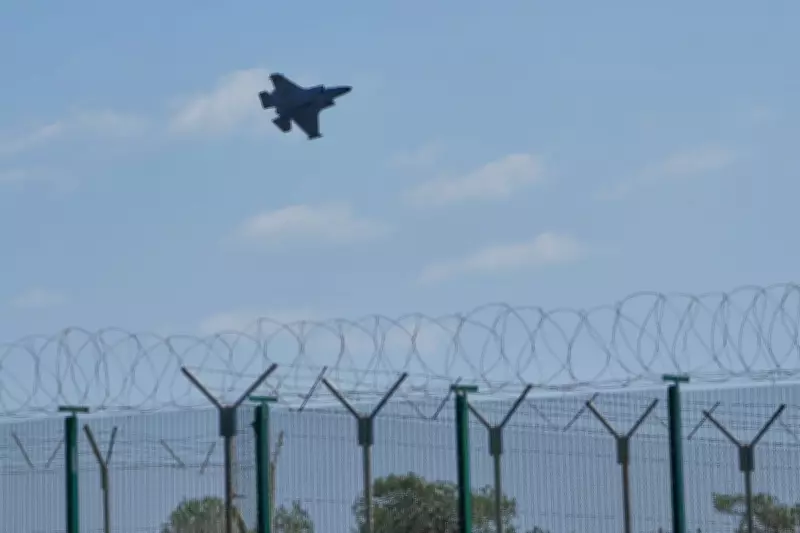
UK's Vulnerability to Low-Cost Drone Attacks Exposed as Defence Gaps Widen
While ballistic missiles fired from Iran would not reach the UK, a mere dozen low-cost drones could bring London to a standstill, according to defence analyst Francis Tusa. As Europe invests billions in land-to-air defence systems, Britain is increasingly seen as the most exposed nation on the continent, with critical vulnerabilities in its air and missile defence capabilities.
Scenario of a Drone Attack on London
Imagine a re-flagged cargo ship in the North Sea launching a dozen Shahed drones towards London. With no UK air defence radar monitoring that direction, the first alert comes from Dutch radar. Despite the drones' slow speed of 175 km/h, RAF Typhoons from RAF Coningsby in Lincolnshire fail to intercept them before they strike targets like Liverpool Street station during rush hour, a hospital, and electricity infrastructure. Casualties could number in the dozens, and drones costing under $50,000 each would cause widespread panic and halt the city.
This scenario might have seemed unrealistic years ago, but recent events suggest otherwise. For instance, a Russian ship recently launched a drone to surveil the French aircraft carrier Charles de Gaulle in Sweden, which was shot down by Swedish defences. Although unarmed this time, it highlights growing threats.

UK's Defence Underinvestment and Nuclear Reliance
There is growing concern over the UK's blasé attitude towards defence, particularly in land-to-air defence and surface-to-air missiles (SAMs). While Iran's current missiles cannot reach London from its territory, future modifications or developments could pose risks. A telling moment came when undersecretary for defence Al Carns implied that a missile strike on London might trigger a nuclear retaliation, a stance that raises questions about escalation and ally support within Nato.
The UK has announced an investment of up to £1 billion to enhance integrated air and missile defence, but this sum is spread over six to seven years and covers more than just air defence. Real spending is not expected until the mid-2030s, despite Nato warnings that threats could materialise this decade. With a headline defence budget of £62 billion, outputs remain weak outside the nuclear deterrent, leaving the UK defenceless against air, missile, and drone attacks.
European Investments Contrast with UK Inaction
Across Europe, nations are proactively upgrading defences. Sweden recently signed contracts worth over €1.5 billion for air defence weaponry and radar to counter drones and cruise missiles, focusing on critical infrastructure. Germany placed framework contracts for up to 600 Skyranger anti-air cannon systems, valued at €8 billion, to protect airports, airbases, and industrial sites. In 2025 alone, European contracts for anti-air defences exceeded €15 billion, with an emphasis on safeguarding national infrastructure.
In contrast, the UK relies on excuses, such as waiting for the delayed Defence Investment Plan (DIP), which is stalled in the Treasury. High demand for systems like the US Patriot SAM has extended lead times to over two years, complicating procurement. Moreover, reliance on Nato allies for defence is uncertain, as missile defence systems might not intercept threats aimed at the UK if they are not deemed a direct risk to the intercepting country.
Recent Incidents and Future Risks
Late last year, drone incursions around European airports and military bases in Denmark, Sweden, Norway, Germany, and the Netherlands raised alarms, with suspicions pointing to Russia. While unarmed, these drones scouted defences, providing hostile states with valuable intelligence. In the UK, Gatwick Airport experienced multiple drone incursions from 2019 to 2023, causing millions in disruptions, with origins remaining unclear but possibly linked to hostile actors.
Recently, a suspected Iranian-made Shahed-type drone crashed into RAF Akrotiri in Cyprus, highlighting vulnerabilities. A small drone attack could destroy 10% or more of the RAF's fighter strength in one hit, rendering the base defenceless.

Urgent Need for Strategic Action
Prime Minister Keir Starmer has engaged with Nato allies, but plans to reinforce Britain's infrastructure lack urgency. Some in the Labour Party advocate for "welfare, not warfare," echoing historical complacency, despite evidence of sabotage against European infrastructure like railways and energy networks.
The stark reality is that the UK's lack of investment in air and missile defences leaves the nation increasingly vulnerable. As Europe acts decisively, the UK emerges as the exposed man of the continent, with limited options against coordinated drone or missile strikes. Without urgent strategic action, the once-implausible scenario of inexpensive drones halting the UK could become a grim reality, especially amid escalating conflicts in the Middle East and Baltic tensions.
Francis Tusa is editor of 'Defence Analysis'.