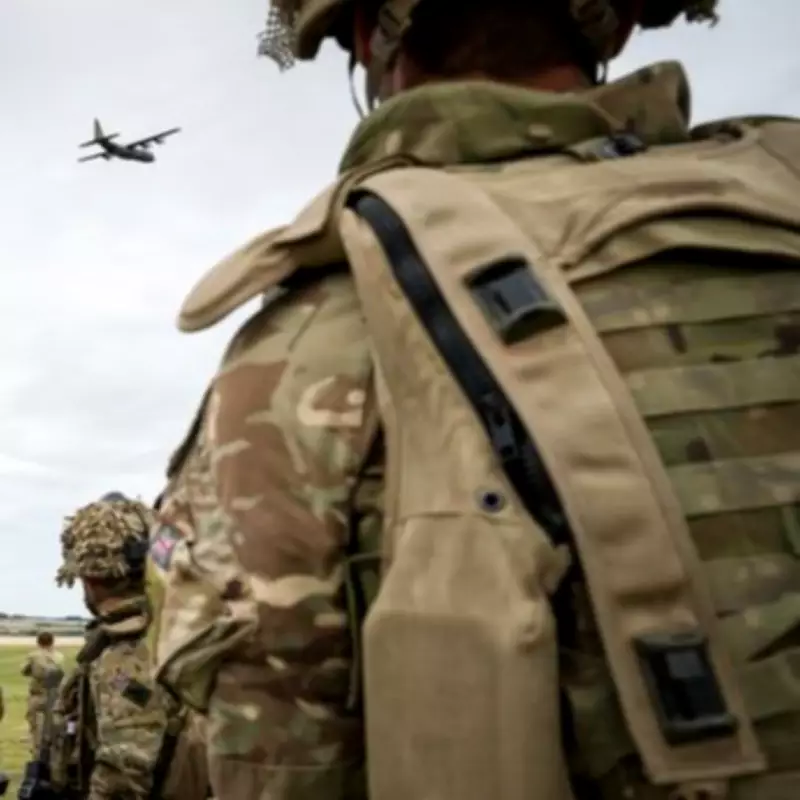
A thought-provoking viral video has triggered intense debate across social media platforms regarding how the United Kingdom would withstand a potential Third World War scenario, with commentators divided between traditional defensive strengths and modern technological vulnerabilities.
Geographical Fortress or Modern Target?
The TikTok clip, created by user @factosaurus_rex and viewed over 170,000 times, presents Britain as an "island fortress" that has historically proven difficult to invade. The video opens with a compelling statement: "Did you know why invading this country in Europe is nearly impossible? This is the United Kingdom, and history proves attacking it is a gamble most empires lose."
The analysis emphasizes how Britain's geographical isolation serves as a natural defensive barrier, unlike continental nations with extensive land borders. Hostile forces cannot simply march into UK territory undetected but must approach via sea or air, giving British defences crucial early warning advantages.

Historical Strengths Versus Contemporary Threats
The video argues that invading Britain means "fighting the sea, the skies, the terrain and a nation that has spent centuries preparing for invasion." It highlights continuous monitoring of UK shores and airspace as part of comprehensive protective measures.
However, viewers quickly countered that traditional defensive advantages offer little protection against modern warfare technologies. One commenter noted: "I am from the UK but I have to say this doesn't stop missiles, only invasions - which practically never happen any more as we are switching to intercontinental war. It won't stop nukes, missiles and other weapons."
Another user humorously added: "They better not touch my WiFi," highlighting concerns about cyber warfare vulnerabilities that represent an entirely different category of threat from conventional invasion scenarios.
Military Legacy and Current Capabilities
Supporters of Britain's defensive prospects pointed to the nation's military history and contemporary capabilities. One commenter explained: "There's a reason why the UK was one of the strongest empires for hundreds of years - because we are a tiny little island, so it's easy to defend. We trained the majority of armies around the world and we hold over 200 nuclear weapons. We also have the best navy in the world, so there's nothing to worry about."
This perspective reflects confidence in Britain's nuclear deterrent and naval superiority, though critics argue these traditional strengths may be less relevant in asymmetric conflicts involving cyber attacks, drone warfare, and other technological innovations.
Public Sentiment on Military Alliances
The viral debate coincides with growing public concern about defence policies and international military cooperation. Recent YouGov polling of 4,132 British adults reveals significant reservations about American military actions and UK involvement.
The survey found 49% of respondents oppose former US President Donald Trump's military actions against Iran, with only 28% expressing support. Furthermore, 50% reject allowing America to use Royal Air Force bases for launching strikes against Iranian targets, even if operations are limited to missile facilities.
Merely 32% support permitting US armed forces to operate from British installations, while 45% believe the UK should adopt a neutral position - neither praising nor condemning American actions in Iran. These findings suggest considerable public wariness about entanglement in potential international conflicts.
The ongoing discussion highlights how traditional notions of national defence are being reevaluated in an era of technological transformation, with Britain's island geography providing historical advantages that may be less significant against emerging threats like cyber warfare and long-range missile systems.