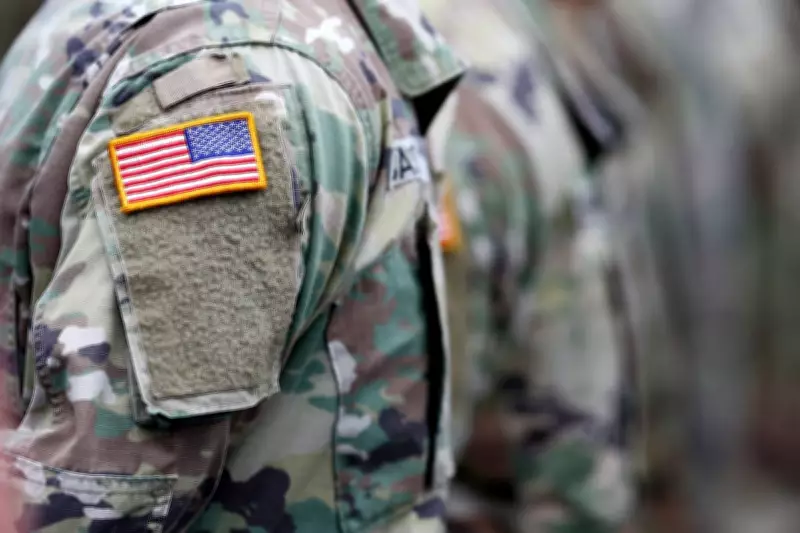
The United States Army has announced a significant shift in its enlistment policies, easing restrictions on marijuana use for potential recruits. This move is designed to broaden the pool of eligible candidates and tackle persistent recruitment shortfalls that have affected the military in recent years.
New Policy Details and Implementation
Under the revised guidelines, individuals with a history of marijuana use will no longer face automatic disqualification from enlisting. Previously, such use could bar applicants, but the Army now permits recruits to join if they disclose prior consumption and demonstrate a commitment to abstaining during service. The policy change, effective immediately, applies to all new enlistments and is part of a proactive strategy to modernize recruitment standards.
Recruitment Challenges and Strategic Adjustments
The decision comes amid ongoing struggles to meet recruitment targets, with the Army and other branches of the US military grappling with a competitive job market and shifting societal attitudes. By relaxing marijuana rules, officials aim to attract a more diverse and larger applicant base, particularly among younger demographics where cannabis use is more prevalent and often viewed as less stigmatized.

Army leaders have emphasized that this adjustment does not condone drug use but rather aligns enlistment criteria with contemporary norms. Recruits will still undergo rigorous screening and must adhere to strict anti-drug policies once in service, including random testing and zero-tolerance for use during active duty.
Broader Implications and Future Outlook
This policy revision reflects a broader trend within the US military to adapt to evolving legal and social landscapes, as marijuana legalization expands across states. It may set a precedent for other branches to reconsider their own enlistment standards, potentially leading to further reforms in military recruitment practices.
Experts suggest that while the change could help mitigate recruitment issues, its long-term impact on military readiness and discipline remains to be seen. The Army plans to monitor outcomes closely, adjusting policies as needed to ensure they support both recruitment goals and operational effectiveness.