US Bombers Arrive at UK Bases for Defensive Operations Against Iran
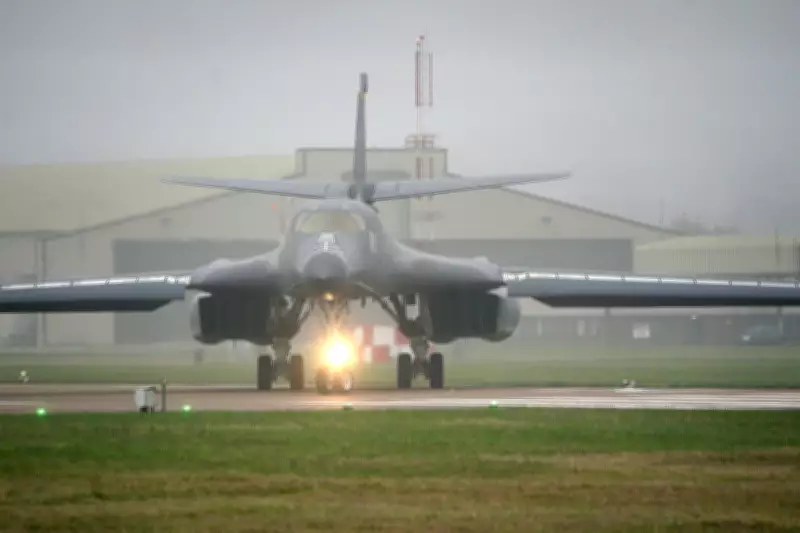
The United States has initiated the use of British military bases for what are described as "specific defensive operations" aimed at countering Iranian missile threats. This development follows the arrival of American B-1 Lancer bombers at RAF Fairford in Gloucestershire, marking a significant escalation in the ongoing regional conflict.
Bomber Deployments and Strategic Moves
The first 146-foot B-1 Lancer touched down at RAF Fairford on Friday evening, with three additional bombers arriving on Saturday morning. These deployments coincide with a stark warning from former US President Donald Trump, who declared on Truth Social that Iran would be "hit very hard" in the coming actions.
According to the Ministry of Defence, the US is utilising these UK bases to conduct defensive operations specifically designed to prevent Iran from launching missiles into the region, thereby mitigating risks to British lives. In support of these efforts, a Merlin helicopter has been dispatched to enhance aerial surveillance capabilities.

Meanwhile, RAF Typhoon and F-35 jets continue to conduct air operations over key areas including Jordan, Qatar, and Cyprus, underscoring the UK's active involvement in regional security measures.
Political and Legal Dimensions
Prime Minister Sir Keir Starmer has granted permission for the US to undertake defensive actions against Iranian missile sites from British bases. This decision follows careful consideration of legal frameworks, with Sir Keir emphasising the necessity of maintaining a "cool head" in crisis management.
However, the UK's role in the conflict remains under scrutiny. Deputy Prime Minister David Lammy has suggested that RAF jets could legally strike Iranian missile sites if they are used to attack British interests in the Middle East. Air Chief Marshal Sir Richard Knighton, Chief of the Defence Staff, indicated that the UK might engage in more proactive strikes as the situation evolves.
Criticism has emerged from political opponents, with Tory leader Kemi Badenoch accusing the Prime Minister of being "too scared to make foreign interventions" and asserting that the UK is inevitably involved in the war. These comments highlight the partisan tensions surrounding the government's response strategy.
Evacuation Efforts for British Nationals
Amid the escalating military actions, the UK government is actively coordinating evacuation efforts for British citizens trapped in the conflict zone. A second Government charter flight carrying evacuees from Oman landed at Gatwick Airport in the early hours of Saturday, with a third flight scheduled to depart from Muscat on Sunday.
Additionally, plans are underway to charter a commercial flight from the United Arab Emirates, departing from Dubai early next week, contingent on ground conditions. Eligibility for these flights extends to British nationals, along with their spouses, partners, and children under the age of 18.
These latest arrivals join over 9,000 Britons who have already returned from the UAE since widespread conflict erupted in the region. The evacuation operations underscore the humanitarian dimensions of the crisis, prioritising citizen safety amidst volatile circumstances.
Regional Reactions and Security Concerns
Iranian President Masoud Pezeshkian addressed the nation via state television, apologising to neighbouring countries for Tehran's attacks while firmly rejecting US demands for an unconditional surrender. This stance indicates a hardening of positions, potentially prolonging the conflict.
Security concerns have also impacted commercial aviation, with Emirates temporarily suspending all flights to and from Dubai following reports of blasts in the city. Services resumed approximately thirty minutes later, but the incident highlights the broader disruptions caused by the hostilities.
International alliances are being tested, as evidenced by Prime Minister Starmer's assurance to Saudi Arabia's de facto leader, Mohammed bin Salman, that the UK stands ready to assist in the kingdom's defence if necessary. This pledge aims to reinforce diplomatic ties and regional stability.

Military Preparedness and Criticisms
The UK's military response has faced criticism from allies, particularly regarding the defence of Cyprus, where a UK base was recently struck by a drone. In contrast to France and Greece, which have already deployed military assets to the island, the UK's air defence destroyer HMS Dragon is not expected to sail to the eastern Mediterranean until next week.
Officials explain that the delay is due to the need to equip the Type 45 destroyer for extended operations at sea, rather than rushing it into the region for a short-term deployment. This preparation reflects a strategic approach to sustained engagement, albeit one that has drawn scrutiny for its timing.
US Defence Secretary Pete Hegseth has warned that strikes are "about to surge dramatically," with plans for increased fighter squadrons, enhanced defensive capabilities, and more frequent bomber missions. This announcement signals an intensification of military efforts, with UK bases playing a pivotal role in these operations.
The convergence of bomber deployments, evacuation initiatives, and political debates underscores the multifaceted nature of the UK's involvement in the Iran conflict, balancing defensive actions with humanitarian and diplomatic responsibilities.