US Military Leader Declares Iran Campaign Progressing as Planned Amid Escalating Regional Conflict
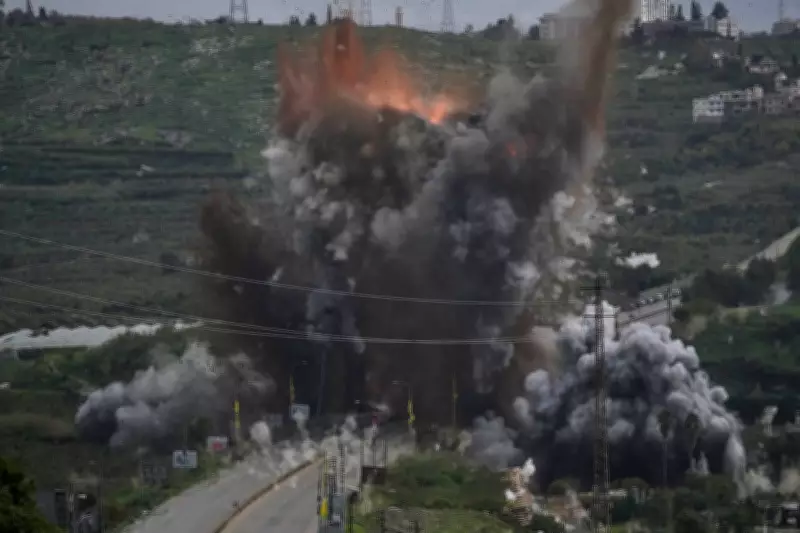
The senior commander of the United States military's Central Command has publicly stated that the ongoing campaign against Iran is currently "ahead or on plan," as regional hostilities intensify with significant military actions reported across the Middle East. This assessment comes concurrently with the Israeli military announcing the commencement of what it describes as "a wide-scale wave of strikes targeting Iranian terror regime infrastructure."
Exclusive Interview and Strategic Objectives
In a significant development, U.S. Navy Admiral Brad Cooper provided his first exclusive one-on-one interview of the conflict to the Farsi-language satellite network Iran International, which was broadcast early on Monday. During this interview, Admiral Cooper elaborated on the strategic aims of the military operations, emphasizing that the campaign extends beyond immediate threats.
"We're also going after the manufacturing," Cooper stated, highlighting efforts to target missile and drone production sites. "So it's not just about the threat today. We're eliminating the threat of the future, both in terms of the drones, the missiles, as well as the navy." He further noted that Iran's persistent attacks on Gulf Arab states and the broader Middle East region continue to endanger civilian populations.

Regional Escalation and Civilian Impact
The conflict has precipitated a series of missile attacks and defensive actions across the Gulf region, with multiple nations reporting incidents:
- An Indian resident in the United Arab Emirates sustained injuries from falling shrapnel following the interception of a ballistic missile over an industrial zone near Al Dhafra Air Base in Abu Dhabi.
- Saudi Arabia's Defense Ministry confirmed the interception of a ballistic missile aimed at the capital, Riyadh, while another projectile struck an uninhabited area.
- The United Arab Emirates reported that its air defense systems were actively engaging to intercept incoming missiles from Iran early Monday.
- Both Bahrain and Kuwait activated missile alerts in response to incoming Iranian fire, though immediate damage assessments remain unclear.
These developments follow a stark warning from Tehran the previous day, indicating potential retaliatory strikes against U.S. and Israeli energy and infrastructure assets. This threat was issued in response to former President Donald Trump's ultimatum, delivered via social media, that the U.S. would "obliterate" Iran's power plants if it did not fully open the Strait of Hormuz. Trump, facing domestic pressure to secure the strait amid soaring oil prices, made this statement from his Florida residence over the weekend.
Humanitarian Toll and Displacement
The human cost of the conflict continues to rise dramatically, with current casualty figures indicating:
- Over 1,500 fatalities in Iran
- More than 1,000 deaths in Lebanon
- 15 casualties in Israel
- 13 U.S. military personnel killed
- Numerous civilian casualties on land and sea throughout the Gulf region
Additionally, millions of residents in Lebanon and Iran have been displaced from their homes, creating a significant humanitarian crisis. Iranian media has reported new airstrikes targeting Tehran, though specific sites affected have not been publicly identified.
Public Safety and Political Dynamics
Addressing the Iranian populace, Admiral Cooper advised against public demonstrations at this juncture, despite both Israeli and U.S. expressions of hope that the strikes might galvanize public opposition to the Iranian theocracy. "They're launching missiles and drones from populated areas and you need to stay inside for right now," Cooper cautioned. "There will be a clear signal at some point, as the president has indicated, for you to be able to come out."
The situation remains fluid, with military operations ongoing and diplomatic tensions at a critical peak. The international community continues to monitor developments closely as the conflict shows no immediate signs of de-escalation.